
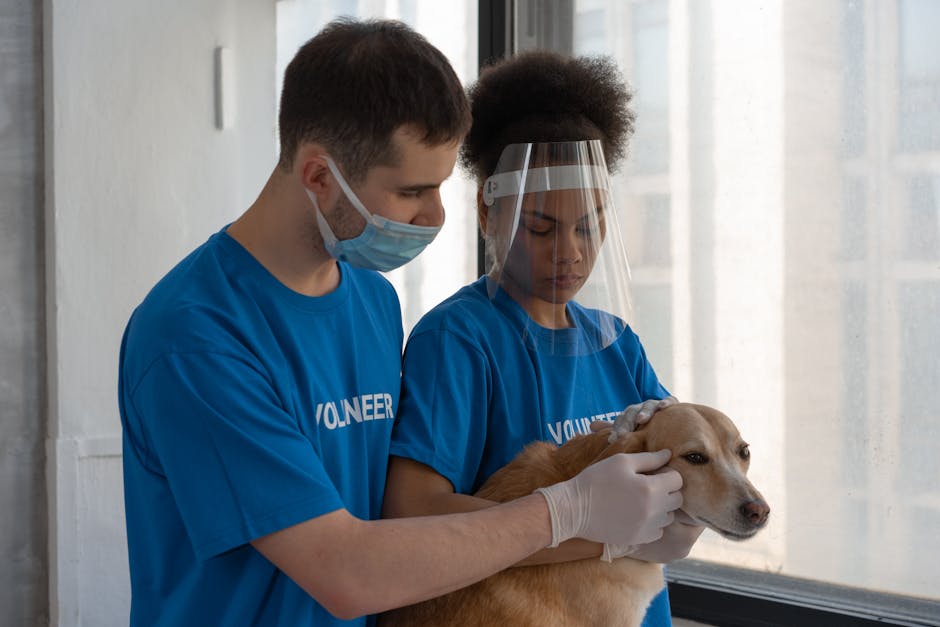
Volunteers are the heart of animal shelters, providing care, love, and skills that help shelters save more lives.Volunteers play a vital role in animal shelters – from walking dogs and socializing cats to fundraising and administrative support. However, finding and keeping dedicated volunteers can be challenging. This comprehensive guide outlines how animal shelters can recruit volunteers both online and offline, engage various demographic groups, leverage the best recruitment platforms, craft appealing volunteer roles, build community partnerships, onboard new volunteers effectively, retain and appreciate those volunteers, address legal considerations, and learn from real-life success stories. The tone here is professional yet encouraging, aimed at shelter directors, volunteer coordinators, and nonprofit staff looking for practical, solution-focused advice on growing a thriving volunteer program.
Before diving into recruitment strategies, make sure your organization is ready to welcome volunteers. Assess your shelter’s needs and create clear volunteer roles before you start recruiting. Prepare a simple volunteer recruitment packet (flyer, brochure or webpage) that answers “What’s in it for me?” for potential volunteers. This should briefly introduce your mission, list volunteer opportunities with benefits, and explain how to get involved. Also develop a basic volunteer handbook or training packet with your policies, role descriptions, and a volunteer agreement or waiver form. Investing time in planning and materials will ensure you attract the right volunteers and give them a good experience from day one. Once you have the groundwork laid, you’re ready to start recruiting those helping hands!
Online Volunteer Recruitment Strategies
In today’s digital age, much of your volunteer recruitment will happen online. Start by making sure your own website and social media clearly promote volunteer opportunities. Dedicate a page on your shelter’s website to volunteering – include current volunteer roles, time commitments, and an easy way to sign up or contact your volunteer coordinator. Don’t be shy about asking! Most people volunteer simply because they were asked or inspired by a clear call to action. Craft an enticing message that shows your shelter’s personality, highlights how volunteers make a difference, and invites people to join (include a prominent “Volunteer Now” button or link). Tailor your tone to your audience – for example, a fun, energetic appeal might attract students, whereas professionals might respond to a message emphasizing impact and skill-building.
Use multiple online channels to widen your reach. Post volunteer openings on popular volunteer-matching websites like VolunteerMatch and Idealist, which allow nonprofits to list opportunities at no cost. These platforms act as online “job boards” for volunteers and can significantly widen your net for finding people with specific skills or availability. In fact, many shelters report great success recruiting volunteers through VolunteerMatch and Idealist for roles ranging from dog walking to remote administrative help. Don’t overlook general community forums like Craigslist and Nextdoor, where a simple post about needing volunteers can attract locals.
Leverage social media to spread the word. Regularly share posts on your shelter’s Facebook, Instagram, and Twitter (or other platforms popular in your area) highlighting volunteer needs – for example, a post saying “We’re looking for cat cuddlers and dog walkers – join our volunteer team!” along with adorable animal photos. Target these posts to reach new audiences by asking supporters to share them and using relevant local hashtags. Some organizations even boost important volunteer recruitment posts as ads to reach more people. On LinkedIn, you can advertise skilled volunteer positions (like grant writing or marketing help) to professionals who might be interested in donating their expertise. And don’t forget email: include volunteer calls-to-action in your email newsletters to supporters, and consider sending a dedicated volunteer recruitment email with a compelling subject line, a brief description of how volunteers help your mission, the benefits of volunteering, and a clear sign-up link. Using a multichannel approach ensures you’ll catch the attention of different segments of the community wherever they are online.
An example of how to structure a volunteer recruitment email to engage and retain volunteers. Clear calls to action, highlighting benefits, and sharing the impact can motivate readers to get involved.
Another effective online strategy is to tap into your existing supporters. Encourage your followers and donors to spread the message. For instance, ask adopters to consider volunteering – one shelter found that introducing a brief chat about their mission and volunteer opportunities during pet adoption meet-and-greets led to new volunteers signing up once the excitement of the new pet settled down. You can also host virtual info sessions or Q&As (via Facebook Live, Zoom, etc.) where interested folks can learn about volunteering from the comfort of home. Additionally, consider running a short Google Ads campaign (using Google’s Ad Grants for nonprofits, if eligible) targeting people searching for “animal shelter volunteer [Your City]” – this can direct more local traffic to your volunteer webpage.
Offline Volunteer Recruitment Strategies
While online tools are powerful, offline recruitment remains equally important – especially for reaching people who may not be active online or who respond better to personal touches. One tried-and-true method is word-of-mouthrecruitment. Most volunteers sign up because someone asked them, so activate your network to ask on your behalf. Invite your current volunteers to “bring a friend” when they come to volunteer or to special events. You might even organize a “Volunteer Bring-a-Friend Day” with fun team activities or refreshments to make it social. Board members and staff can help too: ask them to reach out to friends, family, and colleagues who love animals and personally invite them to get involved. When your passionate insiders spread the word, it lends credibility and enthusiasm that inspires others to step forward.
Community bulletin boards and flyers are another low-cost, effective offline tool. Design a simple, eye-catching poster or flyer advertising your shelter’s volunteer opportunities. Use a bold headline like “Animal Lovers Wanted: Volunteer with Us!” and include a touching animal photo (a picture is worth a thousand words). List a few specific volunteer roles or tasks (e.g. dog walking, cat socialization, event help) so people envision how they could help. Keep text minimal but do mention the benefits of volunteering (such as “Make a difference for homeless pets, meet fellow animal lovers, and gain rewarding experience”). Be sure to provide clear contact info or a link/QR code to your volunteer sign-up. Then distribute your flyers/posters widely around town – veterinary clinics, pet supply stores, grocery stores, libraries, coffee shops, community centers, and places of worship are all great spots to reach pet lovers and civic-minded folks. Local high schools and colleges often have bulletin boards for community opportunities as well, and gyms or break rooms of large employers might allow postings too. The key is visibility: even the best flyer won’t work if no one sees it, so get them out there generously!
Local media and community outreach can amplify your message beyond your immediate network. Take advantage of any free or low-cost publicity: send a short press release or human-interest story to local newspapers about a volunteer who’s making a difference at your shelter, and include a note that “we’re always looking for more volunteers”. Many community newspapers or newsletters have a section for volunteer opportunities – contact them to get listed. Radio can help too: reach out to local radio stations to see if they’ll run a public service announcement (PSA) about your need for volunteers. A 30-second PSA inviting people to help at the shelter can reach folks who might not see your Facebook post. You might even get a slot on a local talk show or morning news segment to talk about your shelter’s work and volunteer needs. Don’t forget local cable access TV or community bulletin boards on TV – they often list nonprofit announcements.
Also, go where the volunteers are in person. Participate in community events like pet fairs, farmer’s markets, or festivals by setting up an information table about your shelter. Use these “recruitment days” to chat with attendees about what volunteers do and how to sign up. Bring adoptable animals if possible (nothing draws a crowd like puppies or kittens) and have a signup sheet for anyone interested. Partner with malls or big stores for an adoption-and-volunteer drive event. You can also offer to speak at local clubs or organizations – civic groups (Rotary, Lions, Kiwanis), parent-teacher associations, neighborhood associations, etc., are often looking for speakers and are full of community-minded individuals. A short, passionate presentation about your shelter’s mission and volunteer opportunities can inspire audience members to get involved. In all offline efforts, remember to ask directly and passionately – your genuine invitation and excitement for your cause are your best selling points.
Tips to encourage word-of-mouth referrals: make volunteering social, family-friendly, and easy to join. “Bring-a-Friend” events, team volunteering opportunities, and active sharing by supporters can significantly boost your volunteer numbers.
Engaging Different Demographics: Students, Seniors, Corporate Groups and More
Your volunteer force will be strongest when it includes people from all walks of life. Different demographics bring different skills, availability, and perspectives. Here’s how to reach and engage a few key groups:
- Students and Youth: Young people often have energy and passion for helping animals. To attract high school and college students, connect with schools and youth programs. Offer service-learning or internship opportunities that allow students to earn credit or fulfill community service hours through volunteering at your shelter. Advertise roles that might appeal to youth, like “Junior Volunteer” programs, after-school or weekend shifts, or group projects (e.g. an Eagle Scout project building dog beds). Use platforms that students use – for example, post volunteer openings on school job boards, and share on Instagram or TikTok if you have those channels. Emphasize how volunteering can help students gain experience (great for resumes/college applications) and make a real impact. If you have age restrictions (many shelters require volunteers to be 16+ or accompanied by a parent if younger), consider creating family volunteer days or projects so that younger animal lovers can participate alongside a parent or mentor. Some shelters partner with Scout troops or youth clubs on one-day projects, which is a win-win for everyone.
- Seniors and Retirees: Seniors can be amazing volunteers – they often have flexible schedules, a wealth of experience, and a strong dedication to giving back. To engage older adults, reach out through senior centers, retiree clubs, and communities like AARP. Highlight roles that might suit their interests and physical abilities; for example, some seniors might love being a front-desk greeter or adoption counselor (utilizing their people skills), while others are eager to get outside and walk dogs for exercise. Be mindful of any physical limitations and offer options like helping with phone calls, data entry, or foster caregiving of adult cats – roles that aren’t too strenuous. Emphasize the social benefits of volunteering to this group: it’s a chance to meet others and stay active while helping animals. Partnering with AmeriCorps Seniors (Retired Senior Volunteer Program) or local senior volunteer organizations can funnel interested retirees your way. And consider daytime volunteer shifts or projects, since many retirees are available during typical work hours when younger volunteers may be in class or jobs. By tapping into “the wealth of experience, skills, and available time that retirees can contribute,” you can gain some of your most reliable volunteers.
- Corporate Groups and Working Professionals: Many companies encourage community service, and their employees can become great volunteers or project-based helpers. Approach local businesses (especially those with CSR – Corporate Social Responsibility – programs) to discuss opportunities for their staff to volunteer. One approach is organizing “Day of Service” events or corporate volunteer days where a team of employees spends a day at your shelter helping with tasks like painting kennels, cleaning, or running a donation drive. This not only gets a lot of work done at once but also introduces new people to your shelter – some of those employees might enjoy the experience so much that they come back individually. You can also advertise group activities like a weekend shelter clean-up or a dog-walking day for corporate teams. Some shelters have even developed creative programs for companies, such as “Yappy Hour” team events (clean the shelter for an hour, then enjoy playtime with puppies as a fun reward) or “Hike with Shelter Dogs” as a team-building outing – which businesses may sponsor as a donation. For individual professionals, emphasize opportunities to use their skills: e.g., a marketing professional could help with your social media or a lawyer might assist with legal paperwork. Partnering with companies can introduce you to volunteers with valuable professional skills, experience, and community connections. Plus, those companies may provide financial support or in-kind donations when they see their employees engaged with your shelter. Don’t forget to utilize LinkedIn – both for posting volunteer needs (especially skilled roles) and for networking with corporate volunteer coordinators.
- Community, Faith, and Civic Groups: Broaden your reach by engaging organized groups in your community. Churches, synagogues, mosques, and other faith communities often have service committees or youth groups that do volunteer work – contact these organizations to suggest a volunteer day or to present your needs to their members. Civic groups like Rotary Clubs, Lions Clubs, and Junior Leagues have community service built into their mission; ask if you can speak at a meeting or if the club might “adopt” a project at your shelter. Youth organizations (like Girl/Boy Scouts, 4-H, etc.) might be interested in specific projects or badge-earning activities at the shelter. By forming these partnerships, you not only gain volunteers but also strengthen your shelter’s ties to the community. Each of these groups can become an ongoing pipeline of support once they’ve had a positive experience with your organization.
- “Volunteers with Skills” (Every Demographic): No matter their age or background, many volunteers have special skills that can benefit your shelter beyond the usual animal-care tasks. Make it known that you welcome skilled volunteers – whether it’s photographers to take great pictures of adoptable pets, handy people to do repairs, tech-savvy folks to help with your website, or event planners to assist with fundraisers. Think outside the box: perhaps a volunteer could lead dog training classes or start a grant-writing team. In one case, a shelter enlisted a volunteer with grant writing skills and secured a $50,000 grant thanks to that volunteer’s efforts. The more varied and meaningful the opportunities you offer, the more types of people you’ll attract. Share these stories of impactful volunteer contributions to inspire others (e.g., “Volunteer Bob updated our database saving staff countless hours – you could be our next hero!”).
Best Platforms and Tools for Finding Volunteers
Knowing where to look for volunteers is half the battle. Here are some of the best platforms and tools to aid your search and streamline recruitment:
- Volunteer Matching Websites: We’ve mentioned a couple already – VolunteerMatch (volunteermatch.org) is one of the largest volunteer listing sites and is highly popular for nonprofits and volunteers alike. Idealist(idealist.org) is another major platform where you can post volunteer opportunities (along with jobs and internships). These platforms let you target listings by location and cause (e.g. “animals”) so animal lovers in your area can find you. They’re free for 501(c)(3) nonprofits to use. As shared by one volunteer coordinator, VolunteerMatch “really helped widen our net” to find volunteers, even for remote roles that can be done from anywhere. Posting on multiple sites increases your visibility. Other sites to consider: All for Good (linked with the Points of Light network), CreateTheGood (AARP’s volunteer site for seniors), and local volunteer center websites if your city has one. Even posting on Eventbrite (for volunteer orientations or volunteer events) and Meetup (to host volunteer info sessions) can attract volunteers through those networks.
- Social Media & Community Apps: Facebook isn’t just for promotion – it also has built-in tools like Facebook Groups where volunteer opportunities can be shared. Look for local “volunteer network” groups or neighborhood groups and post your needs there. Instagram can be used to post a striking image of a volunteer with an animal and a caption that calls for more volunteers (use local hashtags like #YourCityVolunteers). Twitter can get the word out for timely or urgent needs (“We need extra hands this weekend at our adoption event!”). Nextdoor is a neighborhood-focused app where you can post community announcements; it’s great for reaching nearby residents. Also consider Reddit if there’s a subreddit for your city or for animal lovers – a heartfelt call for volunteers can get upvoted and spread. Just be sure in all posts to link back to your website or provide contact info so people know how to sign up.
- Corporate and University Platforms: For corporate volunteers, find out if local companies use any internal tools for employee volunteering (for example, platforms like Benevity, CauseCast, or YourCause). If so, get your opportunities listed there. For colleges, use their career services or student engagement platforms – many universities have an online system where nonprofits can list volunteer or service opportunities for students. Additionally, handshake (joinhandshake.com) is a platform connecting employers (including nonprofits) with college students; while it’s more job-focused, some nonprofits use it for interns or volunteers.
- Volunteer Management Software: As your volunteer program grows, consider using a volunteer management system (VMS) to organize recruitment and scheduling. Tools like Better Impact, Volgistics, Galaxy Digital’s Get Connected, or Civic Champs can help manage sign-ups, track volunteer hours, and even post opportunities to a portal that volunteers can browse. These systems often allow volunteers to create profiles, self-schedule for shifts, and automatically match them to roles based on interests. They can also streamline communication with volunteers (sending reminders, updates) and collect applications or waivers digitally. While there is usually a cost for such software, they save a lot of administrative time and can improve the volunteer experience, which ultimately helps with recruitment and retention. If a full software system isn’t feasible, even using simpler tools like Google Forms (for applications), SignUpGenius (for scheduling shifts), or a Facebook private group (for communications) can be effective “tools” to manage your volunteers and keep them engaged.
- Communication & Networking Tools: Don’t forget general tools that help spread the word. An email marketing service (MailChimp, Constant Contact, etc.) is useful to send polished volunteer newsletters or announcements to your mailing list. Communication apps like Slack or WhatsApp can create a sense of community among volunteers (for example, a Slack channel where you post urgent needs and volunteers can respond quickly). Additionally, make use of templates and resources available online: many organizations share their volunteer recruitment flyers, orientation checklists, and training manuals. You don’t have to reinvent the wheel – adapt those resources to your needs. For instance, Best Friends Animal Society provides sample volunteer agreements and foster care agreements that shelters can use as a starting point. Utilizing these tools and resources can significantly enhance how you find and manage your volunteers.
Crafting Appealing Volunteer Opportunities & Role Descriptions
To attract volunteers, it’s crucial to create roles that people actually want to do and describe them in a way that sparks interest. Start by identifying all the different tasks and projects where you need help (from animal care to office work to events). Then, package those tasks into well-defined volunteer positions rather than asking for generic “help with anything.” Volunteers are more likely to sign up when they have a clear idea of what they’ll do and how it contributes to the cause.
Write volunteer role descriptions that are clear, concise, and inspiring. Each role description should have: a role title, a short summary of its purpose, a list of key tasks, the expected time commitment (e.g. “2 hours/week for at least 3 months”), any required skills or training, and the benefits or impact of the role. For example, instead of “Volunteer needed for cats,” say “Cat Enrichment Volunteer – 2 hrs/week: Help our cats stay happy and healthy by providing play, socialization, and a tidy living space. You’ll spend time one-on-one with shelter cats, enriching their environment and grooming or petting them to reduce stress. Impact: Your attention improves each cat’s well-being and adoptability!” This description makes the role’s purpose clear and appealing. Always answer the volunteer’s unspoken question: “Why does this matter and what do I get out of it?” Highlight how the work connects to your mission (“making a difference for homeless pets”) and any personal benefits (“learn animal handling skills, join a community of animal lovers, make a direct impact”).
When creating opportunities, offer a variety to suit different interests and schedules. Some volunteers love hands-on animal care; others might prefer behind-the-scenes tasks. Include roles with different commitment levels: from one-time or short-term opportunities (e.g. helping at a weekend adoption event, or a “Day Foster” taking a dog on an outing) to regular weekly shifts. Consider “micro-volunteering” projects for people who are very busy – like asking for help with a specific research task or crafting cat toys from home. The more flexible and accessible your opportunities, the more people you can attract. One great idea is to allow virtual volunteering for certain tasks (like data entry, grant research, graphic design for flyers) so that people who can’t be on-site can still contribute. This not only taps into new volunteer pools (folks with physical limitations, or who live a bit far) but also shows you’re a modern, adaptable organization.
Make sure your opportunity listings (on your site or on volunteer platforms) use inviting language and visuals. Use active, positive wording (e.g. “Join our team to help dogs find homes” rather than “Volunteers needed for kennel cleaning”). If possible, include a happy photo of a volunteer with an animal for each role – seeing the human-animal interaction can draw people in emotionally. Keep the tone upbeat and appreciative: e.g. “Our volunteers are heroes to our animals – and we’d love you to be a hero too!” And of course, double-check that contact information or application links work and are easy to find. A frustrating sign-up process can turn interested people away, so make it as easy as possible to volunteer (you can always collect more info during orientation or training).
Lastly, as part of an appealing role, ensure you mention what training and support you will provide. People may hesitate to volunteer if they fear they’ll be thrown into a task without guidance. So explicitly state that “All volunteers receive training and a handbook – you’ll have staff and experienced volunteers showing you the ropes”. Knowing they will be supported gives new volunteers confidence to sign up. By thoughtfully designing volunteer opportunities and describing them well, you’ll not only attract more volunteers but also attract the right volunteers – those whose interests and expectations match your needs, leading to a more rewarding experience for both sides.
Community Partnerships and Outreach Ideas
Building partnerships in your community can multiply your volunteer recruitment efforts. By collaborating with other organizations, schools, and businesses, you tap into new audiences of potential volunteers and allies. Here are some outreach and partnership ideas to consider:
- Partner with Local Schools and Colleges: As mentioned earlier, working with educational institutions is a win-win. You can develop a formal service-learning program with a nearby college, where students volunteer as part of a course or program credit. High schools might have a community service requirement for graduation – provide them with a structured opportunity (like a certain number of volunteer hours at your shelter) and you’ll gain a steady stream of teen volunteers each semester. Attend school volunteer fairs or career days to showcase volunteer options at your shelter. You could also start a campus chapter or club for your shelter at a local college – students in the club can volunteer regularly and recruit their peers.
- Corporate and Business Partnerships: Beyond just recruiting employee volunteers, think about deeper partnerships with businesses. For instance, a local pet supply store might let you set up a monthly info booth or adoption day where you also recruit volunteers. Some veterinary clinics or dog groomers could keep a stack of your volunteer flyers in their lobby. Corporate sponsors can be invited to have their employees volunteer at big events (like a mega adoption fair) wearing co-branded t-shirts – it’s team-building for them and labor for you. You can also ask companies to feature your volunteer needs in their internal newsletter or bulletin board. Many large companies have internal volunteer coordinators or committees; send them a friendly outreach about opportunities for their staff to help animals. Even hosting a “Lunch and Learn” at a company office, where you bring in a few cute adoptable animals and talk about volunteering, can spark interest among employees on their lunch break.
- Other Nonprofits and Civic Groups: Form alliances with organizations that have compatible missions. For example, a local wildlife rescue or therapy dog group might co-host a volunteer orientation with you – someone who comes to volunteer with one might end up interested in both. Humane societies can partner with animal welfare clubs or 4-H groups that focus on animals. Civic organizations like the Junior League might choose your shelter as the beneficiary of their volunteer year, supplying a crew of helpers. Government entities, like a city’s volunteer program or a community service office, can also steer volunteers your way if they know about your needs. Always be on the lookout for mutually beneficial partnerships – ask yourself “Who else in our community cares about animals or community service?” and reach out to them.
- Volunteer Fairs and Community Days: Keep an eye out for volunteer expos or community days in your region. These are often organized by volunteer centers, United Way, or city councils. By participating, you get to meet potential volunteers face-to-face. Prepare a nice display with photos of happy volunteers working with animals, have a sign-up sheet or QR code ready, and maybe a short handout about ways to volunteer. Having an enthusiastic current volunteer or two with you at the booth (and maybe a well-behaved pup!) can attract people and authentically answer their questions. Some shelters even organize their own “open house” or Volunteer Orientation Day and publicize it community-wide – inviting anyone interested to come for a tour, a presentation about volunteering, and on-the-spot signups.
- Leverage Local Media Personalities: If you have a friendly relationship with any local journalists, radio hosts, or bloggers, enlist their help. A popular local blogger might love to do a feature on “Volunteering at the Animal Shelter” after spending a day behind the scenes – essentially giving you great publicity. Local TV news often has feel-good segments where they could mention that your shelter is seeking volunteers (especially if tied to a story, like an upcoming event or an increase in animals needing care).
- Faith-Based and Community Service Days: Many faith communities have specific days of service (for example, some churches do an annual volunteer day where members go out into the community). Get on the list for those events so a team might come to your shelter for that day. Offer projects suitable for groups – cleaning, organizing donated supplies, making enrichment toys, etc. Even though these might be one-off helpers, treat them well and they might come back individually or make it a recurring partnership.
The overarching idea is to embed your volunteer opportunities into the community’s consciousness. When multiple channels – schools, businesses, clubs, media – are all talking about helping at your shelter, volunteering starts to seem like the thing to do and you’ll see your ranks grow. Remember to always reciprocate appreciation to partners: a thank-you letter, social media shout-out, or inviting them to an appreciation event goes a long way in sustaining these relationships.
Volunteer Orientation and Onboarding Tips
So you’ve piqued people’s interest and they’ve signed up – congratulations! The next crucial step is to welcome and onboard new volunteers effectively. A smooth orientation and onboarding process sets the tone for a positive volunteer experience and can significantly impact whether someone becomes a long-term volunteer or drifts away.
Hold regular volunteer orientation sessions. Many shelters find it efficient to host orientations on a set schedule, say monthly or bi-weekly, so you can introduce a batch of new volunteers all at once. Orientations can be virtual (via video conference) or in-person, or both (perhaps an online webinar for basics, followed by an in-person tour). In these sessions, cover the essentials: an introduction to your organization’s history, mission, and values; an overview of your programs and how volunteers contribute; descriptions of the various volunteer roles available; and the basic policies/procedures volunteers need to know. It’s also great to have a couple of current volunteers or key staff introduce themselves – this helps newbies start feeling like part of the team. Encourage questions during orientation; an open Q&A helps address any uncertainties upfront.
A facility tour is a valuable part of orientation if on-site – walking new volunteers through the shelter (or showing photos/videos in a virtual orientation) helps them become familiar with the environment and see where they might be working. Be sure to point out important locations (animal housing areas, cleaning supplies, first aid kit, sign-in area, etc.) and introduce staff members along the way if possible. Some shelters also hand out (or email) a volunteer handbook at orientation, covering detailed policies, safety guidelines, a map of the facility, contact information, and an outline of the training process for specific roles.
After the general orientation, it’s important to get new volunteers plugged into a role quickly while their enthusiasm is high. Wherever feasible, follow up promptly to schedule each new volunteer’s first shift or training session in their area of interest. A best practice is to require (or strongly encourage) a one-on-one or small-group training for the specific role they’ll do, led by a staff member or experienced volunteer. For example, a new cat care volunteer might come in for a 1-hour training shift where they learn how to properly handle cats, clean cages, log any notes, etc. During training, encourage them to ask questions; emphasize that no question is stupid and you’re there to help them succeed.
Pairing newbies with a volunteer “buddy” or mentor can also smooth the onboarding. The first few shifts can be overwhelming, so having a friendly veteran volunteer to guide them and provide tips is immensely helpful. One rescue group noted that new volunteers often need a lot of hand-holding initially, and meeting them in person as soon as possible – rather than just exchanging emails – makes a big difference in keeping them engaged. So, personally introduce new volunteers to others on their first day, show them where to sign in, and perhaps give them a small starter task to ease in (like shadowing someone or helping with an easier job) before expecting them to handle duties solo.
Throughout onboarding, set clear expectations and communicate them both verbally and in writing. Provide role descriptions or checklists for their tasks so they know exactly what to do and whom to ask if unsure. Make sure they understand important policies like safety procedures or confidentiality rules (if any). Have them sign any necessary forms, including a volunteer agreement and liability release if you haven’t already, and for minors, ensure you have parent consent on file.
Lastly, make new volunteers feel welcomed and appreciated from day one. Little gestures count: have a name tag ready for them, or a welcome kit (maybe a t-shirt or a simple thank-you card). Encourage staff to greet and welcome new volunteers – a culture of warmth and inclusion goes a long way in volunteer satisfaction. One expert suggests following the 10-4 rule: if a staff member is within 10 feet of a volunteer, make eye contact and smile; within 4 feet, say hello or give a quick word of thanks. This kind of positive recognition early on helps volunteers feel comfortable and valued. Also, provide a channel for feedback or questions – let new volunteers know who they can contact if they run into any issues or if they have suggestions. Some shelters even set up a brief check-in after a volunteer’s first month to ask how things are going. By giving new recruits a strong start with good orientation, training, and support, you set the foundation for a long and happy volunteer journey.
Volunteer Retention and Appreciation Techniques
Recruiting volunteers is only half the challenge – keeping them engaged and committed is equally important. Volunteer retention starts with a positive experience (hence the emphasis on good onboarding above) and continues with ongoing management and appreciation. Here are some strategies to turn first-time volunteers into long-term, passionate supporters:
Provide a Great Volunteer Experience: This may sound obvious, but the best way to retain volunteers is to ensure their time with you is rewarding, meaningful, and well-organized. Volunteers want to feel useful and see the impact of their work. Make sure they have productive tasks to do when they come in – few things are more demoralizing than a volunteer arriving to chaos or having nothing prepared for them. As one volunteer manager put it, “Just being organized shows that you appreciate people’s time.” Having clear schedules, adequate supplies, and a plan for volunteers each day demonstrates respect. Additionally, try to match volunteers to roles that fit their interests and skills whenever possible (after they’ve completed any required cross-training). An engaged volunteer is one who feels utilized – e.g., the cat lover gets to socialize cats, the handy person gets to build those playpens. Periodically ask volunteers if they’d like to try new roles or take on more responsibility if appropriate; some may be eager to grow and take on leadership, which benefits you both.
Build Community and Camaraderie: People often stay where they have friends and a sense of belonging. Foster a welcoming, team-like atmosphere among your volunteers. Encourage social interaction – even simple things like providing a space for volunteers to take breaks together or hosting occasional “volunteer socials” (a pizza party, ice cream social, etc.) can strengthen relationships. Some shelters create a private Facebook Group or group chat for volunteers to share updates, cute animal photos, and success stories, which helps everyone feel part of a community. Also facilitate connection between staff and volunteers: volunteers feel more invested when staff acknowledge them as part of the team, not just free labor. Little actions, like staff learning volunteers’ names, or a manager taking a few minutes to chat with volunteers, make a huge difference. One shelter leader suggests a mentality shift: “We are in the people business, not just the animal business” – meaning that caring for your volunteers (people) enables them to better care for the animals. By nurturing positive relationships, you increase loyalty and retention.
Training, Development, and Feedback: Keep your volunteers well-trained and informed. Continue offering refreshers or new training sessions so volunteers can improve their skills or learn something new (for example, a workshop on dog behavior, or a session on safe animal handling). Not only does this help your shelter maintain high standards, but volunteers appreciate the chance to grow. In fact, providing advanced training can be a form of recognition for top volunteers – for instance, one shelter brought in a professional dog training program and invited their most experienced volunteer dog-walkers to participate alongside staff as a perk. Volunteers feel valued when you invest in their development.
Also, listen to volunteer feedback and ideas. Create avenues for two-way communication – maybe a quarterly volunteer meeting or a suggestion box (physical or digital). Some organizations institute a “coffee with the director” chat, monthly or quarterly, where volunteers can share their experiences and suggestions directly with leadership in an informal setting. When volunteers know their voices are heard, they feel ownership in the program. Plus, they may offer great ideas to improve operations or events that you wouldn’t have thought of! If changes are made due to volunteer input, acknowledge that (“Thanks to volunteer suggestions, we’re now doing X differently.”). This encourages more engagement and loyalty.
Recognition and Appreciation: Never underestimate the power of a sincere “Thank you.” Simple, genuine appreciation should be frequent and woven into your culture – a few words of praise after a shift, a thank-you email, or a mention of appreciation in the volunteer newsletter costs nothing and means a lot. Beyond daily gratitude, implement some formal recognition to celebrate your volunteers. Many shelters do an annual volunteer appreciation event or party (around National Volunteer Week in April, for example). This could be a casual potluck, a brunch, or an award ceremony – whatever fits your style and budget. Some give out fun awards (like “Dog’s Best Friend Award” for the top dog-walker, etc.) or small tokens of appreciation (pins, certificates, shelter merch, etc.). Public recognition is great too: highlight star volunteers in your newsletter or on social media (with their permission), or on a “Volunteer of the Month” bulletin board.
However, appreciation isn’t one-size-fits-all. Different volunteers value different things. Some love public recognition and awards, while others might be more motivated by trust and responsibility (like being given a lead role). For some, social opportunities and inclusion are the best reward. Try to know your volunteers and tailor appreciation when you can. For example, a teenager might love a letter of recommendation or a leadership title for their resume, whereas a retiree might simply enjoy a heartfelt card from staff or a photo of them with their favorite shelter pet. One insightful point from experts is that running a well-structured program itself is a form of appreciation. When volunteers see that the program is organized, that their time isn’t wasted, and that the shelter takes volunteering seriously, they feel respected. So, ensuring good management and communication is actually a way to show you value them.
Retention Programs: Consider establishing specific retention initiatives, such as a volunteer loyalty program(tracking hours and giving milestones – say a t-shirt after 50 hours, a special name badge after 200 hours, etc.), or a Volunteer Advisory Committee made up of a few experienced volunteers who help guide the program and mentor others. Give your long-term volunteers pathways for growth: could some move into a Volunteer Team Leader role where they oversee a group of newer volunteers? Empowering them with leadership or more responsibility can keep them engaged and reduce burnout, as they feel a renewed sense of purpose. Additionally, be attentive to signs of burnout or frustration – rotate duties if someone is bored of their role, or allow a break/vacation from volunteering without guilt. Check in with volunteers periodically, especially those who haven’t been coming in, to re-engage them or understand any issues.
Lastly, always loop back to the mission. Remind volunteers of the impact they are making for the animals. Share success stories: “Fluffy the dog got adopted – thanks to our volunteers who gave him daily exercise and love!” or “We’ve increased our save rate to 95%, and our volunteers were critical in achieving this.” Knowing their work matters keeps volunteers motivated even when tasks get tough (like cleaning messes or dealing with emotional moments). A retained volunteer is often one who feels, “I am part of something important here.” Cultivate that feeling, and you will build an army of lifelong shelter advocates.
Legal and Liability Considerations for Volunteers
When bringing volunteers into your shelter, it’s essential to protect both your organization and the volunteers themselves by handling legal and risk management aspects properly. While this section isn’t legal advice, it highlights key considerations and best practices:
Volunteer Agreements and Waivers: It’s wise to have every volunteer (or their parent/guardian if under 18) sign a volunteer agreement or waiver before they start. This document typically states that the individual is serving voluntarily and not as a paid employee, outlines basic expectations and policies, and includes a liability release. For example, it can clarify that volunteers must abide by safety rules and that the organization isn’t responsible for personal injuries beyond cases of gross negligence. Most shelters include wording that volunteers will carry their own health insurance in case of injury. Having a signed release can help protect your shelter from certain legal claims (though it may not waive gross negligence or willful misconduct). It also sets a professional tone that you take your program seriously. As noted earlier, you don’t need to draft these from scratch – you can find sample volunteer agreements from other nonprofits, but do have a legal professional review any template to ensure it complies with your local laws and fully covers your organization’s needs.
Insurance Coverage: Check with your insurance provider about coverage for volunteers. Some general liability policies cover volunteer incidents, but you might need a specific volunteer insurance rider or to clarify how volunteers are defined under your policy. Ensure you have coverage if, say, a volunteer is bitten by an animal or a volunteer causes accidental injury or damage to a member of the public while performing their duties. Volunteers, when acting on behalf of your organization, can be considered agents of the organization in a legal sense. This means the shelter could be held liable for their actions, just as it would for staff. It’s a bit scary, but with proper training, supervision, and insurance, the risks are manageable. Some organizations also provide or require automobile insurance waivers if volunteers will be driving (for example, transporting animals) – you might require they have a valid license and their own auto insurance, and/or add them to your policy for the event.
Age Restrictions and Parental Consent: Decide on minimum age requirements for volunteers and put it in writing. Many shelters set a minimum age (often 16) for regular volunteers, with younger kids allowed only with a parent present. If you allow youth volunteers, have a parent or guardian sign a consent form acknowledging the risks (like animal scratches, etc.) and agreeing to supervise if required. Clearly state what activities minors can or cannot do (e.g. operating certain equipment or being around certain animals). Having these rules protects both the child and your shelter from unsafe situations.
Background Checks: Consider whether any volunteer roles warrant background checks. If volunteers will be entering people’s homes (for example, delivering pet food to foster homes or doing home checks) or handling sensitive data (like adopter information) or working closely with vulnerable populations (say, if you do therapy animal visits to hospitals with volunteers), you might require a basic background check. Fostering programs sometimes do home checks or vet checks, so volunteers involved in those processes might need screening. Be mindful of the cost of background checks – some shelters budget for it, others ask volunteers to cover it or find a sponsor to cover volunteer screening costs. If you do background checks, ensure confidentiality of results and have a policy for what offenses (if any) disqualify someone.
Training and Safety Protocols: From a liability standpoint, thorough training is your best defense. Train volunteers on how to do their tasks safely – for instance, how to properly lift a dog, how to handle cleaning chemicals, how to avoid bites or scratches by reading animal body language. Document that training (even a simple sign-off sheet that “Volunteer X was trained in safety protocols on 5/1/2025”) so you have records. Clear written procedures and enforcing them is key to preventing accidents. If a volunteer is injured because they deviated from established procedure (and you can show they were trained on it), you’re in a better position legally than if no training or procedures existed. Make sure volunteers know how to report any incidents or concerns. Keep emergency contact info for each volunteer and have basic first aid available on site.
Risk Management Plan: It’s a good practice to incorporate volunteers into your shelter’s overall risk management plan. Think through worst-case scenarios involving volunteers (just as you would for staff): What if a volunteer is seriously injured? What if a volunteer causes harm to an animal or a visitor? Develop a plan for these (hopefully unlikely) situations – including immediate response (first aid, etc.), who to notify, and documentation. Also plan for less dire but important issues, like volunteer misconduct or conflict. Having a disciplinary policy (what happens if a volunteer repeatedly doesn’t follow rules or behaves inappropriately) will help protect the shelter and other volunteers. Volunteers should know that while they are greatly valued, they are expected to uphold standards just like staff; if someone isn’t a good fit or violates policies, the shelter can release them from service.
Privacy and Data Protection: If volunteers have access to private information (like adopter or donor data, or even other volunteers’ personal info), ensure you have confidentiality agreements or clauses in your volunteer agreement. Treat volunteers as you would staff in terms of respecting privacy – for example, instruct them on whether they can take photos of animals or people and what’s allowed to post on social media. A common issue is volunteers posting things that might inadvertently cast the shelter in a bad light (like a medical case animal that isn’t ready to be public). So have guidelines about communications and social media to avoid misunderstandings.
In summary, while volunteers are not paid employees, you must manage them with the same diligence regarding safety and liability. As the saying goes, “Plan for the worst, hope for the best.” Proactively addressing risk doesn’t scare volunteers away – on the contrary, it shows you run a professional operation. When you explain the waiver and rules to new volunteers, frame it as “this is for everyone’s protection, including yours.” Most people will completely understand. By covering your bases legally and ethically, you create a safe, secure environment where volunteers can focus on helping animals without worry.
Success Stories: Lessons from Shelters with Thriving Volunteer Programs
Learning from others’ experiences can spark ideas for your own volunteer program. Here are a few real-life examples and case studies of shelters that boosted their volunteer engagement in creative ways:
- Volunteer-Led Innovations: A Midwestern animal shelter found a novel way to expand its capacity by tapping into volunteer talent beyond the usual roles. They identified a volunteer with strong writing skills and brought her on to help with grant writing. The result? She secured a $50,000 grant for the shelter – something that may not have happened otherwise. This example shows the value of engaging volunteers in skilled tasks: volunteers often love using their professional talents for good, and the organization reaps huge rewards.
- Restructuring to Improve Volunteer Impact: In another shelter, staff were struggling to give dogs enough enrichment due to time-consuming cleaning duties. The solution was to redesign volunteer roles and routines. Volunteers were asked to commit that the first hour of their shift would be dedicated to kennel cleaning and chores, which would free up staff time. This change “gave everyone time to do enrichment with the animals” – meaning once the basics were done, volunteers and staff alike could focus on walking dogs, playing, and training. Volunteers appreciated doing more than just cleaning, and animals benefited from more attention. The lesson: don’t hesitate to adjust protocols to make volunteer contributions more meaningful and to relieve staff for high-impact activities.
- Empowering Volunteers in Operations: At Best Friends Animal Society’s kitten nursery, managing the constantly changing schedule for dozens of volunteers was a huge task for one staff member. They decided to train an experienced volunteer to take over scheduling. That volunteer learned the ropes and subsequently managed the scheduling each week, “gaining back several hours” for the staff member to focus on other things. This is a great case of trusting volunteers with higher responsibility. Not only did it reduce staff workload, but the volunteer likely felt proud to play such a critical role. Consider which tasks you could delegate to reliable volunteers – whether it’s scheduling, making volunteer assignments, or even helping train new volunteers – it can improve efficiency and volunteer buy-in.
- Corporate Group Engagement Turns into Ongoing Support: Animal Haven shelter in New York City launched a robust corporate volunteer day program with creative offerings like “Yappy Hour” (volunteers help clean, then socialize with puppies over drinks) and “Hike with Shelter Dogs” team outings. These fun, structured events attracted numerous companies to volunteer and donate to the shelter. Many participants enjoyed the experience so much that they later came back as individual volunteers or advocates. By making volunteering a memorable team-building activity, Animal Haven not only raised funds (companies donated as part of the package) but also planted seeds for future support. The key takeaway: packaging volunteer opportunities in an appealing way for groups can have ripple effects beyond the one-day service project.
- Volunteer-to-Donor Pipeline: It’s well known in nonprofit circles that volunteers often become donors, and vice versa. A medium-sized shelter in California noticed that many of their regular volunteers eventually started giving monetary gifts as they grew more connected to the mission. So the shelter decided to explicitly steward volunteers as potential donors: they invited volunteers to fundraising events as honored guests, included subtle donation appeals in volunteer newsletters (“If you can’t make it in to volunteer this month, consider a $20 donation to support the animals”), and saw their donation revenue climb. Volunteers responded because they already felt part of the family and knew exactly how their contributions – of time or money – would be used. The lesson: your volunteers are some of your most committed supporters; cultivating that relationship can benefit the shelter in multiple ways.
- High School Volunteer Programs as a Recruitment Engine: A humane society in Florida developed a special “Teens for Animals” volunteer program targeting high school students. They partnered with guidance counselors and promoted it as a way to earn required service hours. The program had structured weekly sessions over summer break where teens would learn different aspects of shelter work, from animal care to advocacy. Many of those teens not only completed their hours but loved it so much they stayed on during the school year. Some even brought their parents into volunteering. This case underscores the value of tailoring programs to specific demographics (in this case, youth) and meeting their needs (service hours, learning experience) to hook their interest.
- Retention Through Culture: Finally, San Diego Humane Society – which has one of the largest volunteer programs in the country – attributes much of their success to building a culture of respect and inclusion. Volunteers at SDHS often comment that they feel like part of a big family. The organization fosters this by doing things like involving volunteers in decision-making (through volunteer committees), celebrating volunteer achievements in staff meetings, and maintaining a no-tolerance policy for staff or volunteers who disrespect each other. Their volunteer retention rates increased once they implemented comprehensive training for staff on how to work effectively with volunteers, ensuring everyone sees volunteers as partners rather than “extras.” This success story highlights that organizational culture and staff buy-in are critical. If your staff are welcoming and utilize volunteers well, volunteers will stick around and even recruit their friends.
Each of these examples offers inspiration: leverage volunteer skills, make roles meaningful, engage groups creatively, invest in volunteer relationships, and cultivate a positive culture. You can adapt these ideas to your shelter’s context. Start small if needed – maybe try delegating one project to a volunteer lead, or host one “bring-a-friend” day – and see how it goes. Over time, these successful strategies can become a normal part of your volunteer program’s growth.
Conclusion
Finding and keeping great volunteers is an ongoing journey, but with a thoughtful strategy, your animal shelter can build a strong, dedicated volunteer team that significantly expands your capacity to save lives. To recap, begin by planning and clearly defining your volunteer needs, then cast a wide net using both online and offline recruitment tactics. Tailor your approach to engage people of all ages and backgrounds – whether it’s students looking for experience, retirees with time to give, or corporate teams seeking community projects. Use the tools and platforms available to reach those audiences, and ensure your volunteer opportunities are attractive and accessible. Once volunteers come through your door (virtual or physical), welcome them warmly, train them well, and continue to support and appreciate them. By creating a positive, impactful volunteer experience, you turn one-time helpers into long-term partners in your mission.
Remember that a successful volunteer program doesn’t happen overnight. It grows through continuous effort, listening, and adaptation. Track what recruitment methods yield the best results (for example, ask volunteers how they heard of you, and note if a particular outreach brought in many applicants). Solicit feedback from your volunteers about what keeps them engaged or what could be improved. Celebrate the wins – every new volunteer who joins and every longtime volunteer who stays is cause for gratitude.
Running an animal shelter is hard work, and you’ll never have “enough” hands – but a vibrant volunteer force can get you pretty close. Volunteers bring not only labor, but heart, community connections, and often wonderful ideas that enrich your shelter. By following the strategies in this guide and nurturing your volunteers, you’ll build a program where people are eager to contribute and proud to be involved. In turn, your animals will receive more care and love, and your shelter will thrive as a cornerstone of compassion in your community. Happy volunteering, and thank you for leading the charge to involve others in saving animal lives!

Anns is a contributor at AnimalShelterTips. We are committed to providing well-researched, accurate, and valuable content to our readers.
You May Also Like


About the Author
Anns
Related Articles
Shelter Resources: Essential Tools and Resources
May 13, 2026
Quick Shelter Resources Solutions Under 30 Minutes
May 13, 2026
Shelter Resources Best Practices 2025
May 12, 2026