
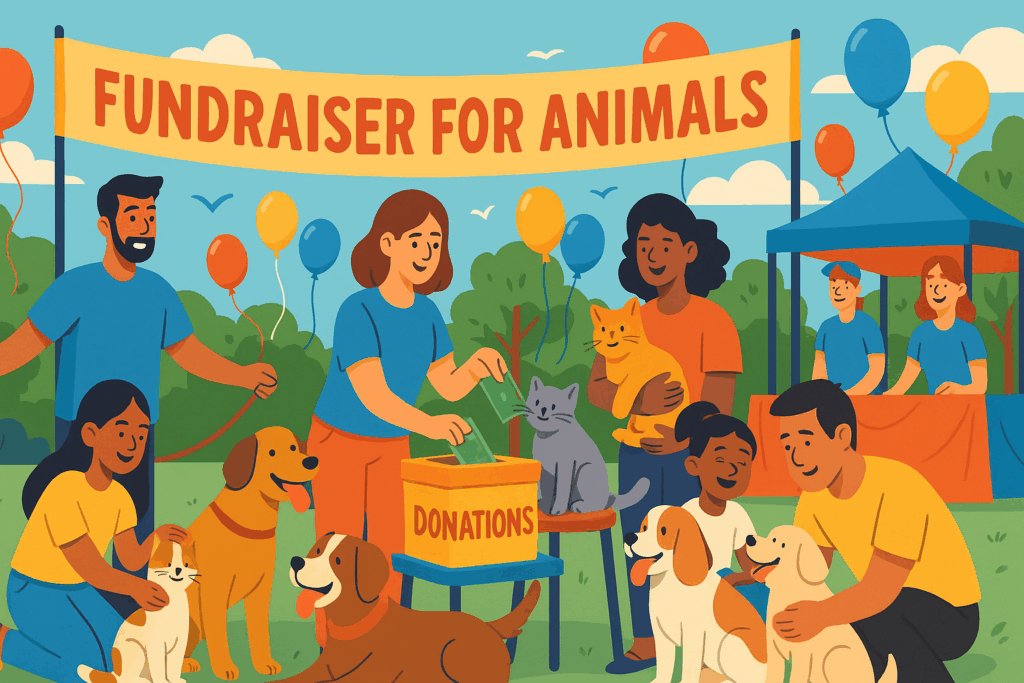
Fundraising events are vital for animal shelters – not only do they generate much-needed financial support, they also raise community awareness and get more people involved in your cause. By hosting events, even small and medium shelters can engage supporters, build relationships, and enhance their reputation in the community. This comprehensive guide will walk you through everything you need to know about planning and executing successful fundraising events for your shelter. We’ll cover types of events, step-by-step planning (with timelines and checklists), promotion strategies, volunteer coordination, budgeting, legal considerations, community engagement, measuring success, creative ideas, and real-life examples. Let’s dive in!
Types of Fundraising Events for Animal Shelters
There are many kinds of events you can organize to raise funds and support for your shelter. The best choice depends on your goals, resources, and audience. Here are some popular types of fundraising events for animal shelters:
- Pet Adoption Fairs or “Adopt-a-thons”: These are community fairs or carnivals focused on finding homes for your animals, while also raising money. You can charge a small entry fee or sell tickets, have booths with games or seasonal activities, and of course showcase adoptable pets. Adoption events not only help pets find families but also attract donors who want to support your mission. (Tip: Consider waiving or reducing adoption fees during the event to encourage adoptions, and raise funds through other activities at the fair.)
- Charity Walks, Runs, or Pet “Thons”: Walk-a-thons and 5K runs are tried-and-true fundraisers that can be made pet-friendly. Participants sign up and often gather pledges or pay an entry fee to walk or run alongside their dogs. For example, you could host a “Dog Walk” or a dog-friendly 5K where supporters bring their canine companions for a fun run. These events bring out animal lovers for exercise and a good cause. You might provide water stations (for humans and pets), offer event t-shirts, and give prizes for top fundraisers. Such active events build great community spirit and visibility for your shelter.
- Auctions and Themed Galas: An auction (silent or live) or a gala dinner can attract donors willing to give larger gifts. Some shelters organize benefit galas with themes (e.g. a “Fur Ball” or costume party) featuring dinner, entertainment, and auctions of donated items or experiences. These are more formal and require more planning, but can yield high returns. For instance, you might host a dinner where local businesses sponsor tables and guests bid on auction items like gift baskets or art. Even a simple bingo night or casino-themed evening can be a fun twist on the gala concept. Galas not only raise money but also enhance your shelter’s profile among community leaders.
- Community Pet Events: Think outside the box with events that engage pet owners and families. Ideas include pet talent shows or fashion shows, where owners pay a fee to enter their pet and spectators donate to vote for winners. A pet photo contest (online or at an event) can get people involved by donating to submit or vote on the cutest pet photos. Bake sales or “Barkery” events are popular too – for example, hold a bake-off for pet-themed treats and sell “pupcakes” and goodies for donations. Other ideas: a dog wash day where volunteers wash dogs for a donation, a car wash with adoptable pets on site, or a “Yappy Hour” mixer at a local dog-friendly brewery.
- Online Fundraising Campaigns: Don’t forget digital events and social media campaigns. Online auctions on platforms like Facebook or charity auction sites can reach a wide audience with low overhead – supporters bid on items remotely and all proceeds go to the shelter. Crowdfunding campaigns are another powerful tool: you can tell a compelling story (say, raising money for a specific animal’s surgery or a new shelter van) and invite many small online donations. Social media challenges (for example, a viral hashtag challenge where people donate and share pet photos) or virtual events like live-streamed concerts or webinars can also rally support online. The key is to leverage the internet to reach people who might not attend an in-person event.
These are just a few examples – from charity pet walks to black-tie galas, from adoption festivals to Facebook fundraisers, the possibilities are endless. Choose an event type that fits your shelter’s size and donor base. It should be fun and engaging for participants, a good match for your community, and aligned with your mission (e.g. an adoption-themed event if your goal is to promote shelter adoptions). And remember, you can combine elements of events too – for instance, an adoption fair could also include a pet photo booth fundraiser and a raffle, or a charity walk might end with a mini pet festival. The more ways people can engage (and donate), the better!
Planning and Organizing Your Event: From Start to Finish
Careful planning is the backbone of a successful fundraiser. It’s important to start early, stay organized, and cover all the bases from the initial idea to the event day and beyond. Below is a step-by-step guide and timeline for planning your shelter’s fundraising event.
1. Set Goals and Define the Event: Begin by clearly defining what you want to achieve. Is your primary goal to raise a certain amount of money? To increase adoptions? To engage new volunteers or donors? Set specific objectives (e.g. “Raise $5,000 for the shelter medical fund and recruit 10 new volunteers”). Knowing your goals will guide all other decisions. Choose a cause or theme for the event that resonates with your mission and community – for example, a focus on spay/neuter awareness, or a celebration of a shelter anniversary. This is also the time to decide on the type of event(from the ideas above) that best fits your goals. Once you have a vision, assemble a team or committee to help. Assign roles like an event chairperson to lead, a volunteer coordinator, a marketing lead, a sponsorship lead, etc., so everyone has clear responsibilities. With a team in place, brainstorm the event details: preliminary budget, potential venues, and possible dates.
2. Create a Timeline and Checklist: Large events are not planned overnight – give yourself enough lead time. Here is a planning timeline with key milestones (for a medium-sized event, you might start planning 6+ months in advance). Adjust as needed for your event’s scale, but the sequence is useful for any timeframe:
- 6–12 Months Before: Appoint an event chairperson and core planning committee. Determine the event’s purpose, theme, and format. Secure a venue or location (book early, especially for popular parks or halls). Set the event date and time, avoiding major conflicts like holidays or big local events. Outline a budget and set a preliminary fundraising goal. Make a list of potential sponsors, partners, or special guests (e.g. invite local businesses, veterinarians, or an honorary celebrity chairperson to lend their name). If entertainment, catering, or other vendors are needed, start researching and contacting them now. Begin devising a publicity plan and event branding (name, logo, theme colors).
- 4–5 Months Before: Kick into active planning. Meet regularly with staff and volunteer planners to track progress. Confirm key participants: book any caterer or food trucks, entertainers, guest speakers, or a DJ/band as needed. Plan the event logistics in detail – sketch the site layout (where will registration, animal areas, stage, restrooms, etc. be?). Apply for any necessary permits (for example, park use permits, street closure permits, assembly permits) and get insurance in order; always get permit approvals in writing. Continue developing your marketing materials (flyers, online graphics) and have a detailed distribution plan for publicity. If you’ll seek media coverage, this is a good time to reach out to local media or request a notable figure to attend. Also start recruiting volunteers in earnest (more on that below) – identify how many and what roles you’ll need at the event.
- 2–3 Months Before: Ramp up the promotion and finalize logistics. Send save-the-dates or invitations (physical invites for a gala, or email/event page for a walk, etc.) now so people can mark their calendars. Print your posters, flyers, brochures and begin circulating them widely. Organize registration details: if attendees need to buy tickets or RSVP, set up an online registration page or ticketing system. If it’s a walkathon or peer-to-peer fundraiser, ensure your online fundraising pages are live. Confirm all vendors and key people in writing – e.g. the venue contract, caterer menu, equipment rentals, speakers’ commitments. Plan day-of schedules: make a detailed timeline of the event program (when activities or speeches happen, etc.). Arrange any needed training for volunteers (schedule a briefing or rehearsal if complex). If you’ll have an auction or raffle, start procuring donated items or prizes. Publicity: Send out press releases to community newspapers, radio, and online event calendars about a month or two in advance. Continue regular social media posts to build excitement (more promotion tips in the next section).
- 1–2 Weeks Before: Do a final sweep of preparations. Purchase or gather all supplies and materials: decorations, signs, name tags, registration lists, merch to sell, pet supplies (waste bags, water bowls), etc. Ensure any printed materials (programs, banners) are ready. Re-confirm all vendors, speakers, and volunteers – a quick call or email to double-check times and needs. Prepare an emergency plan and contact list – have phone numbers for key staff, vet on call (if animals are present), security or police contact, etc., and plan for things like weather issues or first aid needs. If animals will be at the event, verify they are ready (for adoption events, have all pets vetted and paperwork prepared in advance). Train volunteers on their specific duties and walk through the event flow with your team so everyone knows what to expect. Also, push hard on last-minute promotions: send a reminder email or do a final social media countdown in the week leading up to the event to drive attendance.
- Event Day: This is it! Plan to arrive early with your team for setup. Put up directional signs to the venue and within the site (parking, registration, etc.). Set up tables, chairs, stages, sound systems, tents – everything should be ready before the advertised start time. Have a volunteer or staff member at the entrance to welcome and check in attendees (for ticketed events, verify names or collect tickets; for casual events, have a sign-in or donation station). Make sure safety measures are in place: have a first aid kit on hand (for both people and pets), designate a lost-and-found or pet relief area if needed, and ensure everyone knows who to contact in an emergency. Throughout the event, stick to your schedule as best as possible – keep activities and speakers running on time. If something unexpected happens (e.g. a microphone fails or a volunteer is a no-show), stay calm and adapt – have a Plan B where possible (extra batteries, backup staff, etc.). Most importantly, engage with your attendees and make it fun: greet people, encourage them to participate in activities and donate, and share your shelter’s story whenever you can. If you have animals at the event, ensure their welfare (shifts so they don’t get overwhelmed, water and breaks for them). Toward the end, publicly thank everyone (announcements for volunteers, sponsors, donors) and remind people how their support makes a difference. After the festivities, coordinate a cleanup crew – leave the venue clean to maintain a good reputation!
- Post-Event (Next Day and Following Weeks): Your job isn’t done when the event ends. Immediately after, make notes of any standout issues or ideas while fresh in mind. In the day or two after, take down any remaining signs or advertisements around town and return any borrowed or rented equipment. Within a week or so, hold a wrap-up meeting with your team to evaluate the event – discuss what went well and what could be improved. Send thank-you notes or emails to everyone who helped: volunteers, donors, sponsors, vendors, etc. – express your appreciation and (if applicable) share the success metrics like “we raised $X and adopted out Y pets”. Issue a post-event press release or social media post thanking the community and highlighting results. Finish all financial reporting: count the funds raised, pay any outstanding bills, and calculate your net profit (or loss) for the event. Gathering all this data will help measure the event’s impact (more on that later). Finally, organize your records – save vendor contacts, checklists, timelines, and notes in a folder for next time. You’ll be glad to have a template to start with for your next event. And don’t forget to celebrate internally – treat your team to a little thank-you lunch or token of appreciation, and take a well-earned rest after a successful event!
By following a detailed timeline like the above, you ensure nothing falls through the cracks. Breaking the project into phases with deadlines will keep you on track. Use checklists to tick off tasks as you go – it’s satisfying and prevents last-minute panic. Good organization is key: even if you’re a small shelter with one or two staff, you can recruit volunteers to form a mini event committee and divvy up the work.
Pro Tip: Document everything as you plan. Keep a running list of contacts, costs, and to-dos. After the event, note what should be changed for next time. Over the years, you’ll build a playbook that makes future events easier and more successful.
Promotion and Marketing Strategies
You can plan the greatest event, but it won’t succeed if people don’t know about it! Marketing and promotion are critical to boost attendance and donations. The best approach is to use multiple channels – both online and offline – to spread the word. Below are strategies to effectively promote your animal shelter fundraiser:
- Create Clear, Compelling Marketing Materials: Start with a catchy event name and a simple description that explains the who/what/when/where/why. Design flyers and posters that highlight the fun activities and the cause (e.g. “Join us for the Paws in the Park Walk – help save homeless pets!”). Make sure to include key details (date, time, location, ticket/donation info, contact info). If graphic design isn’t your forte, there are free templates or ask a volunteer with design skills. Also prepare digital graphics: images for social media posts, a banner for your website, etc., all with a consistent look. Eye-catching visuals and a clear message will draw interest.
- Leverage Social Media: Social media is one of your most powerful (and free) promotion tools. Create a Facebook event page and invite followers; post about the event regularly on Facebook, Instagram, Twitter, and any other platform you use. Start promotion early – a good rule of thumb is to announce the event about 3 months ahead. Then continue with reminders: post updates 2–4 weeks before (to urge people to register or buy tickets), again one week out (final reminder), and even on event day share live updates. Use engaging content to get attention: share photos of animals that will be at the event, behind-the-scenes prep, or short videos from your shelter staff inviting everyone to come. If your shelter has a compelling story or goal (like “we need to raise $10k for our new kitten nursery”), make sure to tell that story in your posts – it helps people connect emotionally. You can also use social media creatively: for example, run a countdown (“5 days until Bark in the Park!”), introduce key participants (like a feature on a volunteer or sponsor helping with the event), or create a hashtag for the event and encourage attendees to use it. Don’t be shy about asking supporters to share your posts – the more people it reaches, the better.
- Email and Online Outreach: If you have an email list of donors or adopters, send them a series of emails about the event. The first announcement can be a “Save the Date” or introduction to the event and its purpose. Later emails can include updates (new auction items, a sponsor match offer, etc.) and a call-to-action to RSVP or donate. Keep emails concise, with a catchy subject line and a clear registration link. Additionally, put the event info prominently on your website – a banner or popup on your homepage, and a dedicated event page with all details and a way to donate or sign up. Make sure online promotion highlights both attending and donating options (some people may donate even if they can’t attend in person). If possible, use an online fundraising page or software to track donations coming in before or during the event (many shelters use platforms that show a thermometer or goal meter, which motivates people).
- Traditional Media and Community Outreach: Don’t underestimate offline promotion, especially in your local community. Put up flyers and posters at vet clinics, pet supply stores, grocery stores, libraries, coffee shops – anywhere community bulletin boards exist. Partner with local businesses to display a flyer on their counter. Ask local radio stations or community TV to mention the event (many have free community calendars or PSA spots). Send a press release to local newspapers, and even reach out directly to any reporters who have covered animal stories – invite them to cover your event. Sometimes a compelling angle (like a human-interest story about a particular animal the event will help) can attract media coverage. If you have the budget, you could take out an ad in the local paper or boost a Facebook event post to reach more people in your area. Also utilize grassroots marketing: for example, have volunteers distribute handbills at a farmer’s market or hang a banner outside your shelter. Engaging community groups is great too – ask local schools, churches, or civic groups to include your event in their newsletters. The more local buzz you can create, the better your turnout.
- Promotion Partnerships: Consider partnering with a local business or influencer to widen your reach. For instance, a popular local pet blogger or a social media influencer who loves animals might help promote your event to their followers. A pet-related business (groomer, doggy daycare, pet bakery) might co-host or sponsor the event and promote it to their customers. These collaborations can significantly expand your audience. Even asking your supporters to share event info with their friends and coworkers can be powerful (you might provide a simple digital flyer they can forward or post).
- Use Stories and Slogans: In all your marketing, remember to emphasize why the fundraiser matters. Touch people’s hearts with an animal’s story or a memorable slogan. For example, a slogan like “Help us give homeless pets a second chance” or a tagline on a poster saying “They’re counting on us – join our fundraiser to save lives”can resonate strongly. Emotional appeal is important in fundraising – people are more likely to attend or donate when they feel a connection to the cause. Sharing brief success stories (e.g. “Last year, 50 animals found homes thanks to events like this!”) or needs (e.g. “Our shelter medical fund is running low – we need your help”) can motivate action.
Finally, engage attendees during and after the event via promotion. On event day, consider having someone take photos or short videos and post live updates (if appropriate) to social media – this creates excitement and also reaches people who aren’t there in person. After the event, share a recap: post photos of the happy adopted pets or the crowd that showed up, announce how much was raised, and publicly thank everyone. This not only recognizes contributors but also shows transparency and success, which can attract more support in the future.
In summary, use every avenue available to promote your fundraiser: digital, print, media, and word-of-mouth. Start early and keep the information flowing steadily (without overdoing it). Effective promotion will ensure all your planning pays off by getting people “in the door” (or online) and excited to contribute.
Volunteer Recruitment and Coordination
Volunteers are the lifeblood of many shelter events. Whether it’s helping plan the event, handle logistics on the day, or simply providing extra hands and smiles, volunteers can make your fundraiser possible – and fun! Here’s how to recruit and manage volunteers for your fundraising events:
- Start Recruiting Early: As soon as you have the event concept, start putting out the call for volunteers. Use your shelter’s existing volunteer pool and also seek new faces. Online platforms like VolunteerMatch and Idealist are great for posting volunteer opportunities and reaching people who care about animal causes. You can also advertise on your social media pages – make a post asking for event volunteers, specifying the date and roles needed, and encourage sharing. Don’t forget local resources: community bulletin boards, local college service clubs, or even a note on your shelter’s front desk for visitors. Sometimes your most passionate volunteers may come from your own supporters – consider inviting recent adopters or donors to help out. People who have benefited from or love your shelter might be thrilled to give back in this way.
- Offer a Variety of Roles: Not everyone is comfortable doing the same tasks, so recruit for a range of jobs to attract different people. Common event volunteer roles include: staffing the registration table, handling merchandise or raffle sales, supervising game or activity stations, walking adoptable dogs or handling cats at an adoption event, serving food or refreshments, helping with setup/breakdown, parking coordination, photography, and so on. By breaking the event into specific roles or shifts, volunteers can sign up for what suits their interests and schedule. When you advertise volunteer needs, be clear about what each job entails and the time commitment. For example: “Looking for volunteers to help at our Charity Dog Wash on June 1st – shifts available for morning setup (8-10am), dog washers (10am-2pm), and cleanup (2-3pm).” Providing that detail helps people see where they fit in.
- Screen and Train Volunteers as Needed: For most one-time event volunteers, a simple sign-up form and a quick orientation might suffice. However, ensure you collect necessary information (contact info, any relevant experience) and have any required waivers signed (liability waivers for volunteering, photo release if they might be photographed, etc.). If your event involves handling animals or money, you may want to select trusted or trained volunteers for those roles (for example, only experienced shelter volunteers handling pets up for adoption, or staff overseeing cash collection). Provide training or briefing before the event – even if just a 30-minute meeting or a phone call. Walk them through the event timeline, their duties, who to go to with questions, and basic “what if” scenarios (like what to do if a dog gets loose, or if there’s a first aid need). Well-prepared volunteers will be more confident and effective. If you have many volunteers, consider creating a simple “Volunteer Guide” handout with key instructions and contact numbers.
- Keep Volunteers Engaged and Informed: In the lead-up to the event, maintain communication. Send a reminder email a week prior confirming their shift and role, along with any updates (e.g. where to park, what to wear – telling volunteers to wear a shelter t-shirt or specific color can help identify them at the event). If possible, have a designated Volunteer Manager (it could be a staff member or a lead volunteer) who focuses on volunteer check-in and needs. On event day, greet your volunteers as they arrive, check them in, and direct them to where they need to be. Create a sign-in/out sheet so you know who’s on site. Provide any materials they need (e.g. name tags, aprons, maps of the venue).
- Support and Supervise During the Event: Ensure each volunteer knows who their point of contact or supervisor is during the event. The event environment can get hectic, so touching base with volunteers periodically is important. Float around to see if anyone needs a break or assistance. Encourage experienced volunteers to mentor new ones (for instance, pair a new volunteer with a veteran at the registration table). Be mindful not to overwork volunteers – offer breaks especially if it’s a long event or a hot day. Also, empower your volunteers to be ambassadors: remind them that they are representing the shelter too. If they’re enthusiastic and friendly with attendees, it enhances everyone’s experience. Little gestures like providing water and snacks for your volunteers, or a quiet area for them to rest if needed, can keep morale high.
- Show Appreciation: Volunteers are giving their time and energy for free, so make sure they feel valued. A heartfelt thank-you during the event and after goes a long way. You might publicly acknowledge volunteers in event speeches or on social media afterward. Consider small perks: maybe volunteers get a free event t-shirt or first pick at the bake sale. Post-event, send a thank-you email or card. Let them know how much was raised or how many pets were helped – connecting their efforts to the impact makes volunteering rewarding and they’ll be more likely to help again. Building a positive volunteer experience not only helps this event but strengthens your shelter’s volunteer program overall.
- Learn and Improve: After the event, solicit feedback from your volunteers. They often have great insights since they were “on the ground.” Maybe the registration process was confusing, or more volunteers were needed in one area and less in another. Gathering this feedback (you can do a quick survey or informal conversations) will help in planning the next event. It also makes volunteers feel heard.
Recruiting and coordinating volunteers does take effort, but remember you don’t have to do it all alone. If possible, designate a volunteer coordinator to manage these tasks. By clearly communicating expectations, providing support, and recognizing their contributions, you’ll cultivate a team of volunteers that will happily stick with you for future fundraisers. As one shelter professional noted, some of their most dedicated volunteers came through word of mouth and personal connections – a positive experience gets people telling their friends and coming back to help. Treat your volunteers like the VIPs they are!
Budgeting and Financial Planning
One hard truth about events: if you’re not careful, they can cost more than they bring in. Successful fundraising events require sound financial planning to maximize the money that goes to your mission. Here’s how to budget and plan financially for your event:
- Create a Detailed Budget: Start early by listing all potential expenses for your event. Common expense categories include: Venue (rental fees, security deposits), Food & Drinks (catering, snacks, water for participants), Equipment (tables, chairs, tents, audio system, lighting), Permits and Insurance (application fees, liability insurance premiums), Marketing (printing flyers, online ads), Supplies and Décor (name tags, banners, decorations, prizes, etc.), and possibly Staff Overtime (if staff are working extra hours) or Entertainment (if you hire a DJ, band, face-painter, etc.). Be thorough – it’s often the little things like printing and postage that add up. Once you have the list, research or estimate the cost for each item. It’s wise to pad the budget a bit for unexpected costs. Sum it up to see your total projected expenses.
- Set a Fundraising Goal and Pricing: With your expense budget in hand, set a target for how much money you need to raise to both cover costs and have a surplus for your shelter. For example, if you estimate $2,000 in expenses, you might set a goal to raise at least $6,000 (so that $4,000 is net profit for the shelter). Your goals might be higher depending on your needs, but be realistic based on the scale of your event and the size of your supporter base. Use the goal to guide your revenue plans: How will you raise that money? Decide on the pricing for any tickets, entry fees, or suggested donations. If it’s a gala dinner, set ticket prices to comfortably cover the per-person cost of food and entertainment plus contribute to fundraising – and consider offering sponsorship tables for businesses at higher rates. If it’s a charity walk, will participants get pledges per mile or pay a flat registration? Perhaps you’ll have a mix of income streams: ticket sales, on-site sales (merchandise, food, games), donations at the event, and maybe a raffle or auction. Outline these in your plan. By setting a clear financial goal, you can also motivate your team and donors (“we’re aiming to raise $X for the animals!”).
- Mind the Bottom Line (Keep it Profitable): As you plan, always keep an eye on the profitability of the event. The equation is simple: Funds Raised minus Expenses = Net Funds for your Shelter. You want that net number to be as high as possible. An important consideration is the return on investment (ROI) – in nonprofit terms, the cost to raise a dollar. A “healthy” fundraising event will ideally spend no more than 20-30 cents to raise $1 (this is just a guideline; smaller events might spend more) so that 70-80% of funds go to the cause. To achieve this, look for ways to minimize costs and maximize income. For example, can you get a venue donated or at a discount? Can you use volunteers instead of paid labor? Can a print shop sponsor your flyers? Many generous businesses will offer in-kind donations if you ask – and that directly reduces your expenses. On the revenue side, think of add-ons that cost little but bring in cash: selling shelter T-shirts or pet calendars, having a donation jar at the event, or incorporating a small fundraiser like a raffle or bake sale into a larger event. Even refreshments can be a fundraiser (e.g. suggest a donation for each cupcake). However, be careful with adding expensive elements that don’t raise much. Always ask: will this help us net more funds or is it just nice to have? It’s possible to lose money on an event if costs balloon or attendance falls short, so make budget-conscious decisions throughout.
- Secure Sponsorships and Donations: A great way to offset costs and boost revenue is to bring in sponsors. Sponsorships mean a business (or individual) contributes money or resources to support the event, in exchange for recognition. For example, a local pet supply store might sponsor $500 in return for having their banner at the event and a shout-out during announcements. Or a company might underwrite a specific item – “Food sponsored by ABC Restaurant”. You can offer sponsorship levels (Gold, Silver, Bronze) with increasing perks like logos on t-shirts, booth space at the event, or social media mentions. Many businesses are happy to support community events (and get some marketing in return) if you pitch it to them. In-kind donations are just as valuable: ask for donated goods and services. Everything from the venue, food, sound equipment, to raffle prizes and goody bag items can potentially be donated. Every in-kind gift you secure is something you don’t have to pay for, effectively increasing your net fundraising. And if you get high-value prizes donated (like gift certificates, gift baskets, etc.), you can auction or raffle them for pure profit. Don’t be afraid to ask – the worst they can say is no, and many local businesses are quite willing to help shelters. Also explore grants or contributions from foundations or civic groups for special events, if applicable.
- Track Income and Expenses Meticulously: As you collect money (ticket sales, sponsorship checks, etc.) and spend on purchases, keep records updated. It’s helpful to use a simple spreadsheet to log every expense and every bit of income. This will let you know if you’re on track financially. For instance, if ticket sales are slow, you might ramp up promotion or adjust plans. Similarly, tracking expenses can prevent overspending – you’ll see if any category is costing more than expected. On event day, have a secure process for handling money (a locked cash box or use a digital payment system for on-site sales). After the event, you’ll use these records to calculate your total funds raised and net income. Accurate financial records are also important for transparency and reporting, especially if you’ll share results with donors or need to report to a board of directors.
- Plan for Contingencies: Financially, it’s wise to have a small contingency fund in your budget, say 5-10% of total costs, for surprises. Perhaps you need extra supplies last-minute or an emergency expense pops up – having a cushion prevents panicking or personal out-of-pocket spending. Also consider contingency plans for revenue. What if it rains and turnout is low? Could you extend an online fundraising push as a backup? Or if you exceed your goal early, do you have stretch goals to encourage even more giving? Thinking through “what if” scenarios can help you respond in real time. For weather-dependent events, sometimes having insurance or a backup date is a financial consideration too (event insurance might reimburse costs if weather forces cancellation, depending on policy).
- Legal & Accounting Matters: Ensure you comply with any financial regulations. For example, if you are a registered nonprofit, you likely need to issue donation receipts for tax-deductible contributions (especially if part of ticket prices or auction purchases are tax-deductible, you must inform donors of the deductible amount). This is part of being financially transparent and maintaining trust. Keep copies of receipts and invoices for all expenses – they will be needed for your own accounting and possibly for annual audits or reports. It’s also a good idea to separate event funds in record-keeping (and even a separate bank account or sub-account) so you can clearly show event income vs. expenses.
In summary, financial planning for an event means budgeting wisely, keeping costs down, and maximizing fundraising avenues. As you plan, regularly revisit the question: “How will this decision impact our net proceeds?” By focusing on that, you’ll ensure the event truly benefits the animals. When you achieve a great outcome – say you raised $5,000 with only $500 in expenses – celebrate that efficiency with your team and supporters. And if the finances didn’t turn out as hoped, treat it as a learning experience: analyze which expenses were too high or what revenue sources underperformed, and adjust your strategy next time. Over time, you’ll get better at predicting and improving the financial results of your events.
Legal and Logistical Considerations
Planning an event involves more than just fun and games – there are important legal and logistical details to get right to ensure everything is safe and compliant. Small to medium shelters might not have a legal team, but you should still be aware of common requirements. Here are key considerations:
- Permits and Permissions: Many events require permits from local authorities. If you’re using a city park or closing streets for a walk, you’ll likely need a permit from the parks department or city hall (often you must apply weeks or months in advance, as noted earlier). Events with large gatherings might need notification to local police or a crowd control plan. If you plan to have amplified sound (music, PA system) outdoors, some places require a noise permit. Raffles or gaming (like a 50/50 raffle, bingo, casino night) can fall under gambling laws – some jurisdictions require a raffle license or prohibit certain games. Check your state/local laws on charitable gaming if you plan to do this. If you’ll serve or sell alcohol (say at a gala or beer festival), you almost certainly need a one-day liquor license or permit, and often insurance to cover alcohol liability. Always contact your local government offices to ask what permits apply to your event type. They can guide you to the right forms and requirements. It may seem daunting, but being in compliance protects your shelter from fines or last-minute shutdowns. Once obtained, keep copies of permits with you during the event.
- Insurance and Liability: We touched on event insurance in budgeting – it’s critical for protecting your organization. Many venues will require you to show a Certificate of Insurance (COI) for the event, listing them as additionally insured. At minimum, you want general liability coverage for the event date (covering bodily injury or property damage that could occur). If you already have liability insurance for your shelter, ask your insurer if it extends to events or if you need a special event rider. If animals and the public are mingling, liability coverage is a must (imagine a dog at your event accidentally bites someone, or a child trips over an extension cord – insurance is there for these scenarios). Additionally, if serving alcohol, get a liquor liability endorsement on your policy. Special event insurance policies are usually not very expensive and can be obtained for one-time events if needed. Besides insurance, consider having waivers for participants depending on the activity. For example, if you run a dog walk or agility contest, have participants sign a waiver acknowledging the risks (there are often template waiver forms available). Likewise, volunteer waivers covering liability and even photo consent are good practice. Keep all signed waivers on file. It’s also wise to have basic risk management in place: identify potential hazards and mitigate them (e.g. have a plan for dog fights or lost kids, ensure all cables are taped down to prevent trips, etc.). By prioritizing safety and having insurance, you greatly reduce the legal risks of events.
- Health and Safety Regulations: Ensure you follow health and safety rules. If you’ll have food at the event that is not pre-packaged, sometimes a temporary food service permit or food handler’s certification is required. Check with the local health department especially if you’re serving open food to the public or doing a cookout fundraiser. For events with animals, enforce appropriate animal safety rules: require pets to be leashed or contained (and up-to-date on vaccines if that’s a local law). If you’re having outside animals (like a petting zoo or pony rides at a fair), those vendors should handle their permits and insurance, but verify that they do. COVID or other public health considerations might impose certain guidelines (less so by 2025, but be aware if any resurfaces). You may also need to consider capacity limits for indoor venues per fire codes.
- Accessibility and Inclusivity: Logistically, make sure your event is accessible to those with disabilities. If it’s in a park, are there paved paths or alternatives for wheelchair users? Do you need to rent an accessible portable toilet? Ensuring ADA compliance is both legally required for public events and the right thing to do. Also consider things like providing some seating for elderly attendees, having water available (especially if hot or if pets are present, hydration is key for all species!), and possibly a quiet area if the event is loud or overwhelming for some. If you have a lot of dogs coming, plan for pet-relief areas (and supply poop bags and trash cans).
- Contracts and Agreements: Whenever you engage vendors or services, use written agreements. If a venue is provided free, there may still be an agreement about who is liable for damages. Read any contracts carefully – for example, venues might require you to leave by a certain time or face extra charges, or a band may stipulate you must provide certain equipment. For any paid vendor, ensure the terms (services, fees, timing) are clearly spelled out in writing and signed. Keep copies of all contracts. Also, if you partner with another organization on the event (say a rescue group co-hosting), consider an MOU (Memorandum of Understanding) to outline roles and revenue split to avoid misunderstandings.
- Emergency Preparedness: Have plans for emergencies: identify the nearest hospital (for people) and 24-hour vet (for animals) in case of injury. Coordinate with local authorities if needed – for large events, sometimes having an off-duty police officer or EMT on site can be helpful (some jurisdictions require it once attendance is above a threshold). At minimum, your staff/volunteers should know basic emergency procedures: where are the exits, who to call (911 for serious issues), and how to handle lost child announcements or missing pet situations. Preparing an emergency contact sheet for the event staff (with important phone numbers and roles) is a good practice.
- Regulatory Compliance: If your shelter is a 501(c)(3) nonprofit, remember that fundraising is regulated in many states. This usually involves registering your charity for solicitation in your state, and sometimes additional permits for events (like a “special event” notice to the state charity official). Check your state’s charity bureau or Attorney General’s office guidelines on fundraising events. For example, some places require you to report revenue from gaming (raffles) for tax purposes. Also, be mindful of tax receipt rules: donors who give money at your event may want a receipt. If someone gives a single donation above a certain amount, or if you have an auction where the amount paid above fair market value is tax-deductible, you need to provide that info. For instance, if you auction a gift basket worth $100 and someone pays $300, they have a $200 charitable contribution – you should give them a receipt stating that (consult the IRS guidelines or a nonprofit attorney for specifics). While these details might sound tedious, they protect your shelter’s reputation and ensure donors can deduct contributions correctly.
- Privacy and Permissions: If you plan to take photos or videos of attendees and use them in marketing, it’s generally acceptable at a public event, but having a notice posted (e.g. “Photography in use – by entering you consent to possible use of your image in our shelter publications”) or mentioning it can be courteous. If anyone objects to being photographed, respect that. Particularly, be careful with children – usually get parental consent if featuring a child in a prominent way in publicity.
- Logistical Nuts and Bolts: On the non-legal side of logistics, ensure you have things like adequate parking or transport arrangements. If parking is limited, arrange overflow parking or encourage carpooling/rideshares. For large outdoor events, might you need portable restrooms? Do you have enough trash bins and a plan for waste removal? Little details like having plenty of change for cash transactions, backup batteries/generators for electronics, and even things like sunscreen and hand sanitizer available, can make a difference in how smoothly your event runs. If you’re doing an outdoor event, always check if you need a tent or shelter in case of sun or rain – and watch the weather forecast closely as the day approaches. It helps to create a logistics checklist (some of which was covered in the planning timeline section).
In short, cover your bases: get needed permits, have insurance, follow laws (when in doubt, ask an expert or city official), and plan for safety and contingencies. While this aspect of event planning isn’t the most glamorous, it is extremely important. The last thing you want is for your fundraiser to inadvertently cause an injury or get shut down due to a missing permit. By handling legal and logistical details ahead of time, you’ll have peace of mind and be able to focus on the fun and fundraising on event day, knowing you’ve minimized risks and are prepared.
Engaging the Local Community and Businesses
A fundraising event doesn’t happen in a vacuum – it’s an opportunity to rally your whole community around your cause. Engaging local individuals, groups, and businesses will not only boost your event’s success but also strengthen your shelter’s network for the long term. Here are ways to involve the community:
- Local Business Sponsorships and Partnerships: As discussed under budgeting, inviting businesses to sponsor the event financially or through in-kind support is a win-win. Beyond sponsorships, get businesses involved on the day of the event. For example, you could have local vendors set up booths at your event (pet-related businesses or even food trucks) which makes the event more vibrant while they might donate a portion of sales. A pet bakery could run a stall and give 20% to the shelter, or a grooming salon might do a demo. Approach pet stores, vet clinics, dog trainers, groomers, pet sitters, and other animal-friendly businesses – they often love opportunities to connect with pet owners. Even non-pet businesses can join in: a local band might play pro bono, a printer might donate banners, or a brewery might host a Yappy Hour. Make sure to acknowledge and promote any business that helps (put their logos on flyers or give shout-outs) – this gives them incentive to continue supporting you. Community-minded businesses are key allies; you might be surprised how many will say yes when you simply ask for help.
- Invite Community Groups and Leaders: Think about existing community organizations that could plug into your event. Perhaps a youth group or Scouts troop would volunteer as part of a service project. Maybe a dog training club would do an obedience demonstration at your pet fair, or a local art club might help decorate. If your town has an active Rotary Club, Chamber of Commerce, or other civic groups, send them an invite or ask if they’d like to attend or assist. Sometimes these groups even look for causes to donate to – your event could be a place they present a check or pledge a matching grant. Local officials (mayor, council members) and personalities can also draw attention – consider asking one to be a guest speaker or an “honorary chair” of the event. For instance, having the mayor cut a ribbon at the start of a charity walk can attract media and public interest. Public figures often welcome the positive PR of supporting a good cause like yours.
- Promote Community Ownership: Frame the event as the community’s event to help local animals. Language matters – use “we” and “our community’s homeless pets” in communications. Encourage people not just to attend, but to be ambassadors: “Help us spread the word and make this a community-wide effort!”. If appropriate, let people fundraise peer-to-peer (like forming teams for a walkathon, where local businesses or families compete to raise the most). This way, participants involve their own social circles. Community challenges (e.g. a school penny drive leading up to an event, or a contest between local businesses to raise funds) can be fun and engaging. The more people feel personally invested, the better turnout and support you’ll see.
- Involve Local Media and Storytelling: Community newspapers, radio, and TV stations can be great partners. If you have a human-interest story (say, a local family adopting a pet at the event or a pet that was rescued and is now a “guest of honor”), pitch it to the media. Often, local news will do a small feature or mention, especially if you tie it into a community issue (like “rise in stray animals – shelter hosts fundraiser to respond”). Leverage any media partnerships: for instance, some shelters work with radio stations to do live broadcasts from the event or with news stations in campaigns like Clear the Shelters. As seen with the Clear The Shelters campaign, media partnerships can massively boost community engagement – shelters reported “unbelievable media coverage from NBC and Telemundo” which drove huge turnout. While you may not have a big TV partner, even a well-placed article in the local paper can bring new faces to your fundraiser.
- Engage Small Businesses and Restaurants: Aside from sponsorships, local shops can help fundraise in simple ways. For example, a restaurant might hold a “dine-out night” where a percentage of proceeds on a certain date go to your shelter, often promoted in conjunction with your event. A gym might run a charity workout class benefiting the shelter (with event flyers handed out to attendees). A bookstore could host a pet-themed story hour with donation jars out. These tie-in events by community businesses can create a mini fundraising campaign around your main event, and bring in funds as well as publicity. Don’t hesitate to reach out creatively – many businesses like aligning with beloved causes like animal welfare.
- Two-Way Community Benefit: Emphasize how your event gives back to the community, not just the shelter. For instance, if you run a vaccination clinic or microchip booth at your event for low-cost, that’s a community service. An educational workshop on pet care benefits local pet owners. By highlighting these aspects, you show that the event is not only asking for money but also providing value. Community members will feel good about participating when they see tangible benefits like pets getting adopted, kids having fun, or people learning something new.
- Thank the Community: After the event, make your appreciation public. Take out a thank-you ad listing business sponsors and community partners (some newspapers will donate this space). Post on social media specifically thanking volunteers, sponsors, and attendees – perhaps with a group photo or a recap video. When the community feels their contribution was recognized, they’ll be more likely to help next time. Building these relationships is cumulative: each successful event can draw a bit bigger crowd and more partners as word spreads that supporting your shelter is a worthwhile and rewarding endeavor.
Engaging the community is about building a sense of shared purpose. Instead of the shelter working in isolation, the event becomes a community project to help animals. Over time, you might find your event becomes a beloved annual tradition that people look forward to (and even ask about if you skip a year!). That’s when you know you’ve truly connected – when the community claims ownership, saying “our shelter’s big fundraiser is coming up; we all need to pitch in.” Cultivating this takes effort and genuine relationship-building, but the rewards in sustainability and support are huge. Remember, animal shelters and the community thrive together, and your fundraising event can strengthen that bond.
Measuring and Evaluating Event Success
After the flurry of planning and execution, it’s crucial to take stock of how your event performed. Evaluating success isn’t just about tallying dollars (though that’s important) – it’s about understanding the full impact and learning for the future. Here’s how to measure and evaluate your fundraising event:
- Financial Results: Start with the obvious metric: funds raised. Count all the income from the event: ticket sales, donations, sponsorships, auction proceeds, merchandise sales, etc. Subtract all the expenses we discussed in budgeting. The net amount is how much your shelter gained financially. Compare this to your goal – did you meet, exceed, or fall short? Also consider the return on investment: calculate the ROI or cost per dollar raised (e.g. if you spent $0.20 to raise $1, that’s a good ROI). This helps you gauge efficiency. If the event is annual, compare it to last year’s numbers to see growth or decline. Financial metrics are often what boards and donors ask about, so have these ready: total revenue, total expense, net profit, and perhaps the percentage of goal achieved. But remember, money is only one aspect.
- Attendance and Participation: How many people showed up or participated? This is another key measure. Count attendance if possible (for a free event, you might estimate from sign-in sheets or count heads during peak time; for ticketed events you’ll have exact figures). Note the number of participants in specific activities too (e.g. 50 dogs walked in the 5K, 30 bidders in the auction, 100 raffle tickets sold, etc.). If your event had a participation goal(like a target of 100 walkers), see if you hit it. High attendance is a sign of strong community engagement. If attendance was lower than expected, analyze why – was it the weather? Was promotion lacking? These insights are valuable for next time.
- New vs. Returning Supporters: An important outcome of events can be attracting new donors or volunteers. Track if possible how many attendees were new to your shelter’s community. For example, maybe you notice 30 new names on your sign-up or donation list who had never given before – that’s a big success in expanding your base. Events can also re-engage lapsed supporters. If you required registration, you might have data on this; if not, you could gauge by anecdotal observation or a post-event survey (asking “Is this your first event with us?”). One of your evaluation metrics can be “number of new supporters gained.”
- Adoptions or Programmatic Outcomes: If your event was tied to adoptions or another mission aspect (like a vaccination clinic), measure that outcome. How many animals were adopted? How many vaccines given? For example, if your adoption fair resulted in 15 pets finding homes that day, that’s a concrete success to celebrate (even if fundraising dollars were modest, those adoptions are priceless). The NBC Clear The Shelters campaign tallies adoptions – nearly 170,000 pets adopted in 2024’s campaign – which is a phenomenal impact beyond dollars. For your own events, capturing these mission-related metrics (lives impacted) is crucial for telling the full story of success.
- Community Awareness and Media Reach: It can be harder to quantify, but consider the exposure your shelter got. Did local media cover the event? Note any newspaper articles, TV spots, or radio mentions – and the audiences they reach. Check your social media stats around the event: how many people viewed or engaged with your event posts? If you ran a hashtag, how far did it spread? These are marketing metrics that show growth in awareness. For instance, if a news piece ran and mentioned how to donate, that’s valuable outreach that could lead to future support. If you had a lot of buzz (shares, comments) online, that indicates increased visibility. Some orgs track social media engagement metrics (likes, shares, comments, hashtag uses) as part of event success.
- Feedback from Attendees and Volunteers: Qualitative evaluation is just as important. Gather feedback to learn what worked well and what didn’t. You can send a short survey to attendees (if you have their email from registration) – ask a few questions like “How would you rate the event? What was your favorite part? Any suggestions for improvement?”. Offer an incentive like a chance to win a gift card to encourage responses. Likewise, debrief with your volunteers and staff: discuss their experiences, note any problems encountered or ideas they have. Maybe attendees loved the venue but found parking difficult – you’ll only know if you ask. Or volunteers might point out that the registration line got backed up – indicating you need more stations next time. This kind of direct feedback is gold for making future events better.
- Evaluate Against Objectives: Revisit the original goals you set. If your goals were multifaceted (e.g. raise $5k, recruit 5 new foster volunteers, and get 3 media mentions), measure each. Perhaps you raised $6k (great), but only got 1 new foster signup – that shows where additional focus might be needed. If you had a goal for community engagement (like “increase social media followers by 100” or “collect 200 petition signatures for an animal ordinance at the event”), check those too. This is why setting specific objectives upfront is important – it gives you benchmarks to measure success beyond just revenue.
- Calculate Key Performance Indicators (KPIs): For those who like numbers, you can derive some KPIs. Examples: Average donation per attendee (total funds / number of attendees), conversion rate (what percentage of attendees actually donated or purchased something), cost per attendee (total expense / attendees), etc. If you had an auction, calculate the auction yield (total bids vs. value of items). For a walk, maybe look at average funds raised per participant. These metrics can highlight efficiency. For instance, if average donation per attendee was very low, you might strategize how to encourage guests to give more on-site next time (maybe through a better appeal or by adding a donation booth). If cost per attendee was high, maybe you need to increase turnout or cut costs. Metrics give you a quantitative basis for decisions.
- Document Lessons Learned: Write down a short event evaluation report. It can be informal, but include what your metrics were and what you conclude from them. Note 2-3 things that were great successes (e.g. “High attendance – over 300 people, which is 50% more than last year”) and 2-3 areas to improve (e.g. “Silent auction only raised $200 – perhaps need better items or different approach”). Also note any unexpected outcomes. Did a new partnership emerge? Did someone offer to sponsor next year on the spot? These are successes too. Keep this report with your event records. Not only is it useful for internal use, but also for reporting to stakeholders (like telling your board of directors or donors how it went). Being transparent about results, including acknowledging challenges, builds trust.
- Thank and Celebrate: Though not a metric, part of evaluating is closing the loop with gratitude. You measured which sponsors gave what – now ensure they get thank-you letters and maybe a brief rundown of the event success (e.g. “Thanks to your support, we surpassed our goal, raising $8,000 and finding homes for 12 dogs!”). This makes them feel their investment paid off. Same with top donors or volunteers – let them know the outcome and that theywere integral to it. Publicize key results to the community: e.g. share on Facebook “We did it – 100 pets adopted and $5,500 raised at the Adopt-a-thon! Thank you, everyone!”. Celebrating success is important for morale and sets a positive tone for the next fundraiser.
By thoroughly measuring and evaluating your event, you turn one day of fundraising into actionable insights for your organization. Over time, tracking metrics will show trends: maybe each year you see growth in attendance or donations, or you learn which types of events yield the best ROI. Remember, as one resource put it, “fundraising is not a one-shot deal; it’s an ongoing process”. Each event is a stepping stone to greater capacity. So, learn from each, constantly refine your strategies, and your fundraising events will keep improving in impact.
Creative Fundraising Ideas and Trends
The world of fundraising is always evolving. To keep your efforts fresh and engaging, it’s worth exploring creative ideas and staying attuned to current trends – especially those that resonate with animal lovers. Here are some innovative concepts and trends in animal shelter fundraising events:
- “Fun”draisers with a Twist: Put a playful twist on traditional events to draw interest. For example, how about a Pet Yoga class? “Doga” (dog yoga) or cat yoga sessions have become popular – attendees donate to do a yoga class while adoptable kittens or puppies roam around, creating a delightful experience. Or consider a Paw Paint Partywhere people create art with their pets (dipping paws in pet-safe paint to make canvas art); participants pay an entry and take home their pet’s masterpiece – a unique keepsake. Pet costume contests or fashion shows (maybe around Halloween or a “Mardi Paws” theme) always get a lot of attention and adorable photo ops. The key is to make events highly shareable and fun, which attracts not just donors but media and social media buzz.
- Stress-Relief Animal Encounters: A growing trend is partnering with workplaces or colleges for therapy pet sessions as fundraisers. For instance, set up a “Puppy and Kitten De-Stress” event during exam week at a local college or at a corporate office during a stressful season. For a donation, people get to play with puppies or kittens to relieve stress. These events benefit the humans and socialize the animals. Many companies will donate to have such an event for their employees. (Be sure to only do this with animals that handle handling well, and have supervision – it should be enjoyable for the animals too, with plenty of rest breaks.) One donorbox idea described this concept as a great fundraiser around finals or tax season, and you can even tie in adoptions (maybe someone falls in love with a furry friend!).
- Live Virtual Events and Streaming: Especially learned from the pandemic era, virtual fundraising events have become normal and can reach a broader audience. Consider hosting a live-stream telethon or “Pet-a-thon” on social media – for example, a one-hour live event on Facebook or YouTube where you showcase shelter pets, tell stories, and have a donation ticker running. You could include fun segments like a virtual tour of the shelter, meet-and-greet with an adopted pet alum, or even a live Q&A with a vet or trainer. Virtual events are low-cost and allow anyone to join from anywhere. They also create content you can reuse. According to one resource, virtual events of 45-60 minutes, with a charismatic host and real-time donor shout-outs, can drive strong engagement and donations. Make sure to encourage real-time giving with a visible goal meter and perhaps matching challenges. Even as in-person events return, hybrid models (streaming parts of your in-person event to those at home) can expand your reach beyond the physical venue.
- Peer-to-Peer and Crowdfunding Trends: Leverage your supporters to fundraise on your behalf. For instance, host a “Month of Giving Pledge” where supporters create mini-fundraisers (like a Facebook fundraiser or a challenge like doing 100 dog-walks in a month) and solicit their friends. Crowdfunding for specific needs is also powerful: donors respond well to targeted campaigns like “Help us raise $5,000 for Max’s surgery” with a story and photos. Many shelters tap into #GivingTuesday or other national giving days online – you can incorporate that as a virtual event or social media marathon. Also, consider trendy online challenges, e.g., the “Ice Bucket Challenge” style but pet-oriented – maybe a “Treat Challenge” where people film their pet doing a treat trick and donate, tagging others to do the same. Social media and crowdfunding platforms are continuously introducing features (Instagram donation stickers, YouTube donate buttons, etc.), so keep an eye on those and experiment.
- Creative Themed Events: Every year new themed ideas emerge. A few to inspire you: “Bark in the Park” outdoor festival – an event in a local park with games for dogs and families. “Meow Mixer” – a cat-themed cocktail party or trivia night. Animal Art Show or Pet Craft Fair – where local artists or even the animals (with paw paintings) contribute art to auction. Charity Concert (“Woofstock”) – local bands performing to benefit the shelter. Movie Night with Mutts – an outdoor movie screening where people can bring dogs, with concessions benefiting the shelter. Competitive fundraisers like a charity poker tournament or golf outing can attract different audiences. Even offbeat ideas like a tattoo fundraiser (some shelters partner with a tattoo shop that donates proceeds from pawprint tattoos) or “Kiss the Pig” contest (community leaders fundraise, and the “winner” kisses a pig or dog at the event) can work – the quirkier, the more media interest potentially. The sky’s the limit, just ensure it fits your community’s vibe and your capacity to execute.
- Trends in Donor Engagement: Today’s donors like interaction and transparency. So trends include real-time donor recognition (like a digital donor wall or live scroll of donor names during a telethon) – one campaign used a donor wall to automatically recognize donors and it helped engage people. Another trend is offering membership or subscription programs as part of events (e.g. sign up for our “Rescue Champions Circle” monthly giving at the event). Also, more people use mobile payments now – having text-to-give or QR codes at events to scan and donate on the spot is increasingly expected. If you throw a gala, incorporating a mobile bidding app for auctions or texting for a live appeal can increase participation. Keep up with tech that makes giving easier.
- Cause Marketing and Local Trends: Sometimes you can latch onto bigger trends. For example, if the community is very eco-conscious, do a “Paws and Plants” fundraiser, selling plants or tree dedications for Earth Day to support the shelter. If a popular local marathon or event happens, see if you can piggyback (volunteers raise money through their participation). Keep an eye on what other nonprofits are doing successfully in your area or nationally – can you adapt it for the shelter? Platforms like Donorbox, BetterWorld, and others often share success stories and new ideas (like the ones we’ve cited).
The bottom line: be creative and don’t be afraid to try something new. The most memorable events are often those with a unique twist that gets people talking. Also, rotating new ideas keeps your supporters interested – if you do the same gala year after year, it might eventually stagnate, but if you introduce a new element or alternate with a completely different event every other year, you’ll keep things fresh. That said, balance innovation with what’s proven to work; you can have a core successful event and add a new smaller event to test the waters. Solicit input – ask your volunteers or social media followers for fun fundraising ideas. Sometimes the best concepts come from an unexpected place.
Lastly, have fun with it – enthusiasm is contagious. When your team is excited about a quirky idea or a trending format, that energy will draw others in. Creative fundraisers often highlight the joyful, community aspect of helping animals, and that positive emotion can lead to greater generosity.
Real-Life Success Stories and Examples
Learning from others’ successes can provide inspiration and practical tips for your own events. Here are a few case studies and examples of successful animal shelter fundraising events:
- Clear The Shelters – Mega Adoption Drive: One of the most notable campaigns is Clear The Shelters, a nationwide pet adoption initiative each year. In 2024 alone, this campaign helped nearly 170,000 pets get adoptedin one month and raised over $500,000 for participating shelters. Since its inception in 2015, Clear The Shelters has facilitated 1.2 million adoptions and generated more than $5 million in donations to shelters. The success of this event comes from strong media partnership (NBC/Telemundo promote it heavily) and community excitement around a shared goal of emptying shelters. Many shelters waive adoption fees that day, drawing huge crowds. For example, a shelter reported their Clear The Shelters day had a “huge turnout… 40-50 adoptions in one day”, which was way above normal. They credited a detailed volunteer plan, having pets ready to go, police directing traffic, and massive media coverage for the success. Key takeaway: Collaborating on a larger campaign and leveraging media can exponentially increase an event’s impact. Even if you’re not in an official campaign, you can simulate aspects – e.g., coordinate with area shelters for a joint adoption day or engage a local TV station to spotlight your event.
- The Dog Ball – Gala Event: The Greater Huntsville Humane Society in Alabama hosts an annual gala called The Dog Ball, which has become their largest fundraiser each year. This is a formal dinner event where donors (and their well-behaved dogs, as VIDs – Very Important Dogs!) come together for an evening of celebration. It includes silent and live auctions, sponsor recognition, and stories of the shelter’s impact. The Dog Ball raises critical funds that help cover the shelter’s operating costs and medical care for animals. Beyond money, it’s a community tradition since 1988, bringing together long-time supporters and new friends. They involve volunteers as a Dog Ball Committee to plan it each year and feature local businesses as sponsors and vendors at the event. Key takeaway: A well-established gala can anchor your fundraising year. Its success lies in making it a marquee event that people look forward to, with strong community buy-in. Thematically, adding touches like allowing people’s own dogs to attend (for a fee or sponsorship) makes it unique and personal. If a formal gala suits your donor base, investing in its growth year after year can yield big returns.
- Dogs Run Certified – Walk-a-thon Campaign: An initiative called Dogs Run Certified provides a great example of a walk-a-thon style fundraiser coupled with an educational cause. They organized a walk/run event to promote dog seatbelt safety, and used it to fundraise for their programs. Their campaign page told the story behind the cause, had a clear donation form with a goal meter showing progress, and even a donor wall to recognize contributions in real time. By effectively communicating why they needed funds and how donations would be used, they inspired people to give. Key takeaway: For active events like walks, combining the physical event with a strong online campaign page (story + goal tracking + recognition) can significantly boost fundraising. Even for a shelter walk, telling a specific story (like focusing on one featured pet’s journey or a project the walk will fund) and keeping donors informed of progress can create urgency and motivation.
- “Yappy Hour” and Local Business Tie-ins: Many shelters have had success partnering with bars or restaurants for casual fundraisers. For instance, a shelter might hold a monthly Yappy Hour at a dog-friendly bar where a portion of drink sales go to the shelter. One humane society did an event at a brewery where people could bring dogs and the brewery donated $1 per pint sold; they also had a raffle and merchandise table, turning a normal weeknight into a $2,000 fundraiser with minimal cost. Another example: a “Dine to Donate” night at a local pizzeria which brought in dozens of supporters (and new faces) because the restaurant gave 20% of each order to the shelter that night. Key takeaway: Simple events embedded in everyday social activities (grabbing a beer or dinner) lower the barrier for participation and engage local businesses in philanthropy. They may not raise huge sums individually, but they add up and introduce your shelter to new audiences.
- Adoption Fair + Carnival – Community Event: A small rescue group once organized a “Summer Paw Fest” which was essentially an adoption fair combined with a family carnival. They had their adoptable pets on site, but also games like ring toss, face painting, a bounce house, and food trucks. Entry was $5 donation. They engaged a lot of families who came for a fun day and in the process learned about the rescue and met the animals. They managed several adoptions and raised funds from the entries, games, and on-site donations. The event was affordable to host because many elements were donated or run by volunteers. Key takeaway: Combining a mission-driven purpose (adoption) with a community fun event increases attendance and goodwill. People might show up for the carnival and leave as new supporters or adopters. It demonstrates how you can blend fundraising, outreach, and direct mission service in one event.
- Social Media Challenge – #PawsForACause: One creative digital example: a shelter launched a #PawsForACause challenge where they posted a video of a staff member doing a funny dance with a puppy, and “challenged” followers to post their own silly pet dance videos and donate $10, then tag 3 friends. This peer-to-peer viral approach, akin to the Ice Bucket Challenge, spread to hundreds of people and raised a few thousand dollars in a week with no physical event at all. Key takeaway: Viral challenges can be unpredictable but potentially powerful. They rely on creativity and people’s willingness to participate and share. Even if you don’t hit Ice Bucket levels, a well-crafted challenge can engage supporters beyond your immediate reach and particularly appeals to younger, social-media-savvy donors.
These examples show that there’s no single formula for success – a lot depends on your community and resources. But common threads emerge: strong storytelling, community involvement, clear goals, and gratitude. Each successful event or campaign made supporters feel part of something important and celebrated the impact. You can start small and local, like a charity bake sale or pub night, and build up to larger endeavors as your confidence and network grow.
Don’t hesitate to learn from other shelters and nonprofits – if you hear of a cool fundraiser another group did, consider if it could work (or be tweaked) for you. The animal welfare community often shares ideas (there are forums and conferences where fundraising ideas are exchanged). And remember, even “setbacks” are learning opportunities. If an event underperforms, analyze why and adjust. Every event, big or small, moves you forward by raising funds, spreading awareness, and strengthening bonds with supporters.
Conclusion
Planning and executing a fundraising event for your animal shelter is undoubtedly a lot of work – but it’s also one of the most rewarding ways to rally people who care about animals and make a real difference for your shelter’s finances and mission. With the strategies outlined above, you can approach your next event with confidence and creativity.
In summary, choose an event type that fits your community, plan thoroughly (use timelines and checklists to stay organized), promote the event through every channel available, and engage volunteers and local partners to build a sense of community ownership. Pay attention to budgeting and legal details so the event is profitable, safe, and smooth. When the big day arrives, focus on creating a welcoming, fun atmosphere that connects people to your cause – those positive experiences will translate into goodwill (and donations). Afterward, take time to thank everyone involved and evaluate the outcomes, so each event gets better.
Remember that successful fundraising is an ongoing process. Each bake sale, walkathon, or gala is not just a one-day affair but part of building a culture of support around your shelter. Over time, you’ll find that these events not only bring in money, but also new volunteers, adopters, and advocates. Every person who attends or hears about your event becomes another ambassador for homeless animals.
Stay enthusiastic, think outside the box, and don’t get discouraged by challenges. Even the most seasoned organizations learn and adapt with each fundraiser. As you implement these practices and maybe even pioneer some of your own, your shelter’s events will grow in both impact and reputation. In the end, it’s all about saving lives and connecting with your community – and a well-run fundraising event does exactly that, all while having a great time. Good luck with your next event – you’ve got this, and your furry friends are counting on you!
ស Sources:
- Best Friends Animal Society – “A crash course in special events” (sample event timeline and planning tips)
- Best Friends Animal Society – Sample Special Event Timeline (detailed tasks by timeframe)
- Gingr Pet-Care Blog – “Hosting a Charity Event for Animal Welfare” (step-by-step planning guide)
- Donorbox – “18 Effective Animal Shelter Fundraising Ideas” (creative event ideas and examples)
- Maddie’s Fund Forum – Volunteer Recruitment Tips (using VolunteerMatch, social media, clear roles)
- BetterWorld – “Effective Promotion and Marketing” (mix of online/offline promotion and timeline)
- Nonprofit Issues – Special Event Legal Considerations (permits, insurance, raffles, etc.)
- Insureon – Nonprofit Event Insurance Guide (importance of liability coverage and liquor liability)
- NBCUniversal News – “Clear The Shelters 2024 Sets Record” (impact stats of nationwide campaign)
- Maddie’s Fund Forum – Clear the Shelters success (local shelter experience and planning)
- The Dog Ball (Greater Huntsville HS) – Example of annual gala fundraiser (community impact)
- 99Pledges – “Pet Adoption Fair” Idea (combining adoption and fundraising)
- BetterWorld – “How to Measure Fundraising Event Impact” (evaluation metrics like ROI, new supporters)
About the Author

Anns
Related Articles
Are You Sabotaging Your Shelter’s Fundraising Efforts?
March 11, 2022
Earn a Cash Grant for Your Animal Shelter or Rescue
March 11, 2022