
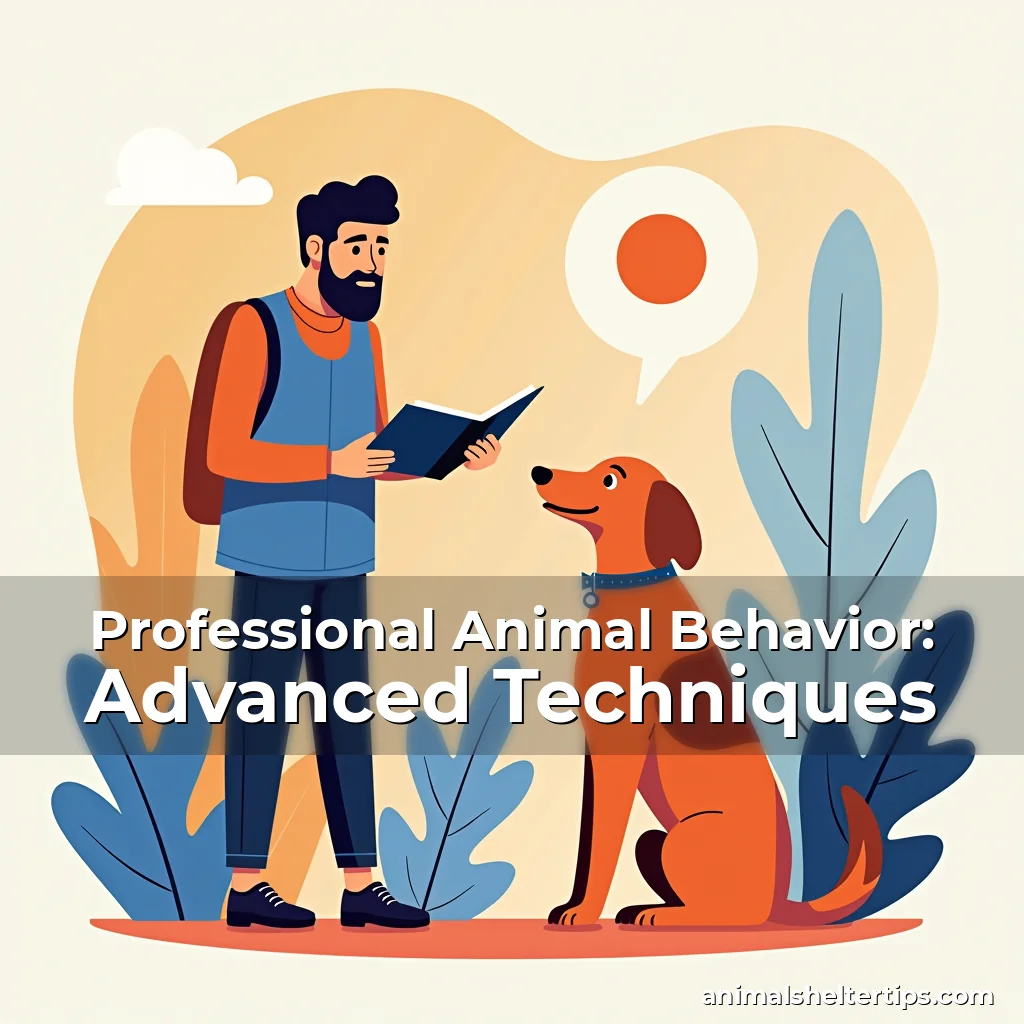
Decoding Animal Behavior: Science Behind Shelter Success
The study of animal behavior is a cornerstone of effective pet care and rescue operations, particularly within animal shelters where diverse species interact daily. Understanding behavioral patterns enables caretakers to address issues ranging from aggression to anxiety, ensuring both human safety and animal well-being.
This guide delves into advanced principles of ethology—the scientific study of animal behavior—with a focus on practical applications in shelter environments. By exploring everything from social hierarchies to problem-solving capabilities, we uncover how these insights shape modern animal welfare practices.
Understanding Instinctual Behaviors
Instinctual behaviors are hardwired responses passed through generations, governing survival mechanisms like hunting, mating, and territorial defense. These automatic reactions often override learned experiences when triggered by specific stimuli.
In shelter settings, recognizing instinctual behaviors is crucial for managing group housing scenarios. Cats may exhibit sudden attacks during feeding times due to ancestral scavenging instincts, while dogs might mark territory despite being spayed/neutered.
- Predatory drive: Many animals display stalking/chasing behaviors rooted in evolutionary advantages, even when prey isn’t present.
- Social bonding: Primates and rodents show complex affiliative gestures indicating trust and hierarchy formation.
Shelters benefit from identifying these natural tendencies early, allowing staff to create appropriate separation protocols and enrichments tailored to species-specific needs.
Dogs brought in with leash reactivity often demonstrate pack leader instincts rather than true aggression. Recognizing this distinction prevents mislabeling and ensures proper rehabilitation approaches.
Recognizing Learned Behavioral Patterns
Learned behaviors develop through experience, including classical conditioning, operant learning, and observational imitation. Shelters frequently encounter animals exhibiting maladaptive behaviors stemming from past negative associations.
A cat displaying fear-based hissing at humans likely experienced traumatic handling episodes. Similarly, a dog showing resource guarding behaviors probably faced food scarcity situations previously.
Cognitive Development Stages
Animal cognitive development follows distinct phases influencing how they acquire new skills. Puppies enter critical socialization periods between weeks 3-14, making early exposure vital for shaping future interactions.
Kittens learn bite inhibition through play-fighting during their first few months, an essential skill for preventing adult-onset aggression problems later in life.
Zookeepers working with primates report that infants exposed to varied textures and materials during developmental stages show enhanced problem-solving abilities as adults.
These findings emphasize the importance of structured enrichment programs tailored to each species’ neuroplasticity windows.
Analyzing Social Structures in Multi-Species Environments
Creating harmonious living conditions requires understanding how different species perceive and respond to social cues. While some animals thrive in communal settings, others require strict isolation to prevent conflict escalation.
Ferrets, for instance, view other small mammals as potential prey, necessitating separate enclosures. Conversely, certain parrot species form lifelong pair bonds that can be disrupted by forced housing changes.
Proper spatial configuration becomes paramount in multi-species facilities. Providing visual barriers while maintaining scent access allows animals to assess threats without direct confrontation.
Regular monitoring of dominance displays—from canine snarls to feline tail flicks—is essential for predicting potential conflicts before they escalate.
Interpreting Communication Systems Across Species
Animals employ sophisticated communication systems combining vocalizations, body postures, chemical signals, and tactile exchanges. Deciphering these messages is fundamental for assessing emotional states and potential hazards.
Canine body language includes subtle indicators like lip licking (stress), pinned ears (fear), or slow blinking (calming). Equines express discomfort through swishing tails or flattened ears, warning signs requiring immediate intervention.
Vocal Cues and Their Significance
Birdsong complexity correlates strongly with cognitive abilities; zebra finches raised in enriched environments develop more intricate melodic patterns than those kept isolated.
Felines use frequency variations in meows to convey urgency levels. Higher-pitched calls typically indicate distress, while lower tones suggest satisfaction or routine greetings.
Mammalian ultrasonic communications reveal hidden aspects of social interaction. Young seals emit high-frequency squeaks to locate mothers underwater, demonstrating specialized sensory adaptations.
These discoveries highlight the value of acoustic monitoring tools in detecting abnormal vocal patterns that might signal illness or psychological distress.
Identifying Stress Indicators in Shelter Animals
Chronic stress manifests differently across species but consistently impacts health outcomes negatively. Early detection through behavioral observation significantly improves adoption success rates.
Common stress markers include repetitive pacing in cats, excessive grooming in rabbits, and self-mutilation in primates. These symptoms often precede physical ailments by several days.
Cage stereotypy—repetitive movements without apparent purpose—is prevalent among confined animals. Rodents engaged in bar-biting behaviors show increased cortisol levels compared to non-stereotypic counterparts.
Environmental modifications like adding puzzle feeders or changing enclosure layouts disrupt established routines, helping reduce compulsive behaviors over time.
Implementing Effective Environmental Enrichment Strategies
Enrichment programming addresses boredom and frustration by providing mental stimulation and fulfilling natural urges. Tailored interventions depend heavily on species-specific requirements and individual preferences.
For arboreal species like marmosets, vertical climbing structures promote exercise while replicating forest canopy navigation challenges. Aquatic animals benefit from current generators simulating river flow patterns.
Scent trails using safe aromatic compounds engage olfactory senses in many mammals. Dogs enjoy tracking games with varying intensities based on their energy levels.
Interactive toys designed for specific breeds encourage problem-solving skills. Retrievers excel with fetch-style puzzles, whereas terriers thrive with buried treat challenges.
Advanced Training Techniques for Behavioral Modification
Positive reinforcement training relies on rewarding desired behaviors rather than punishing unwanted ones. This approach builds trust relationships crucial for successful rehabilitation efforts.
Clicker training enhances precision by marking exact moments of correct responses. When combined with treats, it accelerates learning curves dramatically in most domesticated species.
Target training teaches animals to touch objects with noses or paws, enabling precise control over movement sequences useful in medical examinations or grooming sessions.
Desensitization protocols gradually expose animals to feared stimuli while pairing them with positive experiences. This method effectively reduces phobias and trauma-related responses.
Ethical Considerations in Behavioral Interventions
All behavioral modification attempts must prioritize animal welfare above outcome metrics. Forceful techniques risk causing long-term psychological damage despite temporary compliance gains.
Humane alternatives exist for addressing problematic behaviors. Instead of physical restraint, redirecting attention toward acceptable activities achieves better results with fewer side effects.
Species-appropriate standards govern what constitutes normal conduct. What appears aggressive in one context might simply reflect natural investigative curiosity in another.
Continuous professional education ensures caregivers remain updated on evolving best practices within veterinary medicine and comparative psychology fields.
Building Successful Adoption Outcomes Through Behavior Assessment
Comprehensive behavioral evaluations predict compatibility with prospective homes accurately. Including temperament testing alongside medical exams provides holistic insight into each animal’s needs.
Obedience trials assess trainability levels, while play session observations gauge sociability towards children and other pets. These assessments inform matching decisions systematically.
Video recordings allow repeated analysis of behavior patterns without disrupting naturalistic settings. Observational data reveals consistency that single-time tests might miss.
Transparent documentation shared with adopters fosters realistic expectations, reducing return rates caused by mismatched assumptions about an animal’s capabilities.
Conclusion
Mastering animal behavior science transforms shelter operations from reactive crisis management into proactive wellness promotion. Every interaction becomes an opportunity to apply evidence-based practices enhancing quality of life.
To become proficient in this field, seek ongoing education through certified courses, attend workshops led by veterinary behaviorists, and participate in peer review discussions regularly. Practical application remains key to achieving meaningful progress.

news is a contributor at AnimalShelterTips. We are committed to providing well-researched, accurate, and valuable content to our readers.
You May Also Like


About the Author
news
Related Articles
Shelter Resources: Essential Tools and Resources
May 13, 2026
Quick Shelter Resources Solutions Under 30 Minutes
May 13, 2026
Shelter Resources Best Practices 2025
May 12, 2026