
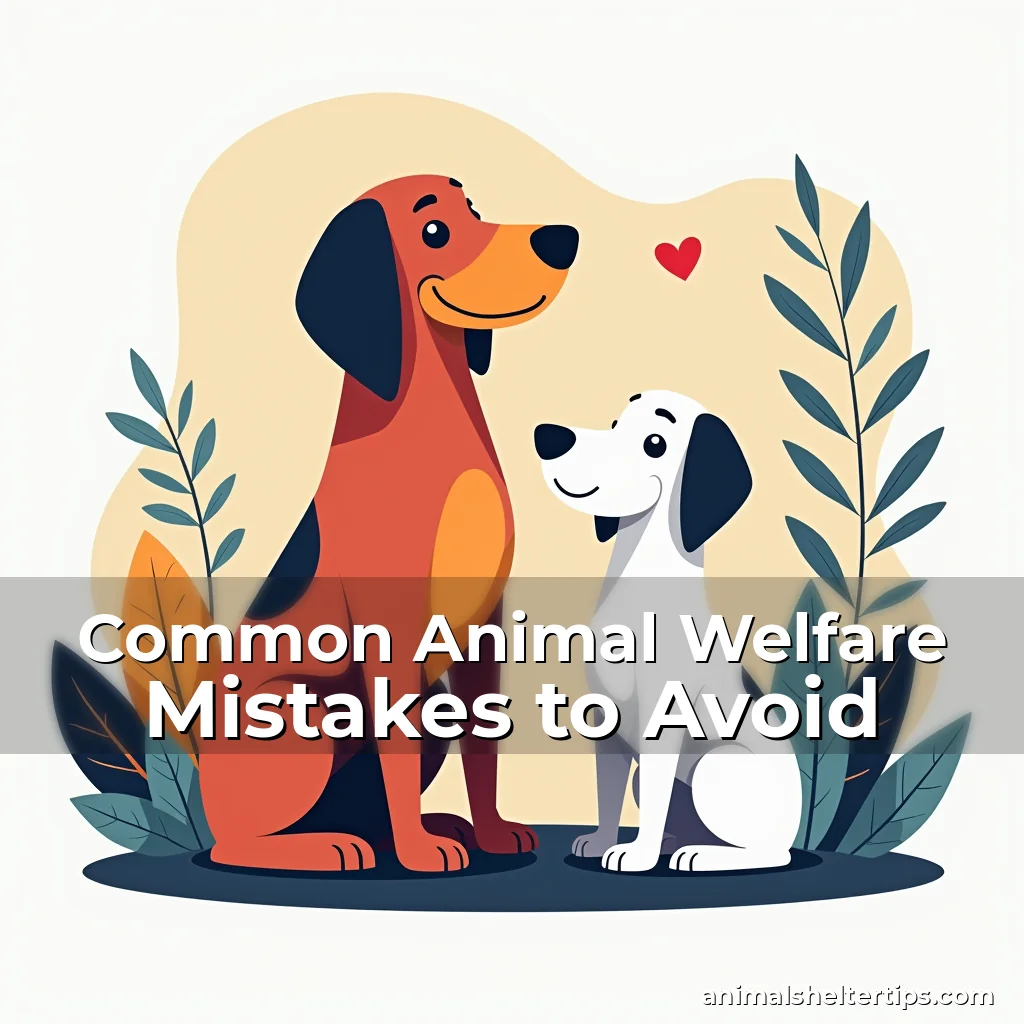
Common Animal Welfare Mistakes to Avoid
Animal welfare is often discussed in broad terms, yet many individuals—and even professionals—in the field overlook fundamental practices that can significantly impact an animal’s well-being. Whether managing a shelter, fostering pets, or simply caring for companion animals, recognizing and addressing common pitfalls is crucial.
This guide highlights recurring errors in animal care, offering practical solutions to enhance quality of life. From basic needs to legal responsibilities, understanding these missteps ensures better outcomes for all creatures involved.
Overlooking Basic Needs
Maintaining an animal’s physical health begins with fulfilling its most immediate requirements. Providing consistent access to clean water and balanced nutrition forms the foundation of proper care. However, neglecting these essentials can lead to severe consequences over time.
Many caregivers fail to recognize how quickly dehydration or malnutrition can manifest. For instance, puppies and kittens require frequent feeding schedules due to their rapid growth rates. A single missed meal may seem insignificant, but prolonged inconsistency results in developmental delays or immune deficiencies.
Frequent reminders:
- Schedule regular check-ins to ensure fresh drinking sources remain available day and night.
- Create portion-controlled meals aligned with species-specific dietary needs rather than relying on instinct alone.
- Monitor weight changes weekly; sudden drops indicate potential underlying health concerns.
Improper Housing Conditions
The environment plays a pivotal role in determining an animal’s comfort level and overall mental state. Many shelters prioritize space over quality when selecting enclosures, assuming larger areas automatically equate to improved living conditions.
While adequate room is necessary, factors like climate control, enrichment options, and safety measures are equally vital. Exposing animals to extreme temperatures disrupts normal physiological functions, potentially causing stress responses or illness outbreaks among groups housed together.
Consider implementing temperature-regulated bedding materials during seasonal transitions. These help mitigate risks associated with cold weather for small mammals or reptiles requiring precise thermal environments.
Climatic Challenges Specific to Certain Species
Different animals exhibit varied sensitivities towards environmental fluctuations. For example, amphibians depend heavily upon humidity levels to regulate respiration effectively. Even minor deviations from ideal ranges could result in skin disorders affecting locomotion abilities.
A recent study published in *Veterinary Science Review* highlighted increased incidences of respiratory infections in feline populations kept near air conditioning units during summer months. While cool air provides relief against heat exhaustion, excessive airflow creates microclimates unsuitable for fur-bearing creatures accustomed to warmer habitats.
Neglecting Social Interaction
Animal sociology reveals complex social structures influencing behavior patterns across various species. Isolating individuals unnecessarily introduces psychological distress akin to human loneliness symptoms observed in clinical settings. Yet, this aspect remains underaddressed despite being crucial to emotional development.
Pack-oriented species such as dogs thrive through regular contact with conspecifics; however, improper pairing strategies may provoke aggression or anxiety attacks. Understanding compatibility factors before introducing new companions prevents hostile encounters that could jeopardize future adoptions opportunities.
Effective bonding techniques:
- Gradual introductions allowing gradual familiarity building between strangers.
- Supervised play sessions fostering positive associations gradually over weeks.
- Recognizing signs of discomfort promptly halts escalation cycles early onset.
Inadequate Healthcare Access
Veterinary care accessibility extends beyond routine visits—it encompasses emergency preparedness protocols too frequently overlooked until crises arise unexpectedly. Establishing relationships with local clinics beforehand streamlines response times dramatically during urgent situations.
Budget limitations sometimes prevent acquiring preventative treatments like vaccinations or parasite control products regularly enough. Delaying preventive measures increases vulnerability periods exposing animals susceptible to contagious diseases spreading rapidly within densely populated facilities.
Creating contingency plans involves researching nearest 24-hour services available during holidays or weekends when standard offices close temporarily. Such foresight reduces panic when unexpected medical needs emerge suddenly.
Poor Handling Techniques During Transportation/Handling
Proper restraint methods minimize injury risks both for handlers and handled animals alike. Many volunteers lack training programs teaching correct lifting procedures resulting in musculoskeletal damage incidents reported annually nationwide veterinary hospitals treating pet injuries caused improperly carried specimens.
Transportation containers also demand careful selection matching size restrictions specific to species transported safely without risk suffocation or escape attempts mid-journey. Using incorrect carriers could precipitate dangerous falls harming fragile joints present particularly young or elderly specimens.
Best practice checklist:
- Select carriers with ventilation holes sufficient for respective breath capacities measured scientifically.
- Use padding materials absorbent spills containing enzymes neutralizing odors attracting predators nearby roadsides frequented wildlife corridors.
- Lift from body support areas rather than scruffing neck regions inducing trauma nerve pathways leading chronic pain syndromes later stages life cycle progression.
Misunderstanding Legal Protections & Rights
Familiarity laws governing animal treatment varies considerably between jurisdictions globally necessitating awareness local regulations applicable regional contexts prior initiating activities involving non-human entities legally recognized protected statuses.
Some communities enforce stringent leash laws mandating public walks utilizing harness designs minimizing pressure distribution points reducing likelihood slips causing abrasions injuries vulnerable joints particularly elbow/knee joints prone dislocation events during mishandling episodes.
Educational resources outlining municipal codes conveniently accessible online portals reduce liability exposures arising unintentional violations ignorance legal frameworks. Engaging pro bono attorneys specializing animal rights litigation assists navigating complicated clauses protecting both caretakers’ interests animal subjects’ entitlements.
Ineffective Adoption Practices Post-Sheltering
Post-adoption monitoring represents final phase integration process ensuring smooth transition adopted pets acclimate successfully domestic living circumstances distinct shelters providing controlled atmospheres limiting stimuli external influences.
Insufficient preparation orientations leaving families unprepared handling behavioral quirks peculiar individual personalities leads high return rates observed industry surveys documenting average seven percent failure ratio attributed primarily mismatch expectations lifestyles conflicting preferences owners guardians.
Preventing mismatches involves thorough screening processes evaluating households thoroughly assessing capacity commitment levels alongside temperament assessments measuring compatibility indices mathematically calculated formulas correlating scores stability indicators household dynamic balance achieved.
Conclusion
Awareness common mistakes impacting animal wellbeing empowers caregivers make informed decisions prioritizing welfare consistently. By adopting proactive approaches rectifying identified shortcomings, we foster healthier happier lives shared among humans and their furry friends.
Take action today reviewing current practices identifying areas improvement applying knowledge gleaned guiding principles advocated throughout this discourse safeguarding beloved companions tomorrow’s futures bright promises fulfilled responsibly diligently executed daily interactions shaping lasting bonds cherished memories created side-by-side experiences transformed ordinary moments extraordinary milestones reached collectively enduring legacies passed forward generations yet unborn awaiting nurturing guidance patient hands willing hearts opening doors welcoming miracles entering world everyday.

news is a contributor at AnimalShelterTips. We are committed to providing well-researched, accurate, and valuable content to our readers.
You May Also Like


About the Author
news
Related Articles
Best Spay And Neuter Programs Tips and Strategies
June 7, 2026
Pet Rehabilitation: Essential Tools and Resources
June 6, 2026