
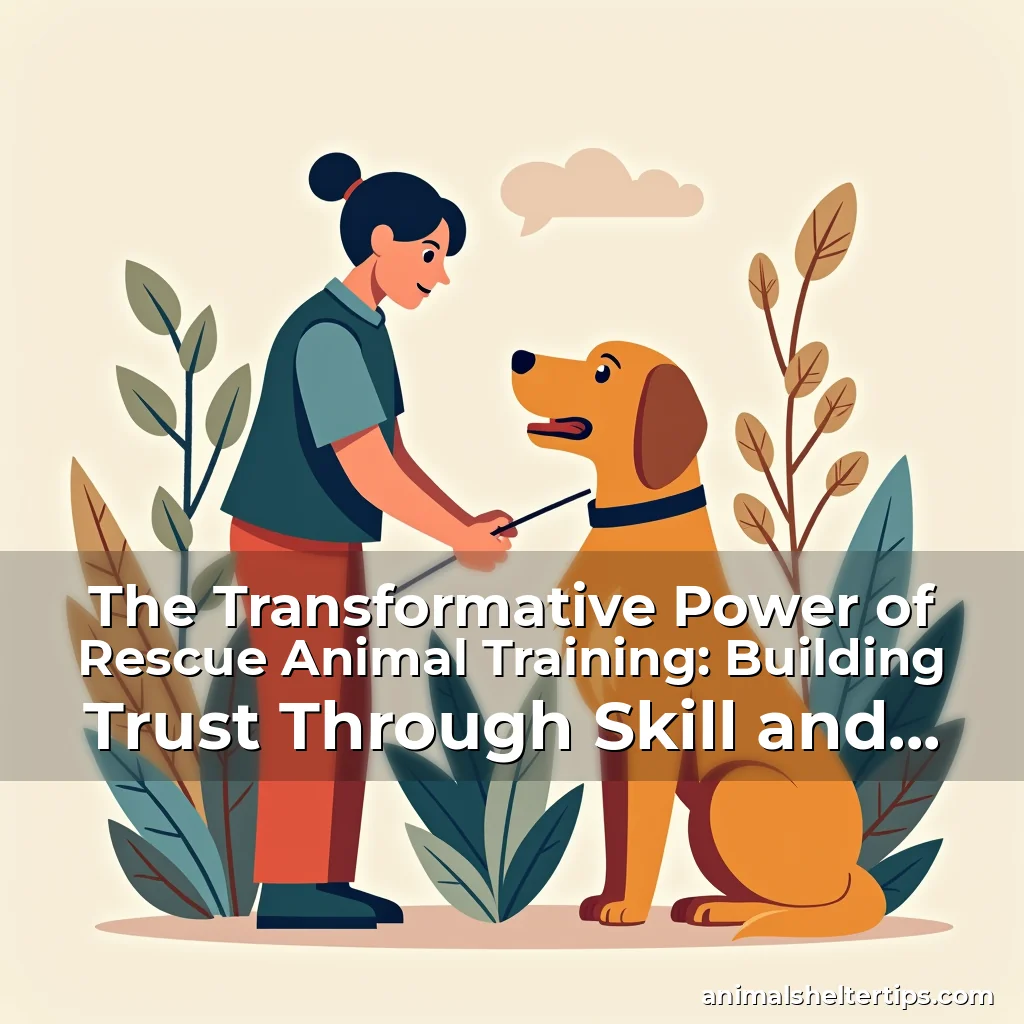
The Transformative Power of Rescue Animal Training: Building Trust Through Skill and Compassion
In an era where millions of animals find themselves displaced due to abandonment, neglect, or natural disasters, rescue animal training emerges as a vital bridge between their past traumas and future possibilities. This specialized field goes beyond basic obedience; it’s about rebuilding trust, fostering emotional resilience, and unlocking the potential within every rescued creature.
Rescue animal training is not merely about teaching commands—it’s an intricate process that addresses behavioral issues rooted in fear, confusion, or pain while nurturing new skills that enable these animals to thrive in human care environments. From shelter volunteers to professional trainers, each individual plays a crucial role in this transformative journey.
Fundamental Principles of Effective Rescue Animal Training
At its core, successful rescue animal training hinges on understanding the psychological needs of traumatized animals. Unlike pets raised in stable homes, rescued animals often arrive with complex histories that shape their responses to stimuli and social interactions.
Positive reinforcement techniques become especially critical when working with animals who have experienced negative encounters. By associating good experiences with learning opportunities, trainers can gradually help them overcome fears and develop confidence.
- Patience: Rescued animals may require significantly longer adjustment periods than adopted pets, demanding unwavering patience from caregivers
- Consistency: Uniformity in handling routines helps establish security and predictability essential for recovery
- Sensitivity: Recognizing subtle body language cues allows trainers to adjust methods based on individual comfort levels
Awareness of environmental factors also influences training effectiveness. Elements such as noise sensitivity, visual triggers, and spatial awareness must be considered during sessions to avoid overwhelming the animal.
Building rapport through gentle interaction lays the foundation for any training program. Simple gestures like offering treats, speaking softly, and allowing physical contact at the animal’s pace create initial trust connections.
Crafting Individualized Training Plans
Each rescued animal presents a unique set of challenges requiring customized approaches. While some may benefit from intensive desensitization programs, others might need gradual exposure therapy tailored to their specific trauma history.
Veterinary assessments play a crucial role in developing effective plans. Medical conditions affecting mobility, cognition, or sensory perception can greatly influence which training methodologies will be most beneficial.
Evaluating Behavioral Patterns
Professional evaluators use standardized observation protocols to identify patterns in behavior that indicate underlying issues. These evaluations typically involve monitoring reactions to various stimuli over extended periods.
Data collected from these observations informs the creation of targeted intervention strategies. For example, an animal showing extreme anxiety around sudden noises might receive progressive sound desensitization exercises.
The Role of Professional Trainers vs. Volunteer Efforts
While volunteer involvement is invaluable, professional trainers bring specialized expertise necessary for addressing complex behavioral problems common among rescue animals. Their experience enables them to recognize signs of post-traumatic stress disorder in non-verbal species.
Professionals are trained to implement evidence-based techniques proven effective across different animal species. They understand how to modify environments to reduce stressors while facilitating positive associations with people and objects.
Volunteers contribute by providing consistent daily engagement that reinforces what professionals teach. Their presence helps maintain continuity in training regimens even outside formal sessions.
This collaborative model ensures that animals receive both expert guidance and ongoing support from compassionate individuals committed to their well-being.
Common Challenges in Rescue Animal Rehabilitation
One significant challenge involves overcoming deeply ingrained flight responses developed as survival mechanisms. Animals conditioned to flee from perceived threats may initially resist forming bonds with humans.
Lack of socialization during early development stages poses another hurdle. Many rescue animals have limited experience interacting with other creatures, making group settings particularly stressful.
Differentiating between learned behaviors and innate instincts requires careful assessment. What appears as aggression could actually stem from fear rather than malice.
Persistent medical issues complicate rehabilitation efforts. Chronic pain or neurological disorders may manifest as irritability or uncooperative behavior despite appropriate training interventions.
Creating Safe Environments for Successful Rehabilitation
Designing spaces that minimize stress is fundamental to effective training. Shelter layouts should allow for quiet retreat areas alongside communal zones promoting controlled socialization.
Environmental enrichment activities stimulate mental engagement without causing overwhelm. Rotational access to toys, scent trails, and puzzle feeders keeps animals mentally active while reinforcing problem-solving skills.
Lighting considerations play an unexpected but important role. Natural light cycles help regulate circadian rhythms, improving overall mood stability and trainability.
Noise control measures prevent unnecessary stimulation. Soundproofing materials or designated quiet hours ensure animals aren’t constantly exposed to high-decibel environments.
Advanced Techniques in Rescue Animal Behavior Modification
Counter-conditioning approaches prove highly effective for changing negative associations. Gradually pairing frightening stimuli with positive experiences helps rewire neural pathways responsible for fearful responses.
Clicker training enhances precision in marking desired behaviors. The audible click serves as an immediate signal that correct actions lead to rewards, accelerating learning processes.
Target training develops voluntary participation in therapeutic exercises. Teaching animals to touch specific targets builds cooperation that facilitates veterinary examinations and grooming sessions.
Desensitization protocols systematically expose animals to feared items or situations at tolerable intensity levels, slowly increasing exposure thresholds over time.
Measuring Progress and Adjusting Strategies
Regular progress assessments track improvements in behavior, social adaptability, and emotional regulation. Objective metrics combined with qualitative observations provide a complete picture of development.
Maintaining detailed records allows for identifying trends that inform strategy adjustments. Documented changes in response times or trigger sensitivities guide refinement of training approaches.
Flexibility remains key throughout the process. As animals evolve, so too must the methods used to engage and educate them effectively.
Periodic reassessments ensure continued relevance of current techniques. What worked six months ago might need modification now due to developmental shifts or changed circumstances.
The Impact of Rescue Animal Training on Adoption Success Rates
Comprehensive training programs dramatically increase adoption probabilities by preparing animals for life in permanent homes. Well-socialized pets demonstrate better compatibility with families of varying compositions.
Animals displaying reliable house manners and basic obedience show greater adaptability to household routines. These traits make them more attractive candidates for potential adopters.
Behavioral consistency reduces return rates, benefiting both shelters and new owners. Pets that remain calm in novel situations tend to form stronger bonds with their human companions.
Training outcomes correlate strongly with long-term pet retention. Families report higher satisfaction levels with animals exhibiting predictable, manageable behaviors.
Community Involvement and Education Initiatives
Public education campaigns raise awareness about proper handling techniques for newly adopted animals. Workshops covering topics like crate training and leash etiquette empower new guardians with essential knowledge.
Volunteer programs offer hands-on learning experiences that deepen community connection to rescue causes. Participants gain firsthand insight into the complexities involved in rehabilitating traumatized animals.
School outreach programs introduce children to responsible pet ownership principles through interactive demonstrations featuring trained rescue animals.
Collaborations with local businesses foster corporate responsibility initiatives focused on supporting animal welfare organizations through donations or service partnerships.
Future Directions in Rescue Animal Training Innovations
Ongoing research explores the application of virtual reality technology in creating safe simulation environments for behavioral conditioning. These immersive experiences allow controlled exposure to real-world scenarios without actual risk.
Biofeedback devices monitor physiological indicators during training sessions, enabling precise calibration of stimulus intensities based on an animal’s stress responses.
Telemedicine platforms expand access to specialist consultations, ensuring remote facilities can still receive expert guidance for complex cases.
Data analytics tools facilitate pattern recognition across large datasets, helping identify best practices that yield optimal results consistently across diverse populations.
Conclusion
Rescue animal training represents much more than mere instruction—it embodies compassion, scientific understanding, and unwavering commitment to transforming lives. Every session holds the potential to reshape futures, turning moments of uncertainty into lasting bonds of trust.
By embracing innovative techniques and maintaining steadfast dedication, we continue to build bridges between rescued animals and the loving homes they deserve. With every step forward in our collective efforts, we move closer to a world where every animal finds safety, belonging, and opportunity through thoughtful, purposeful training.

news is a contributor at AnimalShelterTips. We are committed to providing well-researched, accurate, and valuable content to our readers.
You May Also Like


About the Author
news
Related Articles
Shelter Resources: Essential Tools and Resources
May 13, 2026
Quick Shelter Resources Solutions Under 30 Minutes
May 13, 2026
Shelter Resources Best Practices 2025
May 12, 2026