
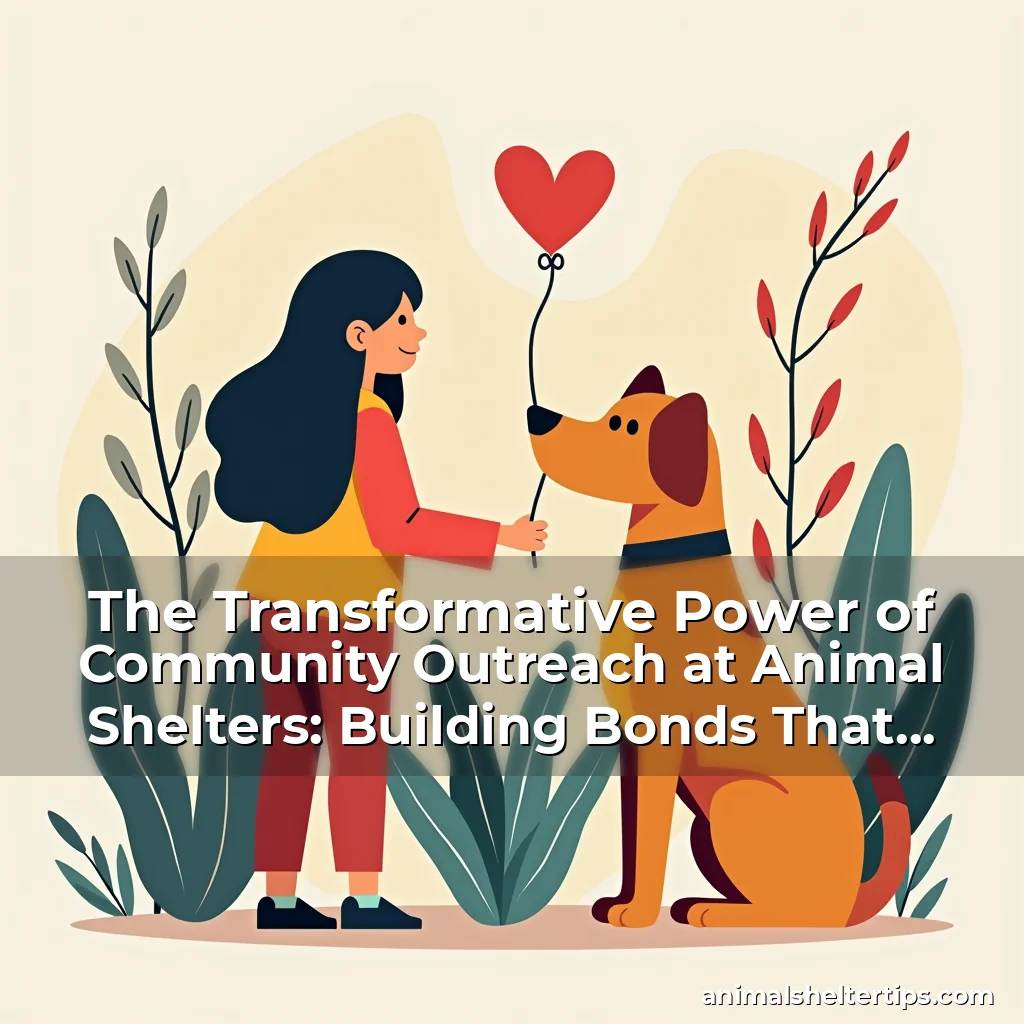
The Transformative Power of Community Outreach at Animal Shelters: Building Bonds That Change Lives
In an era where pet ownership has reached unprecedented levels, the role of community outreach programs within animal shelters is evolving beyond traditional adoption services. These initiatives are now serving as vital bridges between communities and animals in need, creating opportunities that extend far beyond simple adoptions.
Modern shelter outreach efforts encompass everything from mobile vaccination clinics to educational workshops, demonstrating how proactive engagement can significantly reduce stray populations while fostering responsible pet ownership practices among residents.
Fostering Lasting Connections Through Community Engagement
Successful community outreach begins with understanding local demographics and identifying unmet needs. Shelters must conduct thorough assessments of their service areas to determine which neighborhoods require additional resources such as low-cost veterinary care or spay/neuter assistance.
This approach ensures that outreach efforts remain relevant and impactful rather than becoming isolated events that fail to address systemic issues affecting both pets and people alike.
By developing targeted strategies based on data-driven analysis, shelters create sustainable solutions that resonate deeply with diverse community members. For example, urban centers might prioritize food bank partnerships while rural regions could benefit more from mobile clinic deployments.
- Demographic research: Understanding age distribution helps tailor programs to different family structures and lifestyles
- Economic indicators: Identifying areas with high poverty rates enables better allocation of subsidized services
- Transportation access: Mapping public transit routes informs decisions about mobile unit locations
A recent survey by the American Society for the Prevention of Cruelty to Animals found that shelters implementing targeted outreach saw a 38% increase in community participation over two years compared to those using general approaches.
Bridging Generational Gaps Through Intergenerational Programs
Intergenerational outreach initiatives have proven particularly effective in building long-term relationships between shelters and communities. These programs pair seniors with children through activities like reading sessions with therapy animals or collaborative art projects involving shelter pets.
Scholarship-funded internships for college students provide another avenue for meaningful interaction, allowing young professionals to gain hands-on experience while contributing fresh perspectives to established organizations.
These initiatives not only strengthen community ties but also help combat social isolation among vulnerable groups ranging from elderly individuals living alone to teenagers seeking mentorship opportunities.
Animal-assisted therapy programs have shown remarkable results in nursing homes, with studies indicating improved mood stability and increased physical activity among participants engaged regularly with trained therapy animals.
Cultivating Pet Ownership Responsibility Through Educational Campaigns
Community education remains a cornerstone of successful outreach strategies. Effective campaigns combine informative materials with interactive experiences that make learning about responsible pet ownership both accessible and enjoyable.
Workshops covering topics like proper nutrition, basic grooming techniques, and behavioral training offer practical knowledge that empowers new pet owners. These sessions often include live demonstrations featuring shelter animals who serve as real-life examples during instruction.
Virtual reality experiences allow participants to simulate emergency situations they might encounter with their pets, reinforcing preparedness without putting actual animals at risk. This innovative approach makes complex subjects more digestible for various learning styles.
Data shows that shelters offering consistent educational programming see a 45% reduction in returns due to behavioral issues after six months of implementation. This demonstrates the tangible impact of informed decision-making on long-term pet retention rates.
Leveraging Technology for Expanded Reach
Digital platforms have revolutionized community outreach capabilities, enabling shelters to connect with audiences previously difficult to reach. Social media campaigns, online donation drives, and virtual volunteering options now form essential components of modern outreach strategies.
Videos showcasing daily life at shelters humanize animals waiting for forever homes while simultaneously educating viewers about common misconceptions regarding pet care. Live streaming feeding times or adoption events creates immersive experiences that foster emotional connections across geographical barriers.
Mobile applications facilitate micro-donations and instant message support systems, making it easier for busy individuals to contribute meaningfully even when time constraints limit direct involvement. These tools democratize participation by lowering entry barriers to community engagement.
Shelters utilizing digital outreach report a 62% average increase in volunteer sign-ups and a 55% rise in spontaneous donations since adopting these technologies three years ago according to industry reports.
Building Resilience Through Emergency Preparedness Initiatives
Comprehensive community outreach includes preparing for natural disasters and other emergencies that disproportionately affect pets and their families. Establishing clear protocols for evacuations and temporary housing becomes crucial during crises.
Training volunteers in disaster response scenarios equips them to assist stranded pets effectively while maintaining safety standards. Partnerships with local emergency management agencies ensure coordinated efforts that protect both humans and animals alike.
Specialized kits containing essentials like leashes, water containers, and identification tags become lifelines during evacuations. Distributing these pre-assembled packages ahead of storm seasons prevents last-minute scrambling that could endanger vulnerable animals.
Post-disaster recovery programs focusing on mental health support for traumatized pets demonstrate the importance of holistic care in rebuilding affected communities. These multifaceted approaches showcase the depth required in truly comprehensive outreach efforts.
Creating Sustainable Futures Through Youth Development
Youth-focused outreach programs play a pivotal role in shaping future attitudes toward animal welfare. Summer camps combining fun activities with educational components teach children about compassion, responsibility, and environmental stewardship through hands-on experiences with shelter animals.
Service-learning projects integrate academic curricula with community work, providing structured environments where students apply classroom knowledge while making positive contributions to society. This dual-purpose model enhances educational outcomes while promoting civic engagement.
Peer mentoring programs enable older teens to guide younger counterparts through animal-related challenges, fostering leadership skills alongside empathy development. These intergenerational exchanges cultivate lasting bonds within the community.
Studies indicate that youth participating in sustained animal welfare programs show higher levels of pro-social behavior and lower incidence of bullying behaviors later in adolescence and adulthood.
Measuring Impact Through Data-Driven Evaluation
Rigorous evaluation frameworks are essential for refining outreach strategies and maximizing effectiveness. Tracking metrics related to program participation, resource utilization, and outcome measures provides invaluable insights for continuous improvement.
Surveys administered before and after program implementations reveal shifts in participant attitudes and knowledge acquisition levels. Analyzing this data allows organizers to identify strengths and weaknesses in current initiatives.
Comparative analyses between different outreach models help determine which approaches yield the best results under varying conditions. This evidence-based methodology ensures resources are allocated wisely towards proven successes.
Regular stakeholder feedback loops incorporating input from volunteers, donors, and community members create dynamic systems capable of adapting to changing circumstances and emerging needs.
Conclusion
Effective community outreach at animal shelters represents a powerful force for change, transforming not only individual lives but entire communities through thoughtful engagement and strategic collaboration.
As we continue to develop innovative approaches to connecting with our neighbors, remember that every effort – whether big or small – contributes to creating safer, kinder societies where all creatures can thrive together.

news is a contributor at AnimalShelterTips. We are committed to providing well-researched, accurate, and valuable content to our readers.
You May Also Like


About the Author
news
Related Articles
Shelter Resources: Essential Tools and Resources
May 13, 2026
Quick Shelter Resources Solutions Under 30 Minutes
May 13, 2026
Shelter Resources Best Practices 2025
May 12, 2026