
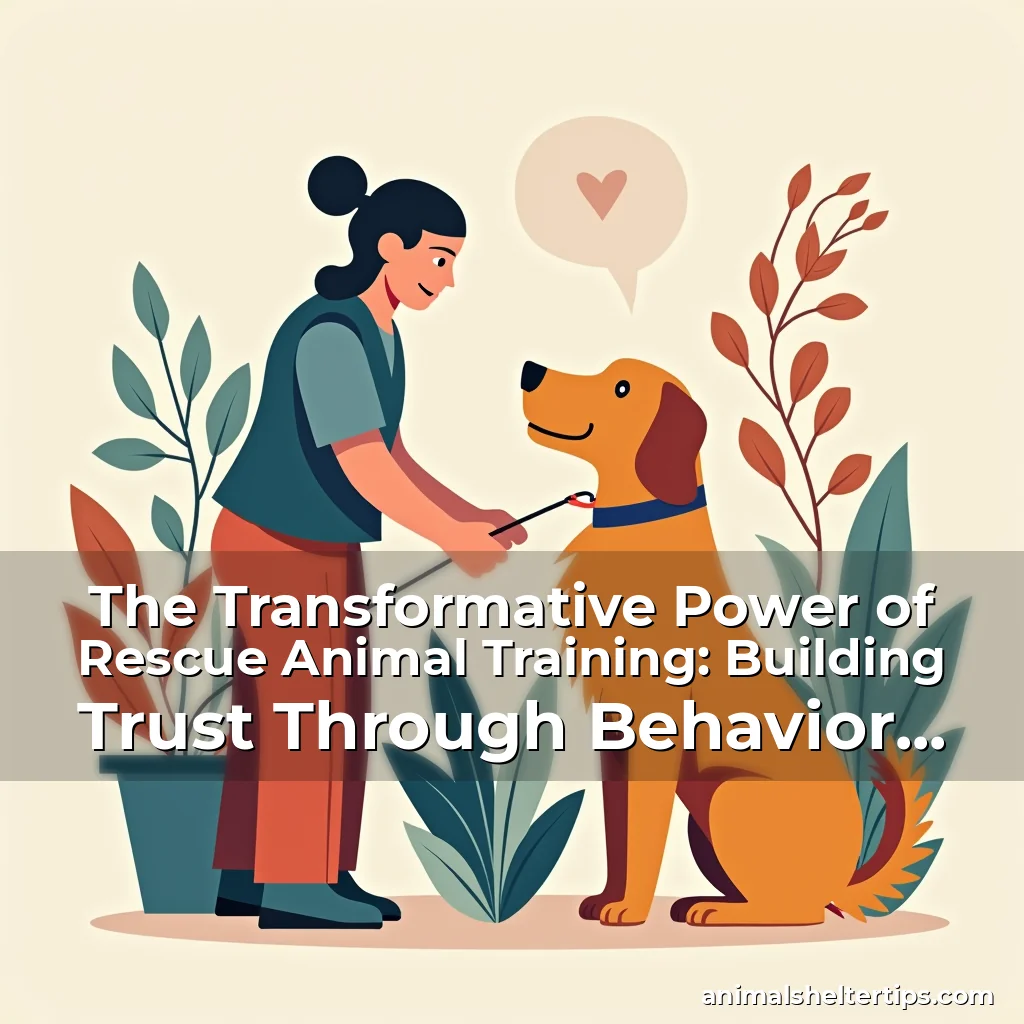
The Transformative Power of Rescue Animal Training: Building Trust Through Behavior Modification
In an era where over 6 million companion animals enter shelters annually, effective rescue animal training emerges as a vital tool for both saving lives and fostering lasting human-animal bonds.
This guide explores how structured behavioral modification programs can transform fearful strays, neglected pets, and traumatized survivors into well-adjusted companions capable of thriving in new homes.
Fundamental Principles of Effective Rescue Animal Training
Successful rehabilitation begins with understanding that each rescued animal carries a unique history shaped by their past experiences. This foundation informs every aspect of the training process, from initial handling to long-term socialization efforts.
Veterinary professionals emphasize that trauma-informed approaches must prioritize safety at every stage. Handlers are trained to recognize stress signals through subtle body language changes such as flattened ears, tucked tails, and avoidance behaviors.
- Patience is paramount: Recovery timelines vary dramatically depending on the severity of neglect or abuse experienced
- Positive reinforcement works best: Reward-based systems build trust faster than punitive measures which may exacerbate anxiety
Evaluating Behavioral Needs Upon Intake
Comprehensive assessments form the cornerstone of successful reintegration programs. Trained staff use standardized checklists to evaluate factors ranging from basic obedience skills to complex emotional responses during interactions with humans and other animals.
Sophisticated evaluation tools include temperament testing protocols developed by organizations like the ASPCA, which measure reaction patterns when exposed to novel stimuli such as loud noises or sudden movements.
Identifying Trauma Symptoms in Rescued Animals
Experts note that approximately 80% of shelter dogs exhibit signs of post-traumatic stress following abandonment or mistreatment. These symptoms manifest differently across species – cats often display catatonia while dogs might show aggression toward unfamiliar people.
Recognizing these indicators early enables caregivers to implement targeted interventions. For example, cats showing extreme fearfulness benefit most from gradual desensitization techniques rather than forced interaction attempts.
Creating Safe Environments for Rehabilitation
Designing appropriate living spaces plays a crucial role in recovery. Enclosures must balance security with opportunities for exploration, featuring hiding spots, elevated resting areas, and designated feeding zones.
Pet behaviorists recommend using scent diffusers with calming pheromones to reduce generalized anxiety. The American Veterinary Society of Animal Behavior reports that these products can decrease stress-related destructive behaviors by up to 40%.
Foundational Training Techniques for Rescuers
Basic command work forms the first step towards establishing communication with newly arrived animals. Simple exercises like hand targeting help build confidence without overwhelming nervous individuals.
Clicker training proves particularly effective for animals displaying low motivation levels. This method allows handlers to precisely mark desired behaviors even when animals appear unresponsive to traditional verbal cues.
- Desensitization methods: Gradual exposure to triggers helps animals develop healthier coping mechanisms
- Crate training benefits: Provides secure spaces for anxious animals while teaching them safe confinement habits
Addressing Common Behavioral Challenges
Aggression issues require specialized attention, especially when rooted in territorial instincts or previous negative encounters. Certified trainers employ systematic counter-conditioning approaches to modify hostile reactions.
Bowel and bladder control problems frequently arise due to disrupted routines or psychological distress. Consistent house-training schedules combined with positive reinforcement significantly increase success rates in these cases.
Managing Fear-Based Aggression
Research indicates that fear-aggressive dogs respond better to low-stress environments and slow-paced interactions. Using food rewards to associate positive experiences with approaching humans can gradually rebuild trust.
Professional intervention becomes necessary when aggressive outbursts occur repeatedly despite consistent management strategies. Board-certified veterinary behaviorists provide tailored treatment plans incorporating medication when appropriate.
Building Social Skills Through Structured Interaction
Controlled play sessions teach animals how to interact appropriately with both canine and feline companions. Supervised introductions allow gradual bonding while minimizing potential conflicts.
Shelters increasingly use enrichment activities to foster natural social behaviors. Interactive toys, puzzle feeders, and multi-level climbing structures encourage problem-solving abilities essential for group living situations.
Preparing Animals for Adoption Success
Adoption readiness assessments ensure animals receive suitable matches based on personality compatibility and lifestyle requirements. Comprehensive profiles highlight key traits that influence suitability for different households.
Training workshops conducted before placement equip adopters with practical skills. Topics range from managing separation anxiety to implementing effective recall commands during walks.
Nurturing Long-Term Human-Animal Bonds
Ongoing support networks remain critical after adoption. Many shelters maintain follow-up contact with adoptive families to address any emerging concerns promptly. Regular check-ins help reinforce positive behaviors established during the transition period.
Community involvement fosters continued engagement through volunteer programs, fundraising events, and educational outreach initiatives. These activities strengthen public awareness about responsible pet ownership practices.
The Future of Rescue Animal Training
Advancements in neuroscience are reshaping our understanding of animal cognition, leading to more sophisticated training methodologies. Brain imaging studies reveal fascinating insights about learning processes previously misunderstood in non-human species.
Digital technology integration promises transformative improvements. Virtual reality simulations enable controlled environmental exposures, while mobile apps track progress metrics providing real-time feedback for caregivers and adopters alike.
Conclusion
Rescue animal training represents much more than simple obedience instruction; it’s about healing deep-seated fears and rebuilding shattered trust through compassionate guidance.
By embracing science-backed methods and maintaining unwavering patience, we create pathways for rescued animals to lead fulfilling lives alongside loving human companions who appreciate their journey from hardship to happiness.

news is a contributor at AnimalShelterTips. We are committed to providing well-researched, accurate, and valuable content to our readers.
You May Also Like



About the Author
news
Related Articles
Best Spay And Neuter Programs Tips and Strategies
June 7, 2026
Pet Rehabilitation: Essential Tools and Resources
June 6, 2026