
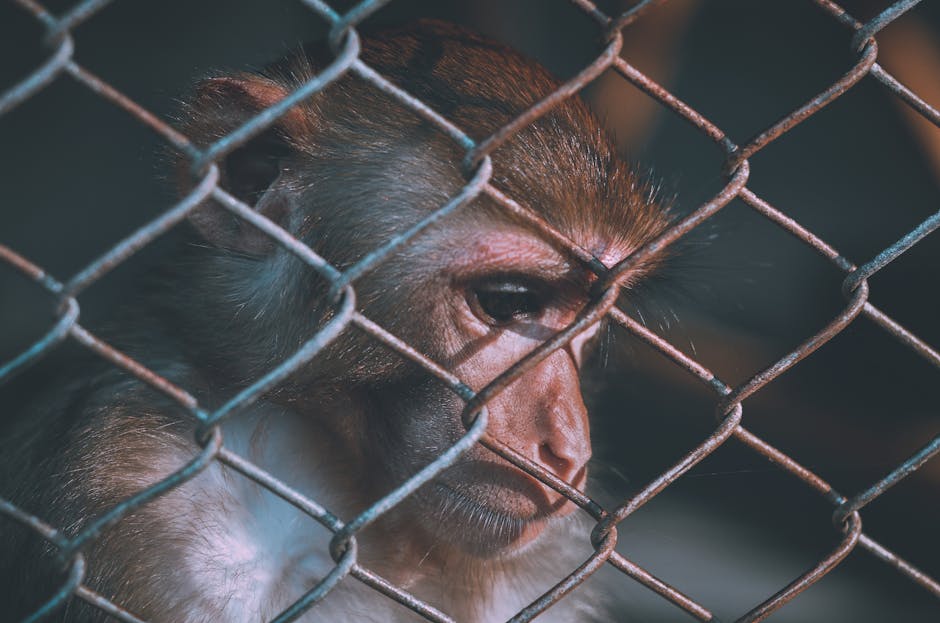
The Ethical Imperative of Animal Welfare: A Compassionate Approach to Protecting All Species
In an era where human activity increasingly impacts ecosystems and wildlife populations, understanding and prioritizing animal welfare has become more critical than ever. From domestic pets to endangered species, every living being deserves respect and protection from harm.
This article explores the multifaceted concept of animal welfare, delving into its ethical foundations, practical applications across various settings, and the collective responsibility we share in ensuring the well-being of animals everywhere.
The Foundations of Animal Welfare Ethics
Animal welfare ethics is rooted in the recognition that non-human beings possess intrinsic value independent of their utility to humans. This perspective challenges traditional views that see animals solely as resources for food, labor, or entertainment.
Ethologists and philosophers have long debated what constitutes humane treatment. While some argue for strict utilitarian approaches focusing on minimizing suffering, others advocate for rights-based frameworks recognizing animals’ inherent worth.
Modern interpretations often blend these perspectives, emphasizing both the prevention of unnecessary pain and the promotion of positive experiences for animals under human care.
Cultural attitudes significantly influence how societies define and implement animal welfare standards. In many Western countries, legal protections for companion animals are robust, while factory farming practices remain controversial due to differing economic priorities.
Key principles guiding contemporary animal welfare discussions include:
- Avoidance of cruelty: Prohibiting acts that cause undue physical or psychological distress to animals
- Promotion of natural behaviors: Ensuring environments allow for instinctive activities like social interaction and exploration
- Sustainable coexistence: Balancing human needs with ecological integrity through responsible resource management
- Education and awareness: Empowering individuals to make informed choices affecting animal lives
Legal Frameworks Shaping Modern Animal Protection
National governments play a crucial role in establishing minimum standards for animal treatment. Legislation varies widely but generally covers areas such as pet ownership responsibilities, agricultural practices, and research protocols involving animals.
Landmark laws like the Humane Slaughter Act in the United States demonstrate how policy can reduce animal suffering during commercial processing. However, enforcement remains uneven across jurisdictions and industries.
In Europe, the European Convention for the Protection of Animals Kept for Farming Purposes sets stricter guidelines regarding housing conditions, veterinary care, and slaughter methods compared to many other regions.
Multinational organizations like the World Organisation for Animal Health (WOAH) work to standardize global best practices while respecting local cultural contexts and economic realities.
Different sectors require tailored regulatory approaches:
- Farm animals: Regulations focus on preventing overcrowding, providing adequate nutrition, and minimizing transportation stress
- Laboratory animals: Standards emphasize enrichment, pain control, and alternatives to invasive procedures when feasible
- Companion animals: Laws typically address spaying/neutering requirements, leash regulations, and mandatory identification measures
- Wildlife conservation: Protocols govern habitat preservation, anti-poaching efforts, and rehabilitation programs for injured animals
The Science Behind Assessing Animal Well-Being
Veterinary science provides essential tools for evaluating animal health and happiness. Researchers use objective indicators to measure physiological responses associated with discomfort or contentment.
Biochemical markers such as cortisol levels reveal stress states, while behavioral observations help identify abnormal patterns indicative of poor welfare conditions. These assessments inform improvements in husbandry practices across different environments.
Commonly used assessment techniques include:
- Physiological measurements: Tracking heart rate variability, body temperature fluctuations, and hormone concentration changes
- Behavioral analysis: Studying feeding habits, sleep cycles, and social interactions to detect anomalies
- Environmental monitoring: Evaluating space availability, cleanliness levels, and access to enrichment materials
- Neurological evaluations: Using brain imaging technologies to understand cognitive processes related to fear or pleasure
Advances in technology continue improving our ability to assess and enhance animal welfare. Wearable sensors now monitor vital signs continuously, enabling real-time adjustments to care routines based on individual needs.
Domestic Pet Care: Responsibilities Beyond Basic Needs
Caring for household pets involves more than simply providing food and shelter. Responsible guardianship requires understanding each animal’s unique temperament and requirements.
Regular veterinary check-ups prevent diseases before they become severe. Vaccinations protect against contagious illnesses that could spread within communities or endanger wild populations.
Proper exercise regimens maintain physical fitness and mental stimulation, reducing destructive behaviors caused by boredom or anxiety. Interactive toys and puzzle feeders encourage natural problem-solving instincts.
Essential elements of quality pet care include:
- Dietary considerations: Tailoring meals according to age, breed-specific needs, and potential allergies
- Housing arrangements: Providing safe spaces that accommodate resting, playing, and eliminating comfortably
- Socialization opportunities: Exposing young animals to diverse people, places, and creatures safely
- End-of-life decisions: Making compassionate choices regarding euthanasia when medical treatments fail
Wildlife Conservation: Preserving Biodiversity Through Ethical Practices
Protecting native species requires addressing threats ranging from habitat destruction to illegal trade. Effective conservation strategies must balance ecological concerns with local community interests.
Reintroduction programs successfully restore populations of endangered animals to suitable habitats after periods of decline. These initiatives demand careful planning to avoid disrupting existing ecosystem dynamics.
Successful conservation outcomes depend on several factors:
- Scientific research: Long-term studies tracking population trends and genetic diversity
- Community engagement: Educating local residents about sustainable land-use practices that benefit both people and wildlife
- Policy implementation: Enforcing laws protecting critical habitats from development pressures
- International cooperation: Sharing knowledge and resources between nations working toward common environmental goals
Tourism can either support or undermine wildlife conservation depending on how it’s managed. Eco-tourism initiatives that prioritize minimal disturbance offer financial incentives for preserving natural reserves without exploiting animals.
Factory Farming Reforms: Toward More Humane Agricultural Systems
Industrial livestock operations face increasing scrutiny over their impact on animal welfare. Consumers demand greater transparency regarding farm conditions and treatment protocols.
Free-range systems allow birds to roam outdoors, although definitions vary widely among producers claiming this label. Certification programs help consumers identify genuinely humane options available in markets today.
Emerging innovations aim to improve farmed animal conditions:
- Alternative protein sources: Lab-grown meat and plant-based substitutes reduce dependency on conventional farming models
- Improved housing designs: Enriched environments promoting natural behaviors like pecking, scratching, and nesting
- Veterinary advancements: Enhanced disease prevention techniques lowering mortality rates in production facilities
- Traceability systems: Digital records tracking each animal’s life history to ensure compliance with welfare standards
While progress continues, significant challenges remain in implementing widespread reforms. Economic incentives currently favor intensive farming methods over more expensive humane alternatives.
Emergency Response and Disaster Preparedness for Animals
During crises like wildfires, hurricanes, or pandemics, special attention must be given to vulnerable animal populations. Emergency plans need to account for both domesticated and free-ranging creatures.
Shelters prepare dedicated spaces for pets displaced by disasters, while wildlife agencies rescue stranded marine mammals or migratory birds affected by extreme weather events.
Effective disaster response includes:
- Preparedness education: Teaching pet owners about emergency kits containing food, water, medications, and ID information
- Evacuation planning: Establishing routes and shelters specifically designed for transporting animals safely
- Rapid deployment teams: Trained responders equipped to handle distressed animals in high-stress situations
- Post-crisis recovery: Providing veterinary services and temporary housing until permanent solutions emerge
Climate change exacerbates the frequency and intensity of natural disasters, making proactive preparation even more essential for safeguarding animal lives alongside human safety.
Educating Future Generations About Animal Rights
Instilling values of compassion towards animals begins early through family influences and formal education systems. Schools incorporating animal welfare topics empower students to become advocates for ethical treatment at home and beyond.
Hands-on learning experiences like classroom pet programs teach children about responsibility and empathy. Zoos and nature centers provide interactive platforms demonstrating differences between captive and wild lifestyles.
Curriculum integration ideas include:
- Science lessons: Exploring anatomy, behavior, and conservation biology through case studies
- Societal studies: Examining historical relationships between humans and animals globally
- Art projects: Creating works inspired by animal themes that raise awareness about habitat loss issues
- Service-learning components: Organizing fundraisers supporting local shelters or participating in beach cleanups benefiting coastal wildlife
Parents also play vital roles modeling respectful attitudes toward all creatures. Simple actions like choosing cruelty-free products set powerful examples for developing moral compasses in youth.
Conclusion
Understanding animal welfare encompasses a wide spectrum of responsibilities extending far beyond basic survival needs. It demands continuous effort across personal conduct, professional fields, and governmental policies alike.
To contribute meaningfully to better animal welfare, consider adopting pets responsibly, supporting ethical businesses, volunteering locally, and advocating for stronger protections wherever possible. Every action counts in building a world where all sentient beings thrive.

news is a contributor at AnimalShelterTips. We are committed to providing well-researched, accurate, and valuable content to our readers.
You May Also Like


About the Author
news
Related Articles
Shelter Resources: Essential Tools and Resources
May 13, 2026
Quick Shelter Resources Solutions Under 30 Minutes
May 13, 2026
Shelter Resources Best Practices 2025
May 12, 2026