
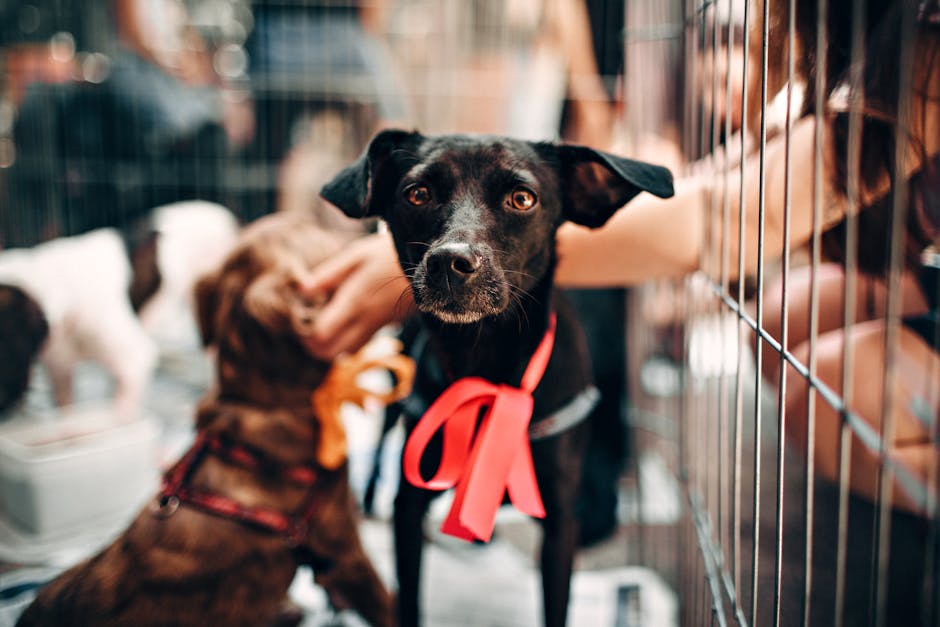
Grants can empower animal shelters to expand their facilities, improve care, and save more lives.
Running an animal shelter is a labor of love – but love alone doesn’t pay the bills. Grants can provide crucial funding to help shelters build new kennels, launch spay/neuter programs, hire staff, and more. This comprehensive guide explains everything you need to know about grants for animal shelters, including how grants work, where to find them, how to write winning proposals, and how to manage grant funds responsibly. With the right approach, even a small nonprofit rescue can secure grants that transform its ability to save animals. Let’s dive in!
What Are Grants and How Do They Work?
In the nonprofit world, a grant is a sum of money given to your organization for a specific purpose that does not need to be repaid. Grants are typically awarded by a “grant-maker,” such as a government agency, private foundation, or corporate philanthropy program, to support projects that align with the grant-maker’s mission. In other words, grants are mission-driven investments: a funder provides resources so your shelter can carry out work that the funder values, whether it’s reducing pet homelessness, improving shelter infrastructure, or educating the community.
Grants are usually project-focused and time-limited. A grant comes with conditions – you must spend the money on the proposed project and meet any requirements (such as reporting outcomes) that the funder sets. Essentially, when you accept a grant, you enter a partnership with the grantor built on mutual trust: they trust you to deliver impact with their funds, and you commit to use the money as promised and report back on progress. Unlike donations from individual supporters (which may be unrestricted), grants often have restrictions on how the funds can be used. For example, a foundation grant might be earmarked only for a spay/neuter clinic project, not for general operating costs.
Despite these obligations, grants offer huge benefits. They allow shelters to launch new programs, expand capacity, and innovate in ways that might be impossible with limited donation income. Winning a reputable grant can also boost your organization’s credibility – it signals to other donors and the community that your shelter is effective and trustworthy. And of course, grants diversify your funding, making you less dependent on any single source. Just remember: grants aren’t “free money from the sky” – they require work, accountability, and follow-through to ensure the funder’s goals are achieved.
Types of Grants Available for Animal Shelters
Grants for animal shelters come from a variety of sources. Understanding the landscape of funders will help you target the right opportunities. Here are the main types of grants:
1. Government Grants: Government agencies at the federal, state, and local level offer grants for community services, including animal welfare. Federal grants are typically the largest and most competitive, supporting big initiatives of national scope. For example, the U.S. Department of Agriculture (USDA) has grants for rural community facilities that can include animal shelters. Federal grant applications are complex and time-consuming – you’ll usually apply via Grants.gov, the central portal for federal funding. State governments often have mid-sized grants more closely aligned to regional needs (for instance, a state Department of Agriculture funding shelter improvements or spay/neuter programs). Local government grants (from counties or cities) tend to be smaller and very specific to local community needs. These might fund things like pet adoption events or animal control facility upgrades. While government grants can be substantial, be prepared for heavy documentation and compliance requirements if you pursue them.
2. Private Foundation Grants: Private foundations are nonprofit grant-making entities (often established by an individual, family, or corporation) that give grants aligned with their missions. In animal welfare, many foundations large and small support shelter programs. Some are national foundations with broad goals – for example, the ASPCA grants program has provided over $200 million to animal shelters and rescues across the U.S. since 2001. Others are family foundations or trusts focused on local or specific issues. Foundation grants often have fewer bureaucratic hurdles than government funds, but each foundation has its own interests and application process. Research is key: you’ll want to find foundations whose priorities (e.g. ending pet overpopulation, helping senior pets, etc.) match your project. Community foundations are another important source – these public charities collect donations to support their local area and often have grant programs for community improvement, which can include animal shelter needs. For example, a community foundation in Wisconsin recently awarded a $25,000 grant to a county animal shelter to fund an expansion that provides more space for stray dogs. When seeking foundation grants, it helps to build relationships: get to know the foundation’s staff, attend their events, and make sure you clearly demonstrate how your shelter’s work aligns with their mission.
3. Corporate Grants and Sponsorships: Many companies give back to communities through Corporate Social Responsibility (CSR) programs or corporate foundations. Corporate grants might fund local shelter programs or nationwide initiatives that align with the company’s brand values. For instance, Petco Love (formerly Petco Foundation) and PetSmart Charities are corporate-affiliated nonprofits that each invest millions in animal welfare grants – supporting pet adoption events, shelter renovations, medical care, and more. Other corporations offer in-kind grants: for example, Google Ad Grants provides nonprofits (including shelters) with free advertising credit to raise awareness, and tech companies like Microsoft offer software donations. Corporate grants can sometimes lead to long-term partnerships – a successful grant might evolve into an ongoing sponsorship, employee volunteer programs, or co-branded events that benefit your shelter. To tap into corporate funding, look for businesses (local or national) that have an interest in animal causes or community welfare, and be ready to explain how partnering with your shelter will also be a positive PR move for the company.
4. Specialized Grants: Grants can also be categorized by their purpose. Some funders (including foundations and agencies) offer specialized types of grants for specific needs. For example, capital grants help build or renovate facilities (shelter construction, new kennels, vehicles, etc.). Programmatic or project grants fund specific initiatives like a TNR (Trap-Neuter-Return) program or a community pet education campaign. Operating grants (general support) provide unrestricted funds for day-to-day operations – these are rarer but extremely valuable because you can use the money flexibly. Other specialized grants include capacity-building grants (to improve your shelter’s capabilities through training, technology, etc.), research grants (if you’re doing a study or pilot project), and emergency grants (for disaster relief or urgent veterinary care). Each type serves a different strategic need. For example, a capital grant might allow a rural shelter to build a new adoption center, which in turn enables them to save many more animals – exactly the kind of high-impact outcome funders love to support. As you search for funding, consider what type of grant best suits your project and target those opportunities.
Where and How to Find Grant Opportunities
Finding the right grants for your animal shelter can feel daunting, but there are many resources to make it easier. Here’s how to hunt down grant opportunities in the U.S. (and beyond):
- Online Grant Databases: Start with online directories and databases that aggregate grant opportunities. For U.S. federal grants, Grants.gov is the primary portal – you can search by keywords like “animal shelter” or “animal welfare” to see current federal grants. For private and corporate grants, tools like Candid’s Foundation Directory Online are invaluable. Foundation Directory Online (FDO) has a free search tool (FDO Quick Start) that provides basic information on over 100,000 foundations and their grant focus areas. You can use it to identify foundations that have funded animal welfare in the past. Many public libraries offer free access to the full Foundation Directory, which gives detailed funder profiles – a great tip if you don’t have a subscription. Other popular grant search platforms include GrantWatch, GrantStation, and Instrumentl (these often require a subscription or membership). They allow you to filter grants by location, issue (e.g. animal rescue), and type of support.
- Animal Welfare Grant Lists: Some organizations have curated lists of animal-related grants. For instance, the Humane Society’s HumanePro website and ASPCApro frequently share grant listings and deadlines for shelters (covering funders like Petco Love, Maddie’s Fund, etc.). Animal Grantmakers – an affinity group of foundations that fund animal welfare – is another website to check out for resources and member lists. Who Will Let the Dogs Out, an advocacy group for shelters, provides a free summary of grant opportunities and even offers advice via a grants advisor. Signing up for newsletters from these sites can deliver new grant announcements to your inbox.
- Foundation Websites: Once you identify some promising foundations or corporate programs, visit their websites directly. Look for a “Grants” or “Apply for Funding” section. Many will detail their funding priorities, eligibility criteria, application process, and deadlines. They may also list past grantees – useful to see if they’ve funded shelters similar to yours. Sign up for email updates from major funders; for example, Petco Love offers webinars at the start of each grant cycle to explain their guidelines. Following funders on social media can also keep you informed of grant rounds and special initiatives.
- Local and Community Sources: Don’t overlook local grantmakers in your region. Community foundations, local charitable trusts, or even your city council might have small grant programs for community services. While a $2,000 grant from a local rotary club or a family foundation might seem modest, those funds can add up and often have less competition than national grants. Also, local grants can build your track record and reputation, helping you win bigger grants down the line. Network with other nonprofits in your area to learn about local companies or philanthropists who give grants to animal causes. Even veterinary companies or pet-related businesses in your state might have charitable grant programs.
- Global and International Opportunities: If you’re outside the U.S. or looking beyond, seek out resources specific to your country or region. In Canada, for example, the PEDIGREE Foundation recently launched a Canadian grant program to fund shelters across provinces. In the UK, organizations like the National Lottery Community Fund and RSPCA grant programs can support animal projects. Large international NGOs (like International Fund for Animal Welfare (IFAW) or World Animal Protection) sometimes re-grant funds to local partners. The principles of finding grants are similar: use national grant directories, contact your country’s animal welfare federations, and watch for corporate CSR initiatives in animal welfare globally. Mentioning any international sources in your grant search section shows you’re aware that opportunities exist worldwide, even if your focus remains on U.S. grants.
Tip: Be specific in your search. If your shelter has a unique niche, include that in your query (e.g. “grants for feral cat TNR” or “grants for rural animal shelter”). As one rescue expert notes, “Are you a dog-only rescue in Georgia? There’s a grant for that! A rescue in Texas doing Trap-Neuter-Return? There’s a grant for that!”. Niche grants exist – you just need to find them.
Assessing Which Grants Are Worth Your Time
Not every grant is a good fit for your shelter. Since grant applications take significant effort, it’s important to choose wisely where to apply. Here are factors to consider when evaluating a grant opportunity:
- Alignment with Your Mission: The grant should directly relate to what your shelter does. Avoid “chasing money” for projects outside your core mission. If a grant focuses on farm animal welfare and you’re a cat shelter, or it’s for wildlife rehab and you only handle dogs, it’s likely not a match. As the Murdock Charitable Trust warns, proposing a project that pulls your organization away from its expertise can be a fatal mistake. Funders can tell if you’re stretching to fit their criteria. Stick to opportunities that genuinely fit your strategic goals.
- Eligibility Requirements: Always check the fine print on who can apply. Common requirements include having 501(c)(3) nonprofit status (most U.S. foundations require this), being in a certain geographic area, or having a minimum organizational budget or years of operation. If a grant is by invitation only or limited to past grantees (as some foundations do), it won’t be worthwhile to pursue cold. Save your energy for grants where you meet all the basic eligibility rules and have a program that matches what the funder wants to support.
- Grant Size vs. Effort: Consider the amount of funding versus the effort needed to win it. A $5,000 grant with a simple one-page application and no follow-up report is great. A $5,000 grant that requires a 10-page proposal and extensive documentation might not be the best use of time if you can apply that time to larger opportunities or other fundraising. On the other hand, a $100,000 grant might be worth a complex application if you have a solid chance at it. Evaluate the ROI (return on investment) of your grantwriting time.
- Competitiveness and Odds of Success: Some grants – especially large national ones – are extremely competitive. If you’re a small shelter competing against big humane societies for a federal grant, be realistic about your chances. That doesn’t mean you shouldn’t try, but balance your portfolio with some “easier wins.” Local grants or smaller foundations where you have a personal connection might have higher odds. If possible, reach out to the grantmaker with a brief inquiry or Letter of Inquiry (LOI) to gauge their interest before spending time on a full proposal.
- Capacity to Execute the Project: Be honest: if you did get this grant, could your organization successfully carry out the project? Funders often ask about your staff, volunteers, and resources to ensure you can deliver. If the grant would fund a new program that strains your capacity, you might risk not fulfilling the grant terms. Make sure you have (or can acquire) the skills, personnel, and infrastructure to implement the project on the grant’s timeline. For example, don’t apply for a large capital construction grant if you have no project management plan or contractor in mind – an unfinished project could require you to return funds. Right-size your projects to fit your shelter’s current capacity.
- Conditions and Reporting Requirements: Look at what the funder expects after the grant is awarded. Can you meet those requirements? Common conditions include spending the funds within a certain period, tracking specific data (e.g. number of animals adopted thanks to the grant), and submitting progress and final reports. If a grant requires a lot of ongoing reporting or complex financial tracking, ensure you have the systems to handle it. Also consider if the grant requires matching funds (you need to raise a certain amount to match the grant) or a sustainability plan (how you’ll continue the program after the grant). These factors can influence whether the grant is feasible for you.
- Sustainability and Long-Term Impact: A wise question to ask is, “How will we sustain this activity after the grant funding ends?” Many grants are one-time infusions. If the project would create a new recurring cost (like additional animals to care for or staff to pay) with no plan to fund it later, that’s a red flag. Some funders explicitly ask for a sustainability plan because they don’t want projects to collapse after their grant. If you can use the grant as a launch pad – for example, to start a program that will later attract local donor support or generate revenue (like a low-cost clinic that starts earning fees) – that’s ideal. Prioritize grants that help build capacity or demonstrably improve outcomes in a lasting way, not just short-term band-aids.
Finally, trust your intuition and knowledge of your organization. It’s better to submit a few high-quality, well-suited grant proposals than to shotgun 20 sloppy ones. Each application is essentially a sales pitch and a commitment – choose the ones that you feel excited about and capable of delivering. A good litmus test: if you find yourself twisting your project to fit the grant, instead of finding a grant that fits your project, you may want to pass on that opportunity.
How to Write a Compelling Grant Proposal
Once you’ve identified a grant that’s a great fit, it’s time to craft a proposal that wins the funder’s heart (and checkbook). Grant writing is part art and part science – you need facts and figures to make your case, but also a persuasive narrative that inspires the reader. While each grant application may have its own format, most proposals include similar key sections. Below is a breakdown of those sections with tips to make each one shine:
- Executive Summary: This is a concise overview of your proposal – imagine it as your “elevator pitch” on paper. In a few powerful paragraphs, summarize who you are, what you need funding for, why it matters, and the impact it will have. Be sure to state the amount you are requesting and the specific purpose. Although it appears at the top, it’s often wise to write this section last after you’ve fleshed out details elsewhere. Tip: Keep it short (perhaps 1–2 paragraphs) but compelling, and try to hook the reader with the very first sentence. Highlight how your project aligns with the funder’s priorities. For example: “Paws for All Rescue is seeking $75,000 to construct a modern rehabilitation facility for abused and neglected dogs. This new space will provide advanced medical care and dedicated areas for animal socialization, enabling us to rehome 200 additional animals each year – a 30% increase in our capacity. With your support, we can reduce pet overpopulation and improve public health in our community.” This kind of summary hits the who, what, how much, and why it matters, all in a compelling snapshot.
- Organization Overview: Provide a brief background on your shelter/rescue organization. Funders may not know you, so establish your credibility and track record here. Mention your mission, history, the community you serve, and key accomplishments. What makes your shelter special? Perhaps you have a 98% save rate or you’ve been serving your county for 20 years – share a couple of proud facts. If you have any awards or notable partnerships, you can note them (without going into too much detail). Keep this section factual and positive. Tip: Tailor it to set up why you’re well-suited to execute the project you’re proposing. For instance, “As the only open-intake shelter in XYZ County, we have provided refuge to over 10,000 animals since 2005. Our dedicated team of 5 staff and 50 volunteers has achieved a 95% live-release rate, and we operate innovative programs like community cat TNR and youth humane education.” This shows the funder that you’re an established, capable organization worth investing in.
- Problem or Needs Statement: This is the heart of your proposal – here you explain the problem you aim to solve and why it’s urgent. Describe the challenges your shelter or community faces that the grant project will address. Use a combination of data and storytelling to paint a compelling picture. For example, you might present statistics: “Our county shelter operates at 120% capacity year-round and last year we had to turn away 150 animals due to lack of space”. Then humanize those numbers with a real anecdote: mention a specific animal that illustrated the problem or a community member impacted (while keeping it concise). Emphasize the community impact of the problem too – for instance, an overcapacity shelter isn’t just an internal issue; it leads to more strays on the street or public health concerns. Also, highlight the consequences of inaction: what happens if this problem isn’t addressed? This builds a sense of urgency. By the end of this section, the funder should clearly understand why the issue is important and feel compelled to help. Example: “We are now operating beyond capacity. Last year, we turned away 150 animals due to space limitations, leaving many at risk in the community. If we do not expand our facility, countless pets will have no safe refuge – exacerbating stray populations and euthanasia rates at neighboring pounds.”
- Project Goals and Objectives: Clearly state what you plan to achieve with the grant. Goals are broad outcomes (e.g. “Increase our shelter’s capacity to save animals”), while objectives are specific and measurable steps to reach those goals (e.g. “Construct a new kennel building with 20 additional dog runs by December 2025”). Funders want to see SMART objectives – Specific, Measurable, Achievable, Relevant, Time-bound. Outline 2–4 key objectives of your project. Tie each objective to the need you described. For instance, if the problem was lack of space, an objective might be “Add housing for 50 more animals, reducing turn-aways by 90% within one year of completion.” Also mention any particular outcomes the funder cares about. If the funder prioritizes adoption, one goal might be to increase adoption rates by a certain percent with your project. Tip: Use bullet points or numbered sub-points for objectives so they stand out. Make sure these objectives feel realistic given the grant size and your capacity. If you can, connect the objectives to how you will measure them later (foreshadowing your evaluation plan).
- Project Description and Activities: Now describe how you will execute the project. This is where you outline the program or work plan that the grant will fund. Provide details on the activities, timeline, and who will carry out the work. For a capital project, describe the steps (e.g. hire architect, obtain permits, construction phases). For a program, describe the services or activities (e.g. “We will operate monthly spay/neuter clinics serving 30 pets each, in partnership with local vets”). Be sure to connect the activities to the objectives: it should be clear how doing X will lead to Y result. Keep your language clear and action-oriented. If appropriate, mention any evidence or best practices that back up your approach (for example, if you’re implementing a nationally recognized program model, say so). But avoid jargon – assume the grant reviewer might not be an animal expert, so explain terms like “TNR” or “no-kill” if you use them. This section might be a few paragraphs long or broken into sub-sections if the application asks for a methodology. By the end of it, the reader should have confidence that you have a well-thought-out plan to achieve the goals with the grant funding.
- Budget and Budget Justification: This is a critical piece – show the funder exactly how their money will be used. Provide a detailed breakdown of the project costs and how the grant funds (and any other funding) will cover them. It’s often best to present the budget in a clear table or list by categories, with itemized costs. Typical categories might include personnel (if you’re funding staff time), equipment, supplies, construction costs, training, etc., depending on the project. If the grant won’t cover the entire cost, indicate other funding sources or in-kind contributions that fill the gap (many funders like to see that you have skin in the game or community support). Tip:Include a brief budget narrative or justification explaining why each expense is needed. For example, “Medical Equipment – $15,000: Purchase of a spay/neuter surgical kit, which will enable 200 surgeries per year, reducing stray population growth”. This ties the expense to outcomes, reinforcing the project’s importance. Ensure your math is accurate and the totals are clear (funders will scrutinize this). Also, if you have matching funds or you’re contributing some of your own budget, highlight that: “Total project cost is $120,000; we have already secured $70,000 through donations and are requesting $50,000 from this grant to complete the funding”. This shows collaboration and financial responsibility.
- Evaluation Plan (Outcomes and Metrics): Funders want to know how you will measure success. In this section, outline how you will track the progress and results of the project. Refer back to your objectives and specify the metrics you’ll use. For example, if an objective was to increase adoptions by 20%, you might state you will measure the number of adoptions in the 12 months after project completion versus before. Common metrics for shelter projects include number of animals taken in, number adopted or transferred, live release rate, number of surgeries performed, volunteer hours, etc.. Also describe how you will collect data – e.g. through shelter software, surveys, monthly reports, etc.. It’s good to mention you will provide updates to the funder, perhaps quarterly or at project milestones. This demonstrates accountability. Tip: Keep the evaluation plan realistic; don’t promise elaborate studies if you don’t have capacity. A simple plan like “We will track and report the number of animals served and provide a before-and-after comparison of key metrics such as intake and adoption rates over the next year” can suffice if aligned with your goals. The key is to show that you will be able to prove the grant’s impactwith data (and a few anecdotes, perhaps). Funders also appreciate when you mention using evaluation results to improve your program – e.g. “We will analyze the data to identify trends and lessons to further improve our adoption processes”.
- Sustainability Plan: Especially for projects that are not one-off, explain how you will keep the effort going after the grant funds are spent. This section is about long-term impact and financial sustainability. You should reassure the funder that their investment won’t be wasted on something that fizzles out. Mention strategies like: diversifying funding (e.g. launching a fundraising campaign, seeking sponsorships or other grants), using part of increased revenue (if any) to sustain the program, volunteer recruitment to continue services, support from your general operating funds, etc.. For example, “After the facility is built, we will allocate 10% of our annual donations into a maintenance reserve fund to ensure upkeep”, or “We have a plan to grow our donor base through the expanded program, and have commitments from local businesses to sponsor a portion of ongoing costs.” The goal is to convince the funder that the positive outcomes of their grant will continue for years to come and that you won’t be solely reliant on them for future funding.
- Conclusion: End your proposal on a strong, positive note. This is where you thank the funder for their consideration and re-emphasize the significance of the project. You might include a vision of success, essentially inviting the funder to be part of a meaningful change. Keep it sincere and upbeat. For example: “With your support, we can create a brighter future for thousands of homeless pets – a future where every animal is safe, healthy, and loved. Thank you for considering this request and for all that you do to help animals in need.” A brief conclusion like this leaves the reviewer feeling good about the potential partnership. It never hurts to directly say you are grateful for their time and consideration, and that you’re available to provide any additional information.
Throughout your proposal, maintain a professional yet passionate tone. Avoid overly emotional pleas that aren’t backed by facts – instead, balance heart and mind. Use clear, concise language (short sentences, active voice). And of course, proofread carefully for typos or errors. A well-organized, error-free proposal signals to the funder that your organization is competent and respects the process.
Pro Tip: Many proposals require supplemental materials (IRS 501c3 letter, Board of Directors list, financial statements, etc.). Prepare these in advance so you’re not scrambling before the deadline. Common attachments for animal shelter grants include: proof of nonprofit status, the latest financial report or Form 990, your organization’s annual budget, a list of key staff or board members (sometimes with their affiliations), and possibly letters of support. Including everything they ask for – and nothing they didn’t ask for – is crucial (missing documents could disqualify your application).
Tips for Budgets, Goals, and Metrics in Grant Applications
Let’s zero in on three critical elements of any grant application – budgets, goals, and metrics (evaluation). These often make or break a proposal, so use these tips to strengthen your case:
- Build a Realistic and Transparent Budget: Your budget should tell the story of your project in numbers. Break costs down into logical categories and be specific. Avoid large unexplained lump sums. Instead of saying “Project costs: $50,000,” itemize it: e.g. Building materials – $20,000; Kennel fixtures – $5,000; Electrical/plumbing – $8,000; Permit fees – $2,000; etc. Double-check that the math adds up and matches the narrative (if you said you need two staff in the narrative, ensure staff costs are in the budget). Justify each major expense in a brief note – explain why it’s necessary and how you estimated the cost. If you got quotes or have vendor estimates, you can mention that as evidence. Also, indicate any matching funds or other contributions clearly. Funders love to see that you have other support; it gives them confidence that the project will happen. Importantly, be truthful and reasonable – don’t wildly inflate costs (funders have experience and might know typical prices) but also don’t severely under-budget (which could make them worry you can’t complete the project). Include a modest contingency if allowed, especially for capital projects, and explain it. Finally, ensure your budget aligns with the funder’s guidelines – if they won’t pay for certain items (like overhead or staff salaries), either exclude those or show you’ll cover them with other funds.
- Set Clear, Impactful Goals: When stating your project goals in the proposal, make them as clear and outcome-oriented as possible. A funder should be able to envision the change that will result from your project. Use numbers and timelines in your goals (these become your objectives). For example, “increase adoption rate” is vague, but “increase adoption rate from 60% to 80% within 12 months” is concrete. Goals should also align with the funder’s mission. If a foundation’s mission is to reduce animal suffering, frame your goals in those terms (e.g. “reduce the number of suffering stray animals by rescuing X more pets off the streets”). As mentioned earlier, using the SMART criteria (Specific, Measurable, Achievable, Relevant, Time-bound) is a good practice. It shows you’ve thought through what you can actually achieve with the grant. Additionally, prioritize goals that focus on benefits to animals and the community, not just internal benefits. For instance, instead of saying “we will hire two staff” (that’s an activity), say “with two additional staff, we will be able to care for 50 more animals annually, improving animal health and adoption outcomes” – that ties the resource to the impact.
- Emphasize Measurable Outcomes and Metrics: Grantmakers increasingly use terms like “outcomes,” “indicators,” and “metrics.” This is simply about how you will measure and demonstrate the success of the project. In your proposal, be sure to state what data you will track. Will you count the number of animals spayed/neutered? The decrease in stray intake at the municipal shelter? Volunteer hours contributed? Pick metrics that logically flow from your activities. Where possible, provide baseline numbers and target increases. For example: “Currently, our shelter rehomes 300 animals/year. With this project, we aim to rehome 450 animals/year – a 50% increase – and will track this via our PetPoint database reports.” Make it clear you have a system for capturing the data (software, logs, surveys, etc.). If you can also mention qualitative metrics like testimonials or case studies, that can add richness – e.g. “we will also collect stories from adopters about the pets they adopted through the new program” (but these are supplementary to the hard numbers). Demonstrating a strong evaluation plan not only helps in the proposal, but it will make writing your grant reports easier later. Funders want to know their money leads to tangible results, so don’t skimp on showing how you’ll prove the impact. You might even propose a specific metric that connects to the funder’s own goals (if, say, the funder cares about public safety, you might track dog bite incidents pre- and post-project as an indirect outcome of reduced stray dogs).
- Tie Budget, Goals, and Metrics Together: These three elements shouldn’t exist in isolation in your proposal – they must align. Each goal should have resources in the budget to achieve it, and a way to measure it. Do a self-check: for each major objective, have you allocated enough budget to accomplish it? And for each budget item, can you point to which goal it supports and how success will be measured? This coherence shows funders you have a well-thought-out plan. For example, if you budget for a “livestock trailer – $10,000” but nowhere in your goals or metrics you mention livestock or transport, that will confuse reviewers. Ensure everything connects. A clear, logical flow from need → goals → activities → budget → outcomes is the golden thread of a strong grant application.
- Use Data to Strengthen Your Ask: Wherever possible, use data to justify your requests. If you’re asking for funding for a spay/neuter program, cite local pet overpopulation figures or euthanasia rates that you aim to improve. If you need a new HVAC system for the kennel, mention how many days in summer your kennel goes over safe temperature levels. Concrete numbers make your case more persuasive and objective. If you have done similar projects before, include data on their success (“our past grant of $5k sterilized 100 animals, preventing an estimated 1,000+ unwanted births”). Just be careful to not drown the reader in stats – pick the most impactful ones and present them clearly (possibly in a small table or chart if allowed, or in a succinct sentence). And always source any critical statistics if they’re not internal (e.g. “according to the ASPCA, nearly 3.1 million dogs enter U.S. shelters annually” – whatever is relevant).
- Mind the Funder’s Budget Preferences: Some funders will explicitly state how they view budgets. For example, a foundation might say “we typically won’t fund more than 15% of a project’s budget for administrative/overhead costs.” Make sure your budget aligns with any such guidelines (perhaps by capping administrative expenses in your request). If a government grant requires certain cost categories or matching funds, follow those rules strictly. Never ignore instructions – if a grant application says “submit a one-page budget” or “do not include X,” then do exactly that. One of the most common grantwriting mistakes is not following directions, especially in the budget and attachments.
In summary, think of goals as the what, budget as the how (resources), and metrics as the proof. When all three are well-defined and interconnected, your proposal will stand on very solid ground.
Common Mistakes to Avoid When Applying for Grants
Even seasoned grant writers slip up. By learning from common mistakes, you can increase your chances of success. Here are some pitfalls to avoid:
- Missing Deadlines: Grant deadlines are inflexible. Late is late – no exceptions. Submitting even a minute past the cutoff can disqualify your proposal. As one grant reviewer put it, “You wouldn’t make an appointment with a donor and not show up. It’s the same thing with grant deadlines.” Mark deadlines clearly on your calendar and aim to submit at least a day or two early (to cushion against technical issues). Also note whether deadlines are received byor postmarked by dates for mailed applications. Missing a deadline is perhaps the easiest mistake to avoid with good time management and reminders.
- Not Following Guidelines: Every funder has specific application instructions – format, page length, font size, documents to include, questions to answer, etc. Ignoring these is a fast track to rejection. If they ask for a 5-page narrative, don’t squeeze 6 pages by shrinking the font. If they provide a template or form, use it. Fill out every section and if something isn’t applicable, it’s better to put “N/A” than leave it blank. One subtle mistake is not answering the questions asked – sometimes applicants include lots of information but not in the way the question was posed. Reviewers notice this and may score you lower. Treat the guidelines like a checklist and double-check everything before submitting.
- Poor Alignment with the Funder’s Priorities: Submitting a one-size-fits-all proposal or not customizing it to the funder is a big mistake. If your project isn’t something the foundation wants to fund, no amount of eloquence will get you the grant. This is why researching the funder is so important. Tailor each proposal to highlight the aspects of your work that resonate with that grantmaker. For example, if a foundation is focused on innovation, emphasize what’s novel about your project. If they care about underserved communities, highlight how your shelter serves low-income pet owners or an area with few services. Never assume that one generic proposal will work for all – funders can tell if you didn’t do your homework about their interests. Not doing this is like trying to fit a square peg in a round hole.
- Lacking a Strong Needs Statement (Context): Some proposals throw out a bunch of statistics about the problem but fail to connect the dots to why the project is needed. Don’t assume the funder understands the situation on the ground – you have to clearly explain context. A mistake is either not providing data at all (just emotional pleas without evidence) or providing data without explanation. Avoid vague statements like “There are too many homeless animals.” Be specific: how many? why is this a crisis now? what has been tried? Give the broader context as well – maybe local laws, economic factors, or recent events have worsened the problem. The funder should come away from your problem description thinking, “Something must be done – and this project is the right solution.”
- Focusing Too Much on Your Needs, Not the Impact: Yes, you’re asking for funding for your shelter, but the proposal shouldn’t read like a plea for charity for your organization’s survival (“We need money or we might close”). Funders are not interested in rescuing organizations; they want to fund impact and outcomes. A common mistake is talking only about how great your organization is or how badly you need money, rather than what change you will achieve with their money. Make sure your proposal is outward-looking: it’s about the animals and community benefit, not just about you hitting a budget shortfall. Similarly, avoid overly “salesy” language or hype. One grant reviewer noted that if they’ve invited a proposal, they’re already sold on the concept – they just want the details of how you’ll do it. So don’t oversell or add unnecessary fluff. Be enthusiastic but substantive.
- Unclear or Unrealistic Outcomes: Some proposals fail to spell out what success looks like, or they promise outcomes that seem unbelievable. If you claim you’ll solve pet homelessness in your state with one $10k grant, you’ll lose credibility. Make sure your proposed outcomes are both significant and plausible. Another mistake is not addressing how you’ll measure those outcomes (as discussed, include metrics). Funders may also be wary if you don’t mention any challenges or assumptions – a proposal that paints an unrealistically rosy scenario might come off as naive. It’s okay to acknowledge potential challenges as long as you have a plan for them. On the flip side, don’t be overly negative either; maintain a confident tone that you can achieve the stated outcomes with the grant.
- Errors and Poor Writing Quality: Sloppiness can derail a great project idea. Typos, grammatical errors, or inconsistent figures (e.g. budget numbers not matching between sections) signal a lack of attention to detail. Grant reviewers read dozens of proposals; mistakes make it harder for them to trust you. Always proofread multiple times. It can help to have someone not involved in writing (an outside eye) read the proposal – they can catch things you overlooked and ensure it’s clear to a layperson. Also, keep your writing simple and clear. Avoid acronyms or internal jargon without explaining them. If a reviewer has to reread sentences to grasp your meaning, that’s a problem. Remember, clarity wins over trying to sound overly sophisticated. One common pitfall is using too many emotional exclamation points or overly dramatic language – it’s a grant proposal, not a marketing brochure. Aim for a professional, polished document that is easy to navigate.
- Omitting Required Attachments or Information: Many proposals get tossed aside because the applicant forgot something like the IRS determination letter or didn’t fill out a required field in an online form. It feels bureaucratic, but these details matter. Use the funder’s application checklist if they provide one. If you’re submitting online, double-check that all uploads went through. After you think you’re done, do a final walkthrough: Did you stay within word limits? Did you answer every question? Are all attachments labeled as requested? An incomplete application may not even be reviewed in a competitive grant program.
- Giving Up Too Soon: This is more about mindset – often, organizations apply once, don’t get the grant, and then give up on that funder or on grants in general. Rejection is part of the process. Perhaps your proposal wasn’t a fit this time, or competition was stiff. It can be beneficial to seek feedback from the funder if they’re willing to give it. Often, the reasons for rejection might be things beyond your control (limited funds, strategic shifts, etc.). Unless you were clearly off-target, consider trying again next cycle, refining your approach. Persistence can pay off. Also, if you build a relationship with the funder in the interim (send updates about your work, attend their events), your next application could be more successful. Don’t let one “no” discourage you – many grants are won on subsequent attempts. As one expert said, “There are many stupid reasons why proposals aren’t funded… If your proposal was rejected, don’t try to guess what happened. Instead, call and ask for feedback.”. Learn and improve.
By sidestepping these common errors, you’ll put your shelter ahead of the pack. Essentially, it boils down to being prepared, organized, and thoughtful: follow directions, know your audience (the funder), present a compelling case with evidence, and submit a flawless application on time. Do that, and you’ve already won half the battle in the grant game.
Managing and Reporting on Grants After You Win
Congratulations – you received a grant! 🎉 Now the real work begins. Managing a grant properly is just as important as getting it, because it sets the stage for successful outcomes and future funding (happy funders often renew support or become references for you). Here’s how to stay on top of grant management, compliance, and reporting:
1. Start with the Grant Agreement: When awarded a grant, you’ll usually receive a grant agreement or contract to sign. Read this document carefully. It will spell out all the terms: the payment schedule, what the funds can and cannot be used for, reporting deadlines, acknowledgment requirements (e.g. whether you need to credit the funder in materials), etc. Diary all key dates in this agreement – for example, if you must submit a mid-term progress report by June 30 and a final report by Dec 31, mark those now and work backward to plan preparation time. Ensure you understand any restrictions (e.g. “no grant funds may be used for lobbying or capital expenses” – you must abide by those). If anything is unclear, don’t hesitate to ask the funder for clarification up front. Compliance means doing what you agreed to do in writing.
2. Set Up Good Financial Tracking: Right away, establish a way to track grant expenditures separately. Many nonprofits will create a unique code or class in their accounting software for each grant so they can log all related income and expenses. If you’re smaller and use spreadsheets, dedicate a tab to the grant budget and record every transaction. Save receipts and invoices for all purchases made with grant funds – some funders may ask for financial documentation or even audit the expenses. Make sure you only spend the grant on allowable costs as per the agreement. For instance, if the grant is for medical supplies, don’t use it to pay your electric bill (unless that’s explicitly allowed). Staying organized with finances will make report writing much easier and ensures you don’t accidentally misuse funds. It’s wise to have your treasurer or a finance person oversee this, but program staff should also know the budget limits.
3. Implement the Project as Planned (or Communicate Changes): Now, execute the project according to your proposal timeline. Create an internal work plan with responsibilities assigned to staff or volunteers. If the grant is for a specific program, kick it off and keep records of activities (dates of workshops held, number of surgeries performed, etc.). Monitor progress and compare it to the milestones you expected. Sometimes, things won’t go exactly as planned – maybe a contractor delay pushes your construction out a month, or your initial outreach didn’t yield as many clinic clients as hoped. If minor adjustments are needed, that’s generally fine, but keep the funder informed if any significant changes occur. Most funders are understanding if you encounter obstacles, as long as you are proactive in communicating. For example, if you realize the grant funding needs to be reallocated between budget lines or you need a no-cost extension (more time to complete the project), ask permission in writing. Don’t surprise the funder later. Think of it as maintaining a good relationship: funders appreciate honesty and updates, even if it’s about challenges.
4. Meet Reporting Deadlines and Requirements: Grant reports are your chance to show off what you accomplished – and demonstrate that their money was well spent. Mark all report due dates on your calendar as non-negotiable deadlines. Commonly, a funder will require a final report after the grant period, and sometimes an interim progress report. Begin gathering data and stories for the report well in advance. A typical grant report will include: an overview of activities completed, data on outcomes (metrics vs. the goals you set), how the funds were used (often with a financial report comparing budget vs. actual spending), and perhaps lessons learned or future plans. Essentially, it’s the mirror of your proposal: you say what you did, what results came of it, and what the impact was. Include qualitative and quantitative data – e.g. “We built the new kennel building which allowed us to take in 120 additional dogs; adoptions increased 20% over last year, and one of our first occupants was a senior dog named Buddy who found a home after being in the shelter for 6 months” (with maybe a photo, if allowed). Make the report clear and concise, just like the proposal. If the funder provided a form or questions for the report, follow that structure. And absolutely submit on time. A late report can reflect poorly and even jeopardize future payments if it’s a multi-year grant.
5. Ensure Grant Compliance: Grant compliance means adhering to all the specific terms the grantor set – not just spending correctly and reporting, but other conditions too. For example, some grants require you to keep records for a certain number of years, or to allow site visits from the funder. Always behave “consistent with the grantor’s terms and conditions”. A good habit is to create a compliance checklist at the start: list every requirement from the contract (e.g. “send progress report by X date; acknowledge funder in annual report; funds must be used by Y date; etc.”) and then tick them off as you complete them. Larger organizations sometimes convene a grant management team with folks from finance, programs, and admin to review grant compliance periodically, but in a smaller shelter, it might just be one or two people responsible. The important part is not to forget anything. For instance, if the grant required an annual audit or a final evaluation by an external party, those need to be scheduled. Also, ensure you maintain any record-keepingstipulated – for example, if it’s a government grant, timesheets for personnel might be required to document staff hours funded by the grant.
6. Communication and Public Relations: Fulfill any acknowledgment requirements – many funders want public recognition, like “please mention our support in any press release or put our logo on your website.” Do those promptly if asked (and send the funder a link or copy). Beyond the formal requirements, it’s great practice to thank the funder and keep them in the loop with informal updates. Send a heartfelt thank-you letter upon receiving the grant. Midway through, you might email a quick update or a success story (“Just wanted to share a quick win: thanks to your grant, we’ve already increased our adoption rate by 15% in six months!”). Some shelters send holiday cards with a note about how the funder’s support helped that year. These touches can build a long-term relationship. If the project results in something tangible – say a new building or a new van – consider inviting the funder to a ribbon-cutting or event. Making the funder feel connected to the positive impact will increase the likelihood of future funding or at least leave them with a good impression of your professionalism.
7. Handle Challenges Gracefully: Sometimes, despite best efforts, a project might underperform or hit a serious snag. Perhaps the outcome numbers fell short of the goal or unexpected issues arose. If that happens, be candid in your reporting and communication. Funders understand not everything goes perfectly. Explain what you learned and how you’ll improve or continue efforts. If you had leftover funds (maybe you economized and didn’t spend it all), ask the funder how they’d like it handled – some may allow you to repurpose it for related needs, others might want it returned. These situations are delicate, but honesty and proactive contact are key. Surprising a funder with bad news at the end is far worse than keeping them apprised. Think of funders as partners who share your goal – they generally will appreciate transparency and problem-solving, not concealment.
By diligently managing the grant, you not only deliver the intended help to animals but also build trust with the funder. Many funders comment that the way a nonprofit handles a grant (the compliance, reporting, gratitude, etc.) strongly influences whether they fund them again. When you show that you’re responsible and results-oriented, you increase your chances of turning a one-time grant into a recurring source of support. Moreover, a track record of well-managed grants can be highlighted in future grant proposals to new funders as evidence of your reliability.
In summary: Do what you promised, document it, and tell the story. That’s grant management in a nutshell. It closes the loop from proposal to impact, and it’s incredibly rewarding to report back to a funder with “Here’s what your generosity achieved!” – for both you and them.
Tools and Resources to Track Grants and Stay Organized
Managing multiple grant prospects and obligations can get complicated. Fortunately, there are tools and resources to help at every stage – from finding grants to tracking deadlines to writing proposals. Here are some useful ones for animal shelter grant-seekers:
- Grant Calendars and Tracking Spreadsheets: A simple but effective tool is a spreadsheet or calendar dedicated to grants. You can create a Grant Deadline Tracker with columns for funder name, grant name, deadline, amount, status, etc., and update it regularly. Some organizations use a shared Google Sheet or Excel file so the whole team can see upcoming opportunities and tasks. In fact, there are templates available to get you started – for example, Shelter Roundtable offers a Grant Deadline Tracking Spreadsheet template for shelters (as well as a Grant Budget Planning Template and other handy tools). Using these templates or creating your own will ensure you never miss an application or report deadline. Additionally, set up reminders on your digital calendar for critical dates (e.g. two weeks before a proposal is due, or one month before a report is due). Treat grant management like a project with milestones.
- Grant Management Software: If your shelter starts dealing with numerous grants or more complex funding (like government contracts), you might consider a grant management software or CRM system. Tools like Fluxx, Foundant GrantHub, or nonprofit CRMs like Neon One (which has grants modules) can centralize all your grant information, deadlines, contacts, and even generate reports. These are more often used by larger organizations due to cost, but some small nonprofits invest in them if grants are a major part of their revenue. Before you jump into software, though, exhaust the free options – a well-organized spreadsheet and calendar with diligent human oversight can go a long way.
- Online Grant Directories: We mentioned some in the finding grants section, but as a resource recap: Candid’s Foundation Directory Online (FDO) Quick Start is free for basic searches of foundations (good for initial research on who might fund you). Grants.gov has an email alert system where you can get notified of new federal grant postings. GrantWatch.com lists grants by category (they have an “Animals” category) – you can read synopses for free, full details require subscription. Instrumentl.com is a powerful engine that not only finds grants but also tracks deadlines and can match you with likely funders (they often have free trials or discounts for new users). GrantStation is another service – note that membership to GrantStation is sometimes offered at a big discount through TechSoup or fundraising trade publications. Keeping an active subscription to one of these services during your heavy grant-hunting periods could save you time.
- Templates and Samples: When writing proposals, it’s incredibly useful to reference sample proposals or templates to guide your structure and language. There are free templates designed for animal welfare projects. For example, The Open Sanctuary Project provides a free grant proposal template tailored to animal sanctuaries (which can be adapted to shelters). This template outlines all the sections we discussed (executive summary, need, objectives, etc.) and can be a great starting point – you then customize it to fit your organization and the specific grant. Additionally, many grantmaking foundations or support organizations provide sample funded proposals on their websites or upon request. Candid Learning (formerly GrantSpace) has a collection of sample grant proposals in their libraries, including ones for animal-related grants. By studying winning examples, you can see how others framed their narrative and data. Just remember never to copy text from a sample – use it for inspiration and guidance only.
- Grant Writing Guides and Communities: There are some excellent guides and workbooks out there that walk you through proposal writing. For instance, Maddie’s Fund and ASPCApro have online webinars and articles on grant writing specifically for animal welfare (e.g. “Grant Writing 101: Securing Funding for Animal Care”) which cover tips and common pitfalls. You can find these on their websites or YouTube. Books like “Grant Writing for Dummies” or The Foundation Center’s Guide to Proposal Writing are general but useful references to have on your shelf. Also consider joining communities like the Maddie’s Pet Forum or other animal welfare professional groups – they often have threads where members share grant opportunities and advice. Even subreddits (like r/nonprofit or r/animalrescue on Reddit) have discussions on grants where you might pick up pointers.
- Mailing Lists and Newsletters: To stay informed, subscribe to newsletters from major funders and animal welfare organizations. For example, sign up for updates from Petco Love, PetSmart Charities, ASPCA, Best Friends, Maddie’s Fund, etc. They often announce new grant cycles, contests, or scholarship opportunities via email. There are also newsletters like FundsforNGOs or GrantStation Insider that list upcoming grant opportunities across various sectors (you can skim for animal-related ones). It might feel like you’ll get a lot of emails, but it’s worth scanning those subject lines – the right opportunity might pop up at any time. You can use an email filtering system (or a separate email address) to collect all grant-related emails so you can review them weekly without cluttering your main inbox.
- Checklists and Worksheets: Before hitting “submit,” it’s wise to run through a checklist to ensure your proposal package is complete and polished. Create your own or use existing ones. For instance, Shelter Roundtable (as per their resources page) has a Grant Readiness Checklist and a Common Grant Questions & How to Answer Themguide. These can help you quickly assess if you have all needed documents at hand and if your narrative covers the typical questions funders ask. Using a checklist can prevent those dreaded “oops, I forgot the attachment” moments.
- Acknowledgment Tools: Keeping track of thanking funders and giving them recognition can also be systematized. Something as simple as a spreadsheet of funders with columns for “Thank You Letter Sent”, “Website Thank You Posted”, “Report Sent” etc., can ensure you cover all your stewardship bases. There are also donor management software solutions (like Bloomerang, Little Green Light, etc.) which can log grant funders similar to donors and remind you to follow up, but you can also do this manually if you have a manageable number of funders.
In short, get organized and use available resources. The difference between a frantic, last-minute grant scramble and a smooth, strategic grants program often comes down to organization. By leveraging templates, calendars, and databases, you’ll work smarter and reduce the chance of errors. Many of these tools are either free or low-cost and can significantly streamline the process of winning and administering grants.
Real-World Examples of Successful Grant-Funded Projects
Nothing illustrates the power of grants better than real success stories. Here are a few examples of how animal shelters and rescues have used grants to achieve remarkable outcomes:
- Shelter Expansion and Infrastructure Improvements: In New York State, a program called the Companion Animal Capital Fund has provided grants to dozens of shelters for capital projects. In 2023 alone, the state awarded $7.6 million to 21 animal shelters and humane societies for construction, renovation, and expansion projects to enhance animal care and increase adoptions. These grants (the first of their kind in the nation) have helped shelters build new kennels, improve medical facilities, and create more humane environments for pets. For example, the Southampton Animal Shelter used a state grant to repair and upgrade their kennel flooring and drainage – a less “glamorous” project perhaps, but one that significantly improved sanitation and comfort for the animals. These infrastructure upgrades not only directly benefit the animals in care but also make shelters more inviting to the public, boosting adoption rates. It’s a great example of government grants fueling better welfare standards for shelter pets.
- Community Shelter Expansion (Local Foundation Grant): Small shelters can make big gains with grants too. The Waushara County Animal Shelter in Wisconsin received a $25,000 grant from a community foundation to fund an expansion project. This grant is creating more space for stray dogs and helping manage overflow from nearby counties – keeping animals local rather than transferring them far away. The project also involves a partnership with a local veterinary practice to ensure quicker access to care for the animals. For a rural area, this kind of expansion is transformative: it keeps tax dollars local (by reducing the cost of transporting strays to distant facilities) and improves animal outcomes through faster vet treatment. The community foundation’s support lent credibility to the project, helping rally additional local donors and volunteers. And the human side of the story is just as powerful: one family shared how adopting a dog named Uno from Waushara County’s shelter (made possible because the shelter had space and resources) changed their lives, proving that such grants truly impact pets and people alike.
- Large-Scale Adoption and Lifesaving Programs: Corporate and private foundation grants have enabled nationwide lifesaving initiatives. A shining example is the PEDIGREE Foundation, funded by Mars Petcare. In 2022, PEDIGREE Foundation awarded over $1 million in grants to 81 shelter and rescue organizations across the U.S. and Canada, helping more than 66,000 dogs find their forever homes. These grants supported programs like transport for at-risk dogs from overcrowded shelters to regions with adopter demand, foster programs, and behavior training to make dogs more adoptable. One specific use of funds mentioned was a $30,000 grant to Greater Good Charities’ transport program to evacuate shelter animals from crisis situations (like the Maui wildfires) to safety. The impact is huge: tens of thousands of dogs’ lives saved or improved, and shelters nationwide easing their crowding. PEDIGREE Foundation has given out over $11.7 million in grants since 2008, demonstrating how sustained grant funding can chip away at the pet homelessness problem year by year.
- Innvoative Programs and Challenges: Many funders like to stimulate new approaches through challenge grants or contests. For instance, Maddie’s Fund (established by tech entrepreneur Dave Duffield and his late dog Maddie) has invested over $265 million in grants towards making America no-kill. One way they do this is by issuing grant challenges, such as the Maddie’s Open Arms Challenge, which in 2024 awarded $500,000 in grant prizes to over 100 organizations that developed innovative strategies to welcome new communities to pet adoption and services. Winners included small rescues that, for example, started bilingual outreach programs or new foster initiatives. These grants not only provide funds but also spark creativity and knowledge-sharing across the sector. Another Maddie’s Fund example: a few years ago they funded a foster care expansion program during a COVID-19 response, which helped shelters dramatically increase lifesaving by placing pets in foster homes when shelters had to reduce intake. Grants can thus be catalytic, helping shelters pivot and adapt in crisis or try out ideas that, if successful, can become new best practices.
- Lifesaving Medical Treatment: Some grants focus on medical care which can save individual lives that might otherwise be lost due to high costs. For example, Grey Muzzle Organization provides grants specifically for senior dogs in shelters and rescues – covering medical procedures, dental care, etc., to make senior pups adoptable and comfortable. A rescue might receive a $5,000 Grey Muzzle grant that pays for surgeries for 10 senior dogs, who then get adopted rather than being euthanized for costly conditions. Collectively, such targeted grants improve live outcomes for a demographic of animals that often are overlooked. Petco Love has a Petco Love Storiescampaign where adopters submit stories and winning stories earn grants for the shelters they adopted from – one shelter might get $10,000 because an adopter’s story of how their rescue pet changed their life resonated. This not only provides funds but also marketing shine for the shelter and demonstrates the human-animal bond value of shelter work.
Each of these examples shows a different angle of how grants can make a difference: building a physical legacy (facilities), boosting capacity and reach (more adoptions, more space), spurring innovation, and directly saving lives through care. The common thread is that grants empower shelters to do more than they could with their regular budget. They allow for big leaps – whether it’s a new building, a new program, or scaling up services – that significantly advance the mission of saving animals.
For your own shelter, think about what story you want to tell in the future. Maybe it will be, “Thanks to a grant, we started a mobile adoption van that now brings pets to 12 rural communities, resulting in 300 extra adoptions a year,” or “With a foundation grant, we built an on-site clinic and have reduced intake by offering free vaccines to 1,000 pets annually.” Having a vision of the impact you seek will guide you in finding and utilizing grants effectively.
Grants can truly be game-changers for animal shelters. By understanding how to find the right opportunities, crafting compelling proposals, and following through with excellent stewardship, your organization can tap into funding streams that fuel lifesaving work. Remember: every grant proposal is an opportunity not just for funding, but to build a relationship with a partner who believes in your mission. Over time, those partnerships – with foundations, companies, and agencies – can help your shelter reach new heights in helping animals.
In closing, stay persistent and positive. Grant seeking can be competitive and occasionally discouraging (we all get declines!), but the successes make it worthwhile. Even a small grant can save lives and launch improvements that last for years. With the tips and resources outlined in this guide, you’re equipped to navigate the grant world with confidence. Now, go out there and get those grants – your furry friends are counting on you! 🐾
Sources:
- Who Will Let the Dogs Out – Grant Seeking Tips for Animal Rescues/Shelters
- Pawlytics Blog – How to Write Grants to Fund Your Animal Rescue
- Neon One – The 4 Types of Grants for Nonprofits (2025)
- Shelter Roundtable – Writing Effective Grant Proposals for Animal Shelters
- American Philanthropic – 5 Mistakes Nonprofits Make Applying for Grants
- M.J. Murdock Charitable Trust – 10 Common Grantseeker Mistakes
- Fluxx.io – How to Stay in Compliance with Your Grant
- MIP Fund Accounting – Grant Reporting Best Practices for Nonprofits
- Governor.ny.gov – Press Release: $7.6M Awarded to NY Animal Shelters
- Community Foundation of Central WI – $50K in Grants for Local Projects
- GratefulWeb.com – PEDIGREE Foundation Grants Help 66,000 Dogs
- Maddie’s Fund – Grantmaking and Impact Statistics

Anns is a contributor at AnimalShelterTips. We are committed to providing well-researched, accurate, and valuable content to our readers.
You May Also Like


About the Author
Anns
Related Articles
Best Spay And Neuter Programs Tips and Strategies
June 7, 2026
Pet Rehabilitation: Essential Tools and Resources
June 6, 2026