
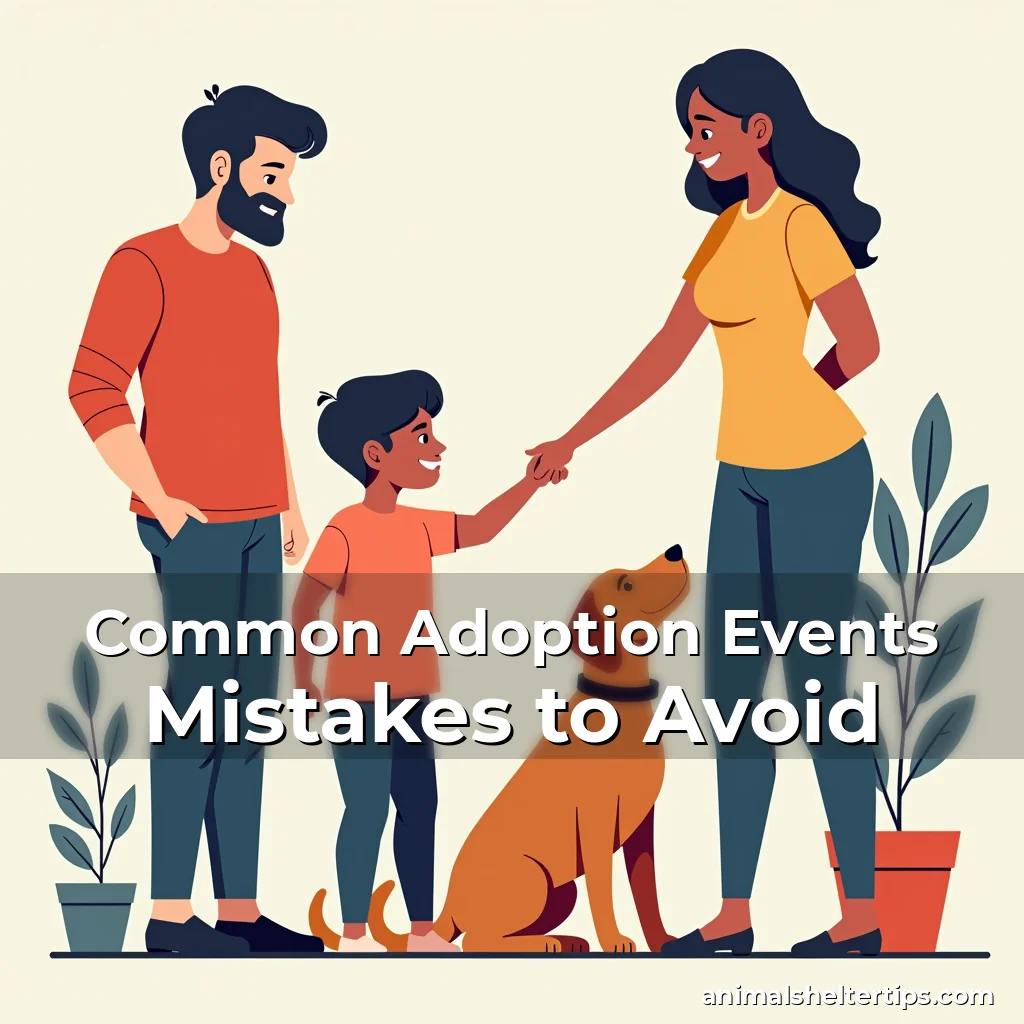
Common Adoption Events Mistakes to Avoid
Adopting an animal is a rewarding experience that can bring joy and companionship into your life. However, many people make common mistakes during adoption events that could lead to poor outcomes for both the pet and their new owner.
To ensure a successful adoption event, it’s crucial to understand what not to do. By avoiding these pitfalls, you increase the chances of finding a perfect match between pets and potential adopters.
The Importance of Preparation Beforehand
One of the most critical aspects of hosting or attending an adoption event is thorough preparation. Without adequate planning, even well-intentioned efforts may fall flat.
Organizers need to consider logistics such as venue setup, staffing requirements, and necessary supplies long before the event date. This includes arranging transportation for animals who might be traveling from different shelters.
Potential adopters also benefit greatly when they come prepared. Researching available pets beforehand allows them to prioritize which animals interest them most based on breed preferences or lifestyle compatibility.
- Know your budget: Understanding financial commitments ensures there are no surprises later regarding veterinary care costs or other expenses associated with pet ownership.
- Review local laws: Different regions have varying regulations concerning pet adoptions; being aware helps avoid legal issues down the line.
Failing to Screen Potential Adopters Properly
A significant mistake made by some shelters and rescue organizations involves inadequate screening processes for prospective adopters. Jumping at the first opportunity without thoroughly assessing suitability risks placing pets in unsuitable environments.
Effective screening requires evaluating factors beyond basic information provided by applicants. It’s essential to assess living conditions where pets will reside post-adoption carefully.
Carefully reviewing application forms provides insight into candidates’ lifestyles but shouldn’t be relied upon solely. Conducting interviews offers deeper understanding about individuals’ readiness level towards responsible pet ownership.
Checking references gives additional assurance about past behavior patterns related to animal handling responsibilities. These steps collectively contribute significantly toward making informed decisions about whom receive temporary guardianship over beloved creatures.
answer: local rescues respond to fiscal court's animal shelter blueprint.
Overlooking Behavioral Assessments During Events
Many adoption events overlook conducting behavioral assessments on participating animals prior to interactions with visitors. This oversight can result in mismatched pairings due lack knowledge about each pet’s temperament characteristics.
Including professional trainers alongside volunteers enhances ability accurately gauge reactions various stimuli present within crowded settings typical during such gatherings.
Assessing how dogs react around children, elderly persons, or other pets provides vital data points useful determining appropriate placements future homes.
Without knowing individual temperaments upfront, organizers risk exposing fragile personalities stressful situations leading anxiety issues later stages cohabitation period.
Mismanaging Animal Care During Transitions
Proper management of transition phases becomes especially important when moving animals from one location another—whether temporarily shelter premises event sites permanent residences newly adopted families.
Ensuring continuous access clean water food remains paramount throughout entire process. Sudden changes diet schedules cause gastrointestinal distress unless handled properly.
Monitoring stress levels closely enables early identification signs discomfort allowing timely interventions prevent escalation problems affecting overall health status.
Providing familiar items bedding toys facilitates smoother acclimation periods reducing likelihood rejection episodes resulting failed adoptions.
Ignoring Post-Adoption Support Systems
Neglecting post-adoption support systems represents another frequent error committed by those involved organizing facilitating these kinds activities. Successful transitions depend largely ongoing assistance received initial weeks following placement.
Establishing clear communication channels among all stakeholders—including adopted families former caretakers volunteer teams—ensures prompt resolution any arising concerns promptly addressed effectively.
Offering follow-up visits scheduled timelines allows direct observation progress integration new surroundings helping identify possible adjustment challenges sooner rather than later stage development cycle.
Creating resource libraries containing educational materials covering topics ranging nutrition training safety protocols empowers caregivers navigate complexities daily routines confidently.
Lack Of Transparency Regarding Pet Histories
Failure disclose complete histories relevant medical records behavioral traits exposes participants unnecessary risks potentially problematic scenarios ensuing relationships established afterward.
Honesty transparency builds trust foundation strong bonds formed between humans companion animals alike. Withholding information creates opportunities misunderstandings conflicts arise unexpectedly circumstances deemed unmanageable.
Sharing accurate details about vaccination statuses previous illnesses known allergies informs better decision-making regarding suitable matches considering particular needs capabilities respective parties involved.
Documenting incidents misbehaviors experienced past serves dual purpose: educating newcomers while aiding professionals determine optimal strategies addressing underlying causes appropriately.
Underestimating Long-Term Commitment Involvement
Adopting pet signifies lifelong commitment requiring dedication time energy resources invested maintaining quality life standards consistent manner throughout duration relationship exists together.
Expectations must align realistically expectations held regarding exercise requirements grooming habits socialization demands vary dramatically species breeds ages influencing day-to-day responsibilities significantly.
Planning ahead contingency measures prepares adequately unexpected events occur including emergencies illness injuries necessitating immediate action responses ensuring continuity wellbeing affected individuals regardless situations encountered.
Building networks supportive communities fosters environment encouragement sharing experiences learning lessons others navigating similar journeys simultaneously experiencing personal growth along path discovering true meaning connection formed through shared love responsibility caring lives entrusted protection nurture.
Conclusion
Avoiding these common mistakes contributes substantially enhancing success rates achieved via participation organized adoption events across globe annually celebrating countless happy endings stories created every year thanks collaborative efforts everyone involved.
By focusing attention eliminating errors identified above, we pave way brighter futures countless four-legged friends waiting find forever homes filled warmth security happiness promised partnership awaiting fulfillment mutual respect admiration lasting friendship built upon solid groundwork laid careful consideration taken prior proceeding forward confident steps embracing beautiful adventure awaits ahead.

news is a contributor at AnimalShelterTips. We are committed to providing well-researched, accurate, and valuable content to our readers.
You May Also Like


About the Author
news
Related Articles
Best Spay And Neuter Programs Tips and Strategies
June 7, 2026
Pet Rehabilitation: Essential Tools and Resources
June 6, 2026